
Cart

Your cart is empty

Continue shopping

Trending searches

Featured products

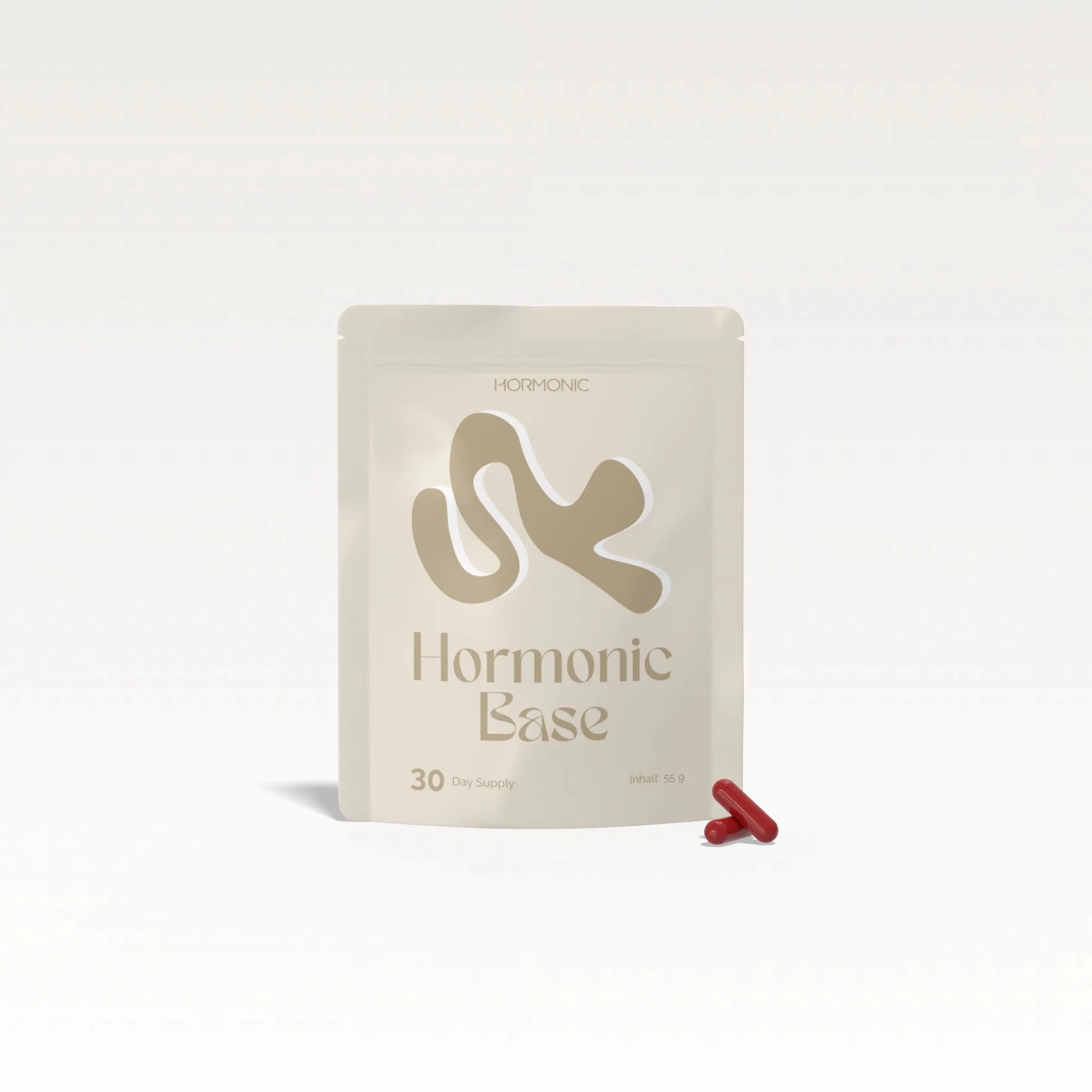
Hormonic Base Nahrungsergänzung mit 16 Mikronährstoffen
Sale price€65,00
(5.0)
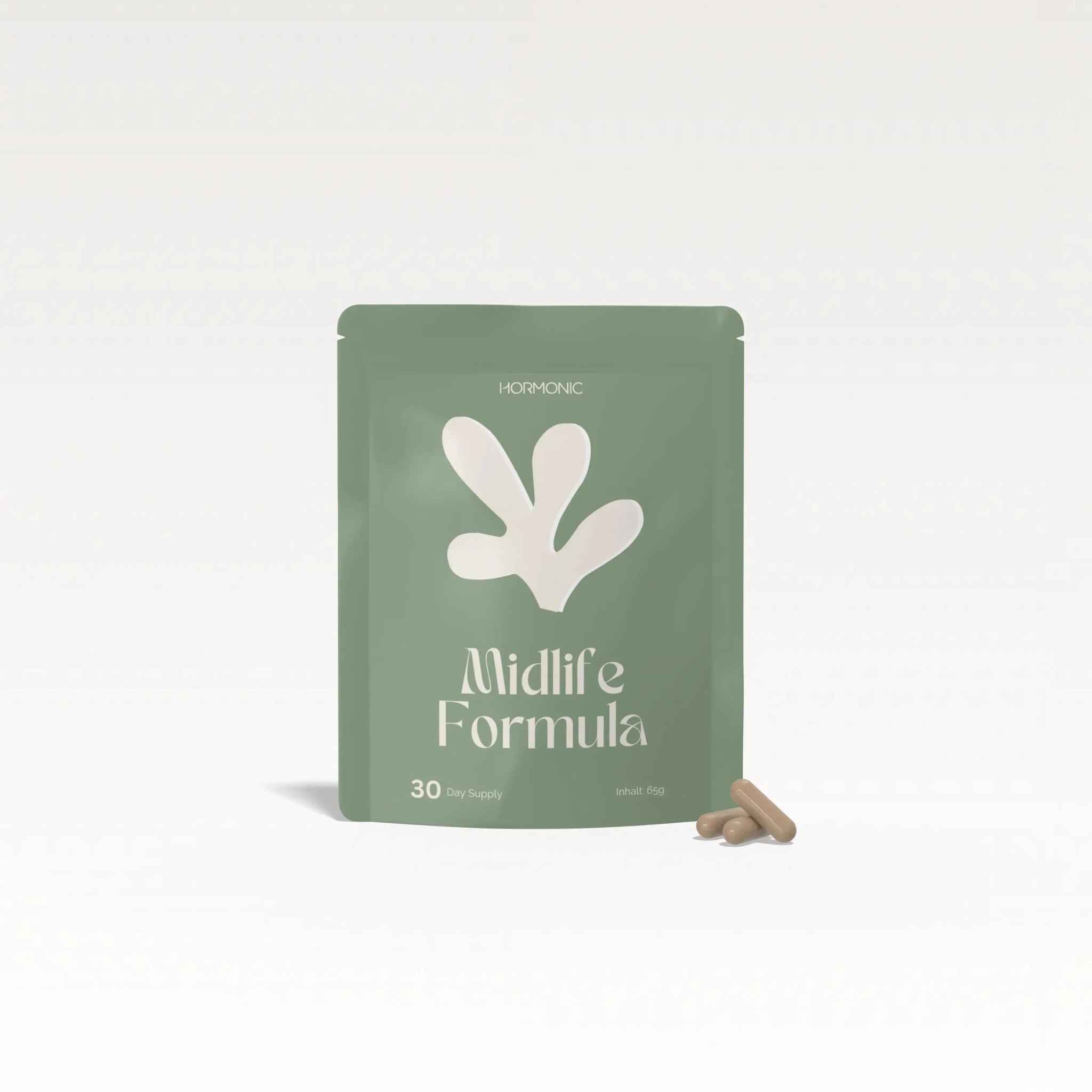
Hormonic Midlife Formula für die Perimenopause
Sale price€75,00
(5.0)
Junge Frau in heller Loungewear sitzt entspannt zu Hause, eine Hand ruht auf dem Unterbauch
ZyklusAug 12, 20268 min read

Water retention before your period: why you feel bloated

If your fingers, legs, or abdomen feel fuller right before your period and the scale suddenly shows one or two kilos more, it's almost always water retention, not new fat. This article honestly explains what's behind it, how much of it is normal, and what really helps.

The Most Important Points in Brief

  • Premenstrual water retention is part of the PMS spectrum and usually disappears within a few days of the start of bleeding.
  • One to two kilos more on the scale is almost always water, not fat, and therefore completely normal.
  • Honestly, the actual measurable amount of water is small, and part of the bloated feeling is sensation, not just fluid.
  • The most effective and well-supported methods are simple: less salt, exercise, and adequate hydration, plus magnesium with moderate evidence.
  • Unilateral or persistent swelling that does not disappear after your period should be medically investigated.

In my consultation room, women almost always describe it with the same words: A few days before their period, they feel bloated, their favorite jeans pinch, their rings feel tighter, and the scale shows more, even though nothing has changed with their eating habits. This is not a loss of control and certainly not your fault, but a cyclical process. I want to calmly and honestly explain to you what is happening in your body, how much of it is actually water, and what you can do effectively.

Water retention before menstruation is a typical part of premenstrual syndrome. It occurs in the second half of the cycle, is strongest in the days leading up to bleeding, and usually resolves on its own once the period begins. How the entire symptom complex associated with this phase is connected is explained in detail in our article on PMS.

Did you know?

In a large study over a full year, the feeling of water retention was strongest on the first day of bleeding, precisely when estrogen and progesterone are at their lowest. The perceived swelling and hormone levels do not correlate as neatly as often claimed.

What happens in the second half of the cycle

After ovulation, progesterone levels rise, and during this phase, the delicate system that controls your body's salt and water balance, called the renin-angiotensin-aldosterone system, changes. Simply put: Progesterone initially has a mild diuretic effect because it occupies the same receptor site in the kidney as the water-retaining hormone aldosterone. The body compensates by releasing more aldosterone, and it is precisely this counteraction that ultimately leads to slightly more salt and water being retained in the tissues.

Additionally, estrogen stimulates the production of certain messenger substances in the liver and pushes water balance in the same direction. This is the common explanation, and it is plausible. However, to be honest: The exact sequence is not definitively proven, and studies do not find a clear correlation between the severity of symptoms and hormone levels. For you, this primarily means: The pattern is hormonally regulated and thus explainable; it is not imagination or a sign that you are doing something wrong.

How much of it is normal, and what is actually water?

An honest look here is worthwhile, as the internet often sensationalizes. A premenstrual weight gain of about half to two kilograms is considered completely normal, and almost exclusively water, not fat, is behind it. That's precisely why it disappears again as soon as your period comes. However, if the body is measured precisely, the actual additional amount of water is surprisingly small, often only in the range of a few hundred grams in careful measurements, and some studies find no clear difference across the cycle at all.

It is also important to distinguish between two things that are often conflated in everyday life:

What you feel What's behind it
Swollen fingers, tight rings, puffy ankles real, mild water retention in the tissue, usually全身 and bilateral
Bloated, full abdomen often less water than suspected, but rather digestion, intestinal gas, and an altered perception of the abdomen

In other words, the famous pre-period bloated belly is often not primarily water at all, but a mixture of slower digestion and a more sensitive abdominal feeling. This is good news, as it takes away the dread of the topic and shows that a few simple adjustments often achieve more than any dehydration cure.
What really helps: Diet and everyday life

The most effective levers are unspectacular, but reliably proven. First and foremost is less saltin the days before your period, because salt binds water in the tissues. This primarily means cutting back on highly processed foods, ready meals, and salty snacks. At the same time, it helps to drink enough, even if that sounds contradictory at first: those who drink too little are more likely to signal to the body to retain water. Potassium-rich foods such as cucumber, tomato, banana, or leafy greens also gently counteract the salt.

Exercise is the most thoroughly researched in terms of symptoms. Even regular walks or light endurance training can generally alleviate PMS symptoms and stimulate lymph and blood circulation, which helps against the feeling of heaviness in the legs. It is better to limit caffeine and alcohol during this phase, even if the studies on this are scarce. If you are familiar with the feeling of struggling with cravings just before your period, you can find a separate article on cravings before your period.

Nutrients: Magnesium and Vitamin B6, honestly classified

Regarding nutrients, there is exactly one that has been specifically studied on this topic: Magnesium. In a small, controlled study, women took 200 milligrams of magnesium per day, and from the second month, typical water-related symptoms such as feelings of swelling, breast tenderness, and bloating improved more significantly than with a placebo. To be honest, the study was small, the effect only appeared after a few weeks, and it has not been widely confirmed since then. Magnesium is therefore a useful, gentle building block with moderate evidence, not a miracle cure. Magnesium also contributes to electrolyte balance and the normal functioning of the nervous system.

The second frequently mentioned nutrient is vitamin B6, which contributes to the regulation of hormonal activity and, in studies, can primarily alleviate psychological PMS symptoms. Here, a safety note is important to me, which many guides conceal: vitamin B6 should not be taken in high doses on your own. Permanently high amounts can damage the nerves, and the European authority EFSA has therefore set the tolerable daily amount very low. So, always stay within the range of sensible, moderate dosages. You can read more about this in the article on Vitamin B6 for PMS, and we explain in detail how a magnesium deficiencymanifests itself there.

Hormonic Base: A gentle foundation for your cycle

Two of the most well-researched nutrients for PMS are also found in Hormonic Base: magnesium and vitamin B6. Magnesium contributes to electrolyte balance and normal nervous system function, while vitamin B6 helps regulate hormonal activity. Base provides both in a moderate, doctor-approved dosage, along with 14 other micronutrients. Not a diuretic, but a calm daily foundation.

Discover Hormonic Base

Caution with dehydrating teas and water pills

Because the topic is so widespread, there is an entire market for dehydrating teas, detox cures, and over-the-counter water pills. Honestly, I advise against them. For classic herbal teas for dehydration, there are no robust studies showing a real benefit for premenstrual symptoms. Over-the-counter dehydrating pills can even backfire: They temporarily excrete water, the body reacts with an even stronger water retention reflex, and in the worst case, the mineral balance gets disrupted. The feeling of heaviness then often returns intensified.

There are indeed medical options, but these belong in the hands of a doctor. For severe, recurring symptoms, a doctor can, for example, prescribe a diuretic that specifically counteracts aldosterone. Some birth control pills also contain a progestin component with a similar, dehydrating effect and can alleviate symptoms. Whether and what suits you is decided together with your doctor, not by products from the shelf.

When you should seek medical clarification

Normal premenstrual water retention is mild, bilateral, linked to the cycle, and disappears after the period. However, you should be alerted by a one-sided swelling, such as only one swollen, perhaps painful leg, swelling that does not subside after the period or is not cycle-dependent at all, as well as sudden, severe swelling, swollen face, or shortness of breath. Underlying causes could be related to the heart, kidneys, thyroid, or veins, which should be clarified. This is rare but important enough to take seriously.

And if the physical symptoms are accompanied by severe emotional symptoms, i.e., pronounced irritability, depressed mood, or anxiety, which only occur in the second half of the cycle, a medical consultation is also worthwhile. Then a more pronounced form of premenstrual syndrome might be behind it. Unsure where you stand? In a free initial consultationone of our doctors will assess your situation without obligation.

Bloating before your period: what's behind it?

Do water retention issues return every cycle, or are you concerned about swelling? In a free 15-minute consultation, one of our doctors will assess your situation, with no obligation.

Secure your free initial consultation

Conclusion

Water retention before your period is a normal, cyclical process: in the second half of the cycle, the salt and water balance shifts, and the body retains slightly more fluid. One to two kilos more are almost always water and disappear after your period. However, it is also true that the actual measurable amount is small and a part of the bloated feeling is more a sensation than actual fluid.

The most effective, straightforward levers are: a little less salt, drinking enough, exercise, and, with moderate evidence, magnesium. On the other hand, you should stay away from diuretic teas and water pills from the shelf. And if a swelling is one-sided or does not disappear after your period, it is advisable to consult a doctor. With this knowledge, you can approach the bloated phase much more calmly.

Frequent questions about water retention before your period

Why do I retain water before my period?

Because the salt and water balance shifts in the second half of the cycle. Progesterone initially has a slightly diuretic effect, which the body compensates for with more aldosterone, and this counter-reaction leaves a little more salt and water in the tissues. The result is a fuller, bloated feeling that usually disappears on its own after the start of bleeding.

Is it normal to gain one to two kilos before your period?

Yes, that is completely normal. A premenstrual increase of about half a kilogram to two kilograms is almost always water and not fat. That's why your weight returns to its starting level a few days after your period begins. It's no cause for concern and no sign that you've done anything wrong.

Was hilft schnell gegen Wassereinlagerungen vor der Periode?
Am besten belegt sind einfache Maßnahmen: weniger Salz und verarbeitete Lebensmittel, ausreichend trinken, kaliumreiche Lebensmittel wie Gurke oder Banane und regelmäßige Bewegung. Magnesium hat in einer kleinen Studie geholfen, allerdings erst nach einigen Wochen. Von Entwässerungstees und frei verkäuflichen Wassertabletten ist eher abzuraten, weil sie den Wasserhaushalt durcheinanderbringen können. Ein echter Soforteffekt ist unrealistisch, meist bessert es sich mit dem Einsetzen der Periode von selbst.
Wann sind Wassereinlagerungen ein Fall für die Ärztin?
Wenn die Schwellung einseitig ist, etwa nur ein Bein betrifft und vielleicht schmerzt, wenn sie nach der Periode nicht verschwindet oder gar nicht zyklusabhängig ist, oder wenn plötzlich starke Schwellungen, ein geschwollenes Gesicht oder Atemnot auftreten. Dann sollten Ursachen an Herz, Nieren, Schilddrüse oder Venen ausgeschlossen werden. Auch bei starken seelischen Beschwerden in der zweiten Zyklushälfte lohnt sich ein ärztliches Gespräch.

Scientific Sources

  • White, C. P. et al. (2011). Fluid Retention over the Menstrual Cycle: 1-Year Data from the Prospective Ovulation Cohort. Obstet Gynecol Int, 2011, 138451. doi:10.1155/2011/138451
  • Walker, A. F. et al. (1998). Magnesium supplementation alleviates premenstrual symptoms of fluid retention. J Womens Health, 7(9), 1157-1165. doi:10.1089/jwh.1998.7.1157
  • De Souza, M. C. et al. (2000). A synergistic effect of a daily supplement of magnesium plus vitamin B6 for premenstrual symptoms. J Womens Health Gend Based Med, 9(2), 131-139.
  • Wyatt, K. M. et al. (1999). Efficacy of vitamin B6 in the treatment of premenstrual syndrome: systematic review. BMJ, 318(7195), 1375-1381.
  • EFSA NDA Panel (2023). Scientific opinion on the tolerable upper intake level for vitamin B6. EFSA Journal, 21(5), e08006. doi:10.2903/j.efsa.2023.8006
  • Rosenfeld, R. et al. (2008). Hormonal and Volume Dysregulation in Women With Premenstrual Syndrome. Hypertension, 51(4), 1225-1230. doi:10.1161/HYPERTENSIONAHA.107.107136
  • Kanellakis, S. et al. (2023). Changes in body weight and body composition during the menstrual cycle. Am J Hum Biol, 35(11), e23951. doi:10.1002/ajhb.23951
  • Ma, S., Song, S. J. (2023). Oral contraceptives containing drospirenone for premenstrual syndrome. Cochrane Database Syst Rev, 6, CD006586. doi:10.1002/14651858.CD006586.pub5
  • Regulation (EU) No 432/2012; EFSA Journal 2009;7(9):1216 (Magnesium, electrolyte balance) and 1225 (Vitamin B6, regulation of hormonal activity).

About the Author

Lisa Maria Emmer

Lisa Maria Emmer

Founder · Physician · Hormonic

Lisa Maria Emmer is co-founder and medical director at Hormonic. She supports women with hormonal problems every day and specializes in cycle health, PCOS, and menopause.

Note: This article is based on current guidelines and scientific work (as of 2026). It is for informational purposes only and does not replace medical advice, diagnosis, or treatment.

Share

You might also be interested in this.

Frau mit PMS und Wärmflasche
ZyklusMay 27, 20269 min read
Causes, symptoms and treatment options for PMS

From symptoms to the real causes and treatment: the evidence-based overview of PMS, including the remedies with the best scientific evidence.
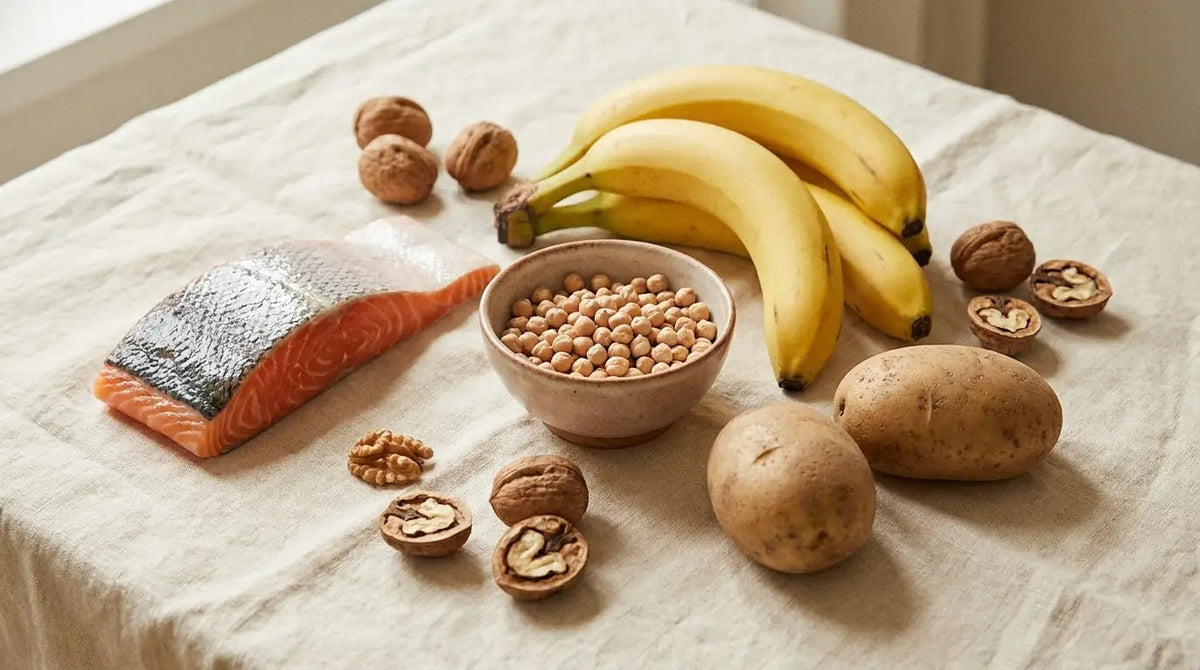
Vitamin-B6-reiche Lebensmittel wie Lachs, Bananen, Kichererbsen und Nüsse
ZyklusJul 10, 20267 min read
Vitamin B6 for PMS: Effects, Dosage, and Hormones

Can vitamin B6 relieve PMS? What studies show, how B6 affects hormones and mood, and what dosage is safe.
Magnesiummangel bei Frauen: Symptome und was wirklich hilft
MikronährstoffeJun 27, 20268 min read
Magnesium Deficiency in Women: Symptoms and What Really Helps

Fatigue, PMS, poor sleep: Magnesium deficiency in women is often overlooked. Symptoms, studies, and what really helps.