


Cart

Your cart is empty

Continue shopping

Trending searches

Featured products

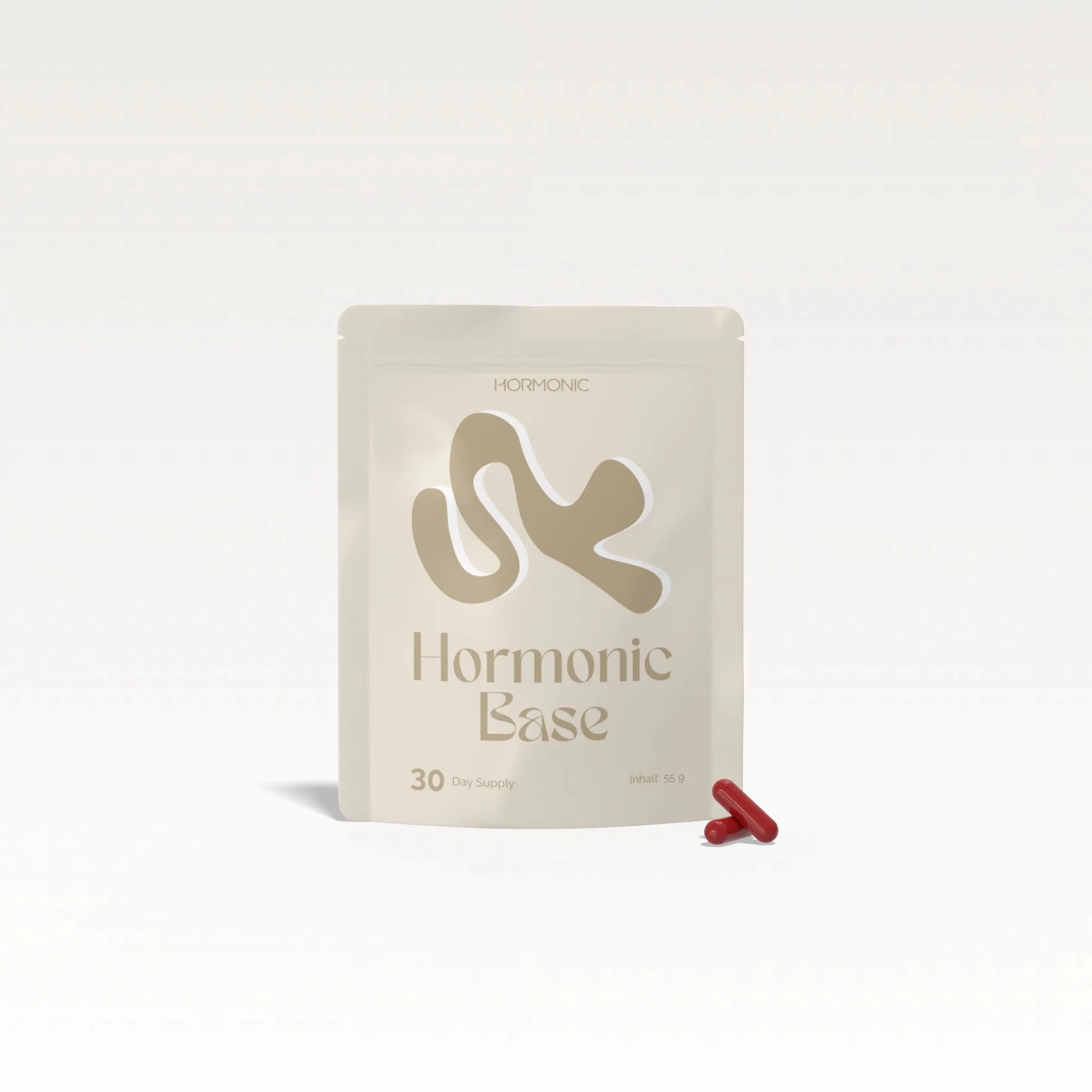
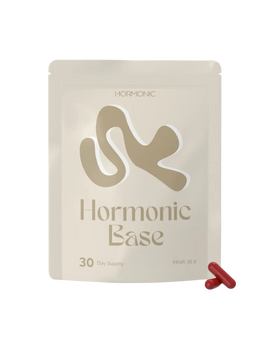
Hormonic Base - Hormonic - Nahrungsergänzungsmittel
Sale price€65,00
(5.0)
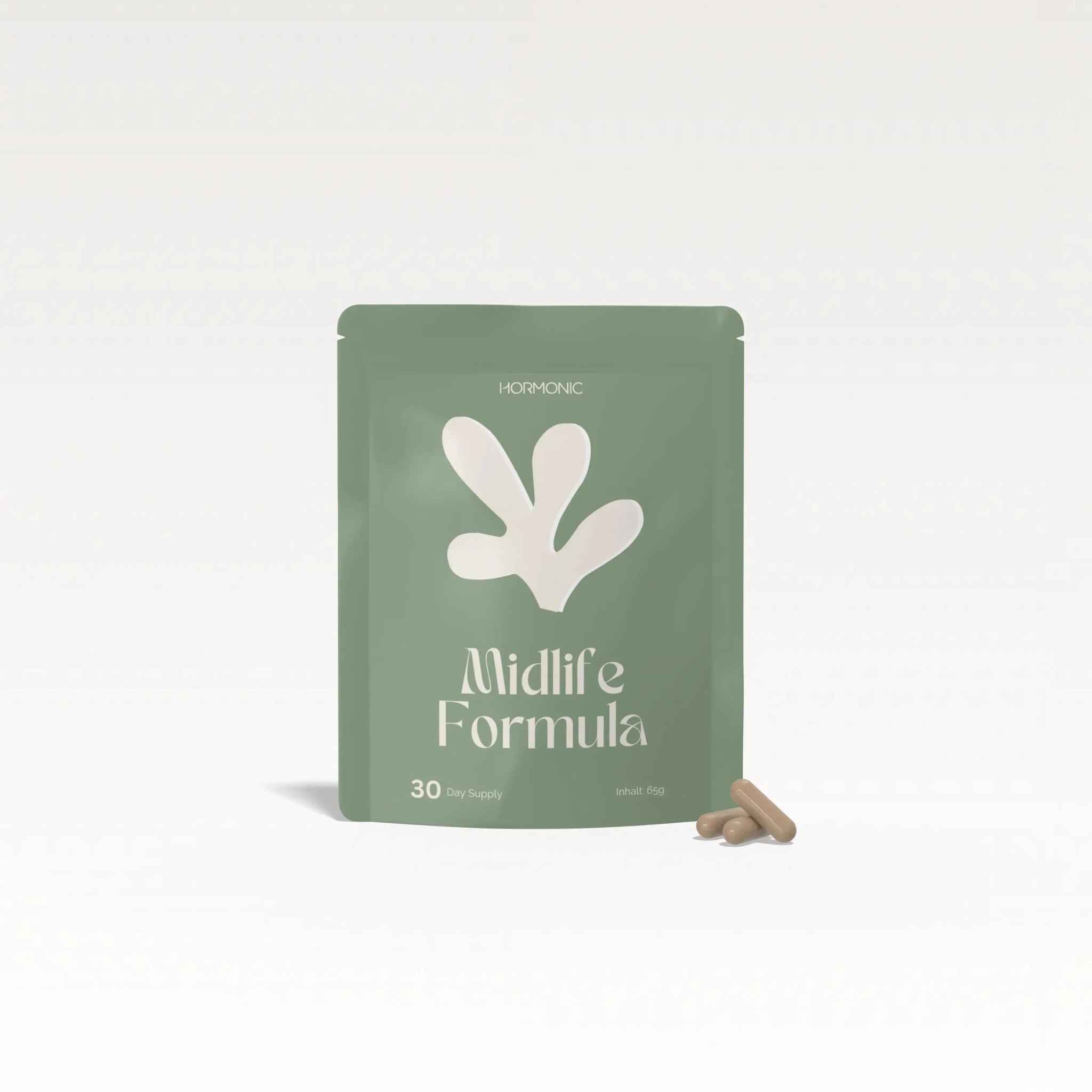
Midlife Formula - Hormonic - Nahrungsergänzungsmittel
Sale price€75,00
(5.0)
Folsäure bei Kinderwunsch: Wann, wie viel und warum - Hormonic
Aug 5, 20267 min read

Folic Acid When Trying to Conceive: When, How Much, and Why

This article is part of: Fertility Boost: How Nutrition and Supplements Can Improve the Chances of Getting Pregnant
Brief Definition

Folate is a B vitamin (B9) that the body needs for cell division and the earliest development of the child, among other things. Folic acid is the synthetic, particularly well-researched form found in dietary supplements. Adequate folate is important when trying to conceive because the embryo's neural tube closes in the very first weeks of pregnancy – often before a woman even knows she is pregnant.

Key Takeaways
  • Professional societies recommend folic acid supplementation in addition to a folate-rich diet when trying to conceive.
  • Ideally, start at least 4 weeks before conception and continue until the end of the 1st trimester (approx. week 12).
  • The reason is the early development of the neural tube, which closes around day 21 to 28 – often before a positive pregnancy test.
  • Evidence for the prevention of neural tube defects is primarily based on folic acid; methylfolate (5-MTHF) is a possible alternative.
  • A MTHFR gene test is not routinely recommended by guidelines.
  • Higher doses (3–5 mg) are only intended after medical recommendation for increased risk – never self-medicate.

As a doctor, I'm rarely asked about a single nutrient as often as when discussing fertility – and it's almost always about folic acid. The good news: the science here is unusually clear, and the most important measure is also one of the simplest.

At the same time, many half-truths circulate – from panic about genetic tests to the idea that folic acid makes you "more fertile". In this article, I will explain what is truly substantiated, when and how much you should take, and where I, as a doctor, advise caution.

When and how much folic acid when trying to conceive?

The short answer: 400 µg of folic acid per day, ideally starting at least 4 weeks before planned conception and continuing until the end of the first trimester (around week 12 of pregnancy). This recommendation applies to healthy women with uncomplicated fertility wishes and aligns with the recommendations of German professional societies. So, if you're stopping birth control or actively planning, it's best to start before it "happens" – because the crucial weeks are at the very beginning of pregnancy.

Question Answer
When to start? At least 4 weeks before planned conception, or sooner if actively trying to conceive.
How much? 400 µg of folic acid per day in addition to diet.
How long? Until the end of the 1st trimester (approx. week 12 of pregnancy).
Which form? Folic acid is best studied; methylfolate (5-MTHF) is an alternative.
Diet Leafy greens, legumes, and broccoli provide folate – a supplement is additionally recommended.
Did you know?

The neural tube – the precursor to the brain and spinal cord – closes around day 21 to 28 after fertilization. This is often before a woman even knows she is pregnant. This is precisely why the recommendation starts before conception: so that folate stores are full when it matters most.
Why folate is so important before pregnancy

Crucial developments occur in the first weeks after conception: a flat cell plate forms the neural tube, which later develops into the brain and spinal cord. If this tube does not close completely, neural tube defects such as spina bifida ("open back") can occur. For the rapid cell division in this phase, the body needs sufficient folate.

Several landmark studies have shown how important sufficient folate is in this context. The MRC Vitamin Studyfrom 1991 found a risk reduction of around 72 percent in women with a previous neural tube defect pregnancy when periconceptional folic acid was used. A Cochrane review (De-Regil et al., 2015) later summarized the data with a relative risk of 0.31 for neural tube defects. Studies thus showed a consistent correlation across various populations.

As a doctor, it is important for me to classify this: These are scientific findings on the early development of the child – not a promise that a single product can make. They explain why adequate folate intake before conception is so important.

Folate, Folic Acid or Methylfolate?

Three terms that are often confused. Folateis the umbrella term for the B vitamin naturally found in food. Folic acidis the synthetic, stable form found in most supplements – and the form with which practically all major landmark studies were conducted. It is therefore the best studied.

5-MTHF or Methylfolateis the already activated form of folate that the body no longer needs to convert. It is considered a legitimate alternative and is often promoted, especially in connection with the MTHFR gene.

A frank word on this: The MTHFR gene influences how efficiently the body converts folic acid. However, routine MTHFR gene testing is not recommended by guidelinesand generally does not change the standard recommendation. Methylfolate is a possible alternative, but not a must; and the reliable evidence for the prevention of neural tube defects was built with folic acid. There is no reason for panic or expensive genetic tests on your own here.

Hormonic Base: Folate and Zinc for Your Foundation

Hormonic Base provides 16 active ingredients, including folate and zinc. Folate contributes to maternal tissue growth during pregnancy, and zinc contributes to normal fertility and reproduction. It serves as a micronutrient base for those planning a pregnancy.

Strengthening the foundation

Dosage, timing and nutrition

For the vast majority of women, the standard is: 200–400 µg of folic acid per day, started at least 4 weeks before conception and continued until the end of the 12th week of pregnancy. This dose is well-documented and safe.

Higher doses of 4 to 5 mg per day are intended exclusively for certain risk situations and only on medical advice, for example:

  • a previous pregnancy with a neural tube defect
  • diabetes mellitus
  • taking certain medications (such as some anti-epileptics)

With such milligram doses, please never self-dose, but always have it clarified by a doctor. On your plate, leafy greens, legumes and broccoli are the main sources of folate. Even so, a supplement is additionally recommended: natural folate is sensitive to heat and storage, and diet alone can hardly ensure the targeted, reliable intake during the crucial time window.

Folate isn't everything – and it's no fertility booster

Let me clear up a misconception here: folic acid is about the earliest development of the child and the prevention of neural tube defects – not about making you more fertile. The evidence on folate and fertility or miscarriage risk is largely observational and inconsistent. So if you want to become pregnant, think of folic acid as protection for early development, not as a fertility pill.

Beyond that, your overall micronutrient supply also plays a role around conception. Hormonic Base provides 16 micronutrients, including folate and zinc, as a daily foundation. According to approved EFSA claims, folate contributes to the growth of maternal tissue during pregnancy, and zinc contributes to normal fertility and reproduction – a solid basic supply around trying to conceive.

One honest note stays important: Base is a daily foundation that thousands of women swear by, but it does not replace a specifically dosed 400 µg folic acid supplement where that is medically recommended. If you'd like extra support for your cycle, you'll find myo-inositol and zinc in Cycle+ Formula – a scientifically grounded, expert-developed supplement.

Not sure what makes sense for you? In a free 15-minute intro call, our wellness team will help make sense of your questions. For a broader overview, see our article on nutrients when trying to conceive.

Questions about trying to conceive?

In a free 15-minute intro call, our wellness team will make sense of all your questions, with no obligation. Conveniently from home, with no annoying waiting times.

For a free consultation

Conclusion

When it comes to fertility, folic acid is one of the few points where science is clear and implementation is simple: 200-400µg per day, starting at least 4 weeks before conception until the end of the first trimester. This is about the earliest development of the child, not increased fertility – and higher doses belong in a doctor's hands. Those who start early, combine a folate-rich diet with a suitable supplement, and seek guidance when in doubt are making one of the most sensible preparations possible.

Scientific Sources

  • MRC Vitamin Study Research Group (1991). Prevention of neural tube defects: results of the Medical Research Council Vitamin Study. Lancet, 338(8760), 131-137. PMID: 1677062
  • De-Regil, L. M. et al. (2015). Effects and safety of periconceptional oral folate supplementation for preventing birth defects. Cochrane Database of Systematic Reviews, 12, CD007950. doi:10.1002/14651858.CD007950.pub3
  • Czeizel, A. E. & Dudás, I. (1992). Prevention of the first occurrence of neural-tube defects by periconceptional vitamin supplementation. New England Journal of Medicine, 327(26), 1832-1835. PMID: 1307234
  • EFSA NDA Panel (2009). Scientific Opinion on the substantiation of health claims related to folate. EFSA Journal, 7(9), 1213.
  • Gesund ins Leben / DGE Network (2018). Recommendations for action: Nutrition before and during pregnancy - 400 µg folic acid/day from at least 4 weeks before conception until the end of the 1st trimester.
  • World Health Organization (2015). Periconceptional folic acid supplementation to prevent neural tube defects.

About the Author

Lisa Maria Emmer

Lisa Maria Emmer

Founder · Physician · Hormonic

Lisa Maria Emmer is the founder and a doctor at Hormonic. She combines medical knowledge with an honest, everyday perspective on women's health and values presenting scientific evidence clearly and without exaggeration.

Note: This article is based on current guidelines and scientific work (as of 2026). It is for informational purposes only and does not replace medical advice, diagnosis, or treatment.

Share

You might also be interested in this.

Nährstoffe in der Schwangerschaft: Was Du wirklich brauchst - Hormonic
FruchtbarkeitJul 24, 20267 min read
Nutrients in Pregnancy: What You Really Need

Folic acid, iodine, DHA, and iron: Which nutrients really matter during pregnancy, what you should supplement, and what you should avoid, medically explained.

Eizellqualität verbessern: Was wirklich funktioniert - Hormonic
FruchtbarkeitOct 24, 20248 min read
Improve Egg Quality: What Really Works

The quality of your eggs is one of the most important factors for fertility and directly impacts the chances of a successful pregnancy. Women are born with a limited egg reserve – around 1 to 2 mil...

Fehlende Nährstoffe bei Unfruchtbarkeit – was sagt die Forschung? - Hormonic
FruchtbarkeitMar 25, 20267 min read
Nutrient Deficiencies in Infertility – What Does Research Say?

Which micronutrients are most commonly deficient in women with infertility? The NHANES 2026 analysis provides clear data – we explain what it really means.