

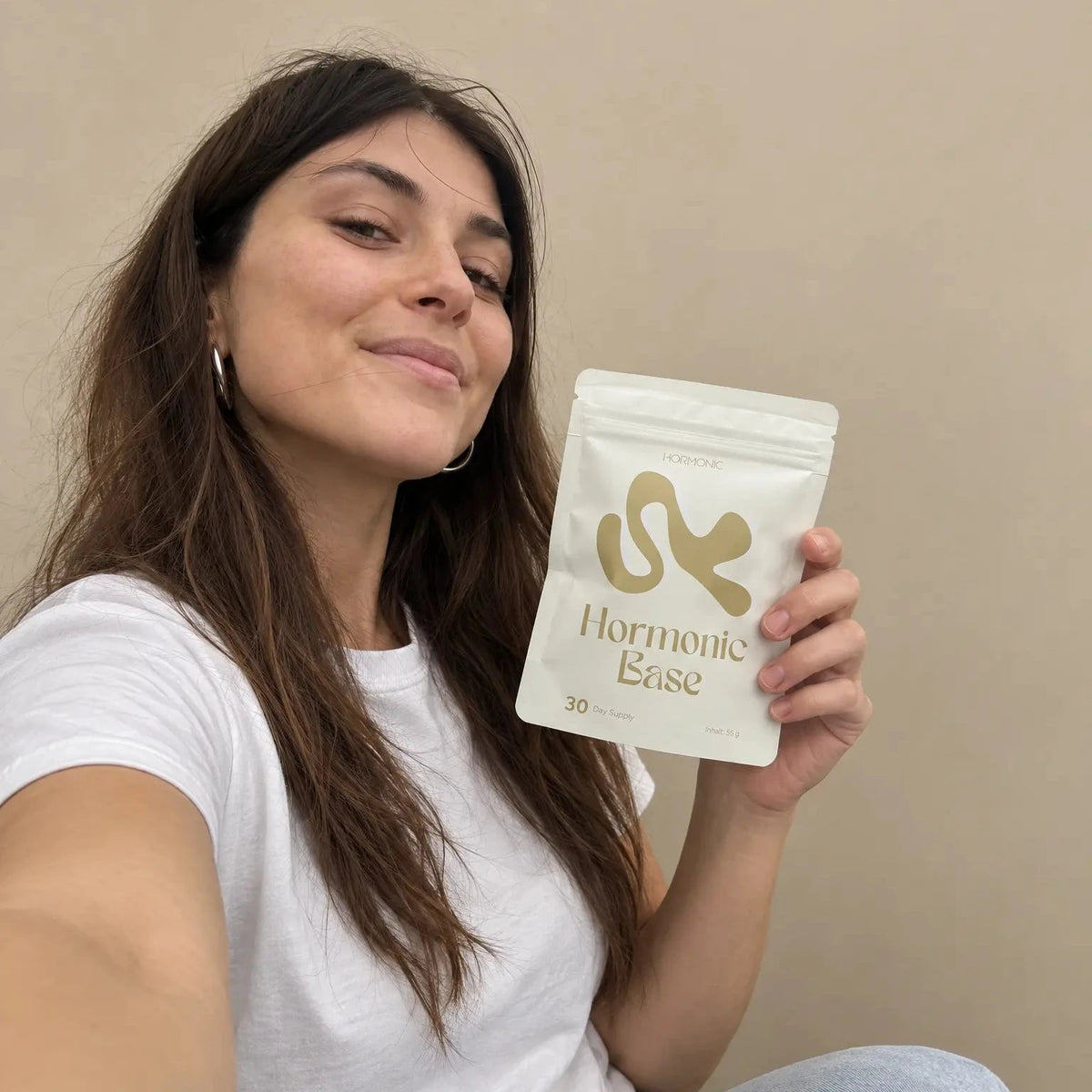

When more hair suddenly appears in the brush and the parting looks wider during menopause, it's a shock for many women. This article explains why this is related to hormones, what you should have checked first, and what really helps, honestly and without false promises.
The Most Important Points in Brief
- During menopause, estrogen, which protects hair, decreases, and androgenic influences become more prominent. The result is often a thinning parting.
- Before you attribute it solely to hormones, iron, thyroid, and vitamin D levels should be checked, as these causes are treatable.
- Topically applied minoxidil is the best-documented treatment. It takes months and must be used continuously.
- Zinc and selenium contribute to the maintenance of normal hair. Biotin, on the other hand, only helps with hair loss if there is a genuine deficiency and can falsify blood tests.
- No dietary supplement treats hair loss. Sudden, circular, or scarring hair loss should be promptly checked by a dermatologist.
Last week, I spent a lot of time researching this topic because my mother has been severely affected by thinning hair since the beginning of menopause. She is not alone. Studies show that over half of women experience thinning hair after menopause. This is not imagination or a reason for shame, but a hormonal process that can be understood and addressed. Here, I want to honestly explain what's behind it, what should be checked first, and which remedies actually work, instead of just being expensive.
Did You Know?
The often-recommended biotin only helps with hair loss if there is a genuine, rare deficiency. In high doses, it can even falsify blood tests, such as the heart attack marker troponin or thyroid values. It doesn't make more hair with normal intake.
Why Hair Thins During Menopause
The core issue is hormonal. During the fertile years, estrogen protects hair by extending its growth phase. During menopause, estrogen levels drop significantly, while male hormones, androgens, become relatively more prominent. In sensitive hair follicles, this leads to hair becoming finer and growing back more slowly. Clinically, this is referred to as female pattern hair loss. However, honestly, the exact process in human hair is not yet fully understood, and usually several causes act together.
It's important to distinguish between two patterns, as they progress differently:
| Female Pattern Hair Loss | Diffuse Hair Loss (Telogen Effluvium) |
|---|---|
| slow, over months to years | sudden, usually two to three months after a trigger |
| thinning at the parting, widening mid-parting, hairline remains | even thinning all over the head |
| chronic, requires continuous treatment | mostly reversible once the trigger is gone |
Often, both overlap: on top of hormonally-induced thinning hair, there is an additional diffuse shedding episode, for example, due to stress, a diet, or a nutrient deficiency. This is precisely why it's worth looking at treatable causes. You can find a detailed overview of all forms in our article on Hair Loss in Women.
What You Should Have Checked First
Before you attribute hair loss solely to menopause, a few treatable causes should be ruled out, as they can often be easily remedied. A blood test including iron storage (ferritin), thyroid values, and vitamin D is advisable. Iron deficiency is common, especially in perimenopause with still heavy bleeding, an overactive or underactive thyroid can trigger diffuse hair loss, and a significant vitamin D deficiency is also associated with it.
To be honest: much is made of fixed limits for iron levels, such as ferritin above 40 or 70. However, these numbers are not supported by high-quality studies but are more empirical values. It makes sense to correct a genuine deficiency, not to chase a specific target value. The point remains: first check, then act purposefully.
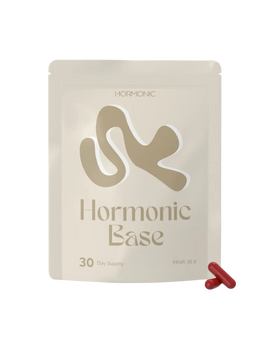
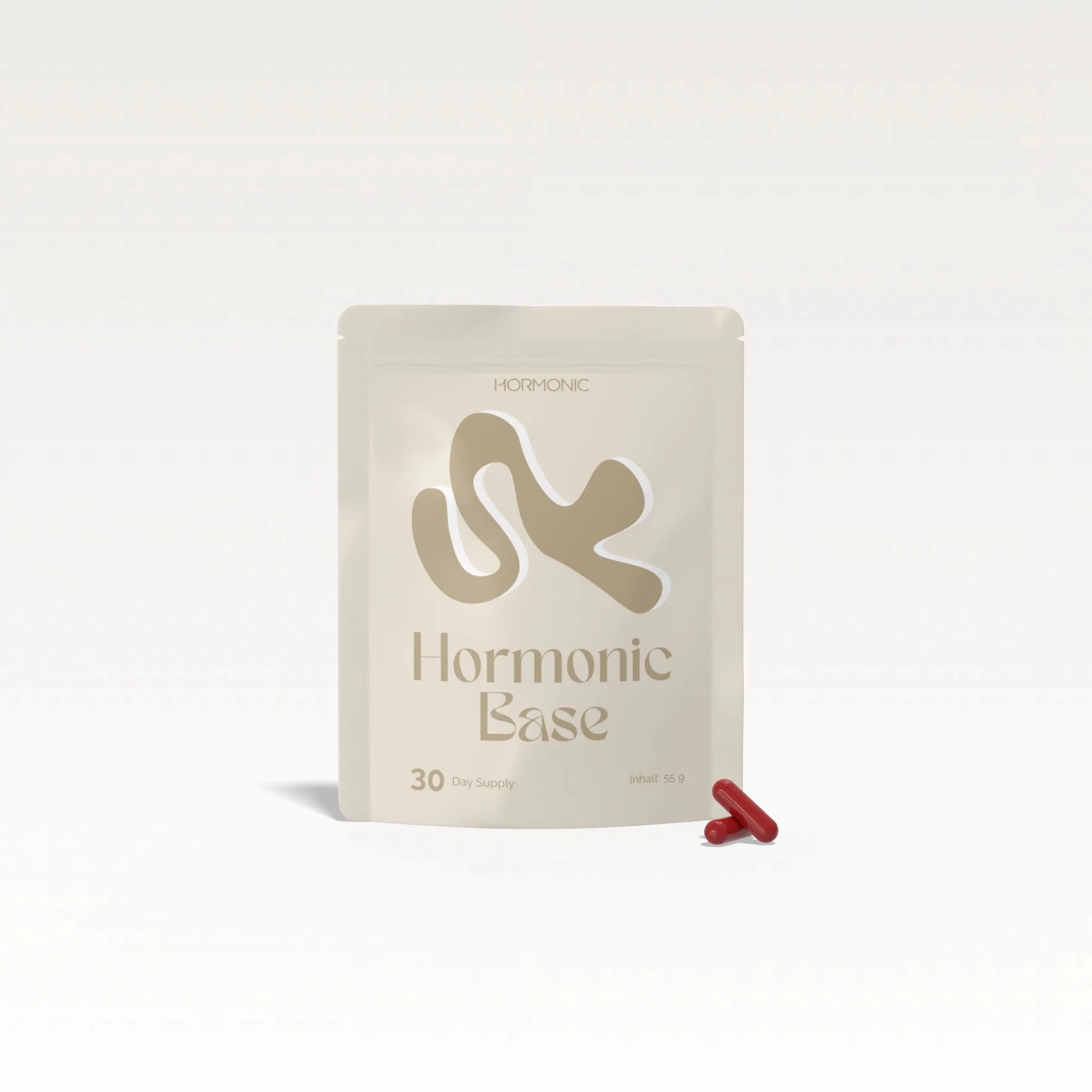
Hormonic Base: Zinc and selenium for your hair
Hormonic Base also contains two nutrients that contribute to the maintenance of hair: zinc and selenium. Both are included in a clinically substantiated amount. We deliberately forgo biotin megadoses because they offer no benefit with normal intake and can falsify blood tests. Doctor-developed and loved by thousands of women.
€65,00
Unsure what's behind your hair loss?
Thinning hair in menopause, but unsure why? In a free 15-minute consultation, one of our doctors will assess your situation, completely without obligation.
Frequent Questions About Hair Loss During Menopause
Why do I experience hair loss during menopause?
What truly helps with hair loss during menopause?
Hilft Biotin gegen Haarausfall?
Welche Blutwerte sollte ich bei Haarausfall prüfen lassen?
Scientific Sources
- Chaikittisilpa, S. et al. (2022). Prevalence of female pattern hair loss in postmenopausal women. Menopause, 29(4), 415-420. PMID: 35357365
- Carmina, E. et al. (2019). Female Pattern Hair Loss and Androgen Excess (AE-PCOS Society). J Clin Endocrinol Metab, 104(7), 2875-2891. doi:10.1210/jc.2018-02548
- Lucky, A. W. et al. (2004). A randomized, placebo-controlled trial of 5% and 2% topical minoxidil in female pattern hair loss. J Am Acad Dermatol, 50(4), 541-553.
- Kanti, V. et al. (2018). Evidence-based (S3) guideline for the treatment of androgenetic alopecia in women and men. JEADV.
- Trost, L. B., Bergfeld, W. F., Calogeras, E. (2006). Iron deficiency and its potential relationship to hair loss. J Am Acad Dermatol, 54(5), 824-844.
- Iron Deficiency and Nonscarring Alopecia in Women: Systematic Review and Meta-Analysis (2022). PMC8928181.
- Update on Biotin Therapy in Dermatology: Time for a Change. J Drugs Dermatol.
- U.S. FDA (2019). Biotin Interference with Troponin Lab Tests: Safety Communication.
- Regulation (EU) No 432/2012; EFSA Journal 2010;8(10):1819 (Zinc, maintenance of normal hair) and Selenium, maintenance of normal hair.
- Civas, E. et al. (2024). Selenium as a probable cause of hair loss. J Cosmet Dermatol. doi:10.1111/jocd.15902
About the Author

You might also be interested in this.

Why women lose hair, what's behind diffuse hair loss, and which measures are scientifically proven. Medically reviewed overview of causes, the hair cycle, and the most important nutrients.
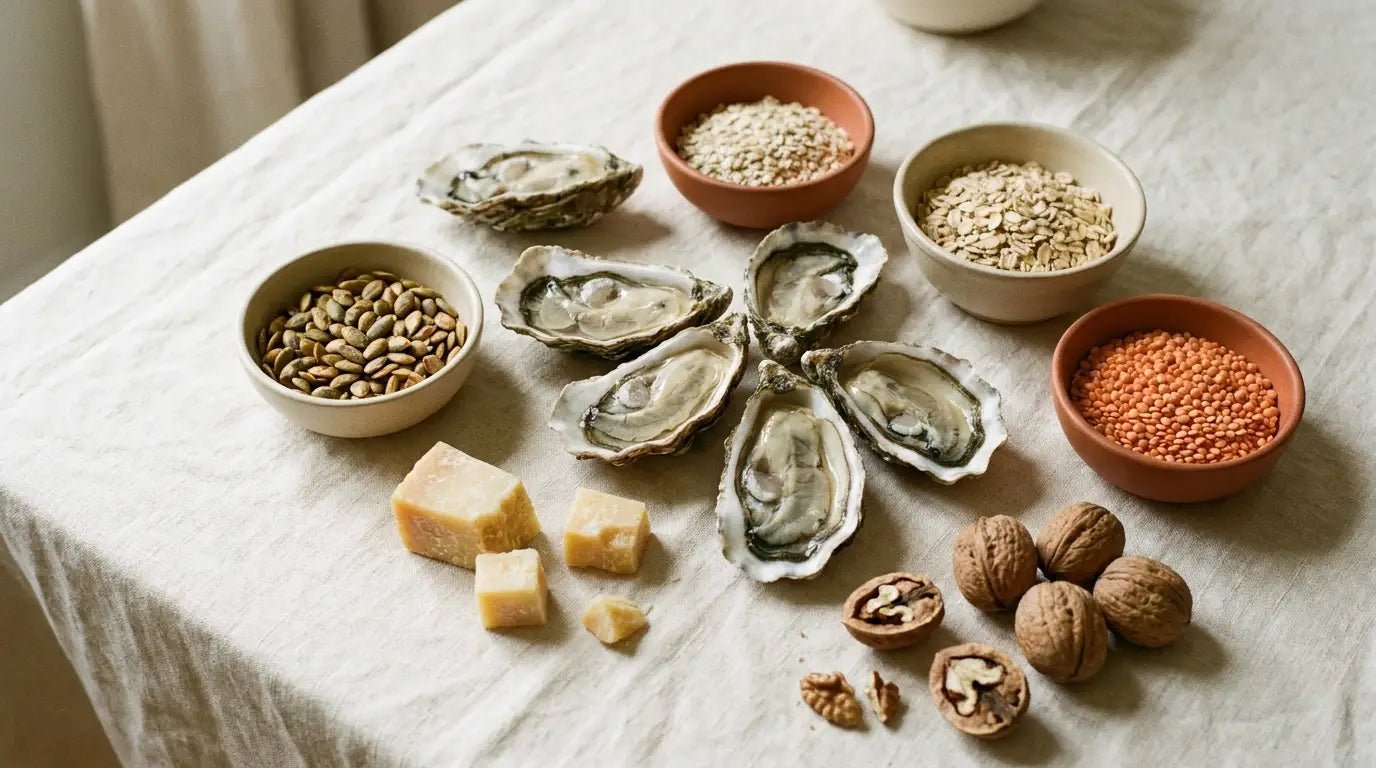
Zinc influences cycle, skin, thyroid, and fertility. What zinc deficiency means for women, what studies show, and how you can meet your needs.

Fatigue, weight gain, menstrual irregularities: We classify the symptoms of hypothyroidism in women and show what diagnostics and nutrition can achieve.