🖤 Black WeeksPick 3 · save 30 %Pick 6 · save 60 %Automatic, no codeFor a limited time only🖤 Black WeeksPick 3 · save 30 %Pick 6 · save 60 %Automatic, no codeFor a limited time only🖤 Black WeeksPick 3 · save 30 %Pick 6 · save 60 %Automatic, no codeFor a limited time only

Cart

Your cart is empty

Continue shopping

Trending searches

Featured products

Hormonic Base - Hormonic - Nahrungsergänzungsmittel
Sale price€65,00
(5.0)
Midlife Formula - Hormonic - Nahrungsergänzungsmittel
Sale price€75,00
(5.0)
Hormonelle Akne von innen bekämpfen: Wirkstoffe, Ernährung und was die Studien zeigen - Hormonic
ErnährungSep 20, 20269 min read

Nutrition for hormonal acne: What really works from within

There is a number that appears in no guidebook on hormonal acne. In the most cited nutritional study on acne, 100 percent of the participants were men. In the second largest, 24 out of 32 participants were male. So, for twenty years, we have been discussing what helps adult women with hormonal acne, while relying almost entirely on data from male adolescents.

That does not mean that nothing works. It means that you should know which recommendations are based on what foundation. That is exactly what this is about: not another list of ten miracle cures, but the question of what the studies actually reveal when you look them up.

In a nutshell: Hormonal acne is defined as blemishes that follow the menstrual cycle and typically appear on the chin, jawline, and neck. If it occurs after the age of 25, the technical term is acne tarda, or adult-onset acne. It is not a teenage problem that has lingered too long, but a distinct pattern of its own.

The most important points in brief

  • The best-supported internal lever is not a supplement, but the glycemic load of your meals. It is the only approach with a mechanism visible in skin biopsies: smaller sebaceous glands.
  • Zinc has the largest database of all nutrients and is the only one with an approved claim regarding the skin. To be honest about it: in a direct comparison with an antibiotic, it had a treatment success rate of 31.2 versus 63.4 percent.
  • In the analysis of 78,529 people, skim milk performed worse than whole milk. This aligns with the IGF-1 hypothesis and argues against a purely fat-based explanation.
  • Chasteberry (Vitex) has zero studies on acne. Not a single one. Its entire promotion is based on an analogy.
  • For topical treatment, benzoyl peroxide 2.5 percent is the only over-the-counter active ingredient with a strong recommendation in both major clinical guidelines. And 2.5 percent works just as well as 10 percent, but is less irritating.

We have written in detail about why hormonal acne develops in the first place, which hormones are behind it, and how you can distinguish it from other forms of acne in a separate article: Hormonal acne in women: Causes and what really helps. This article focuses exclusively on what you can do.

From the inside: what the data really shows

This table is the core of this article. For every popular approach, it shows the best available study and the results it produced. Not what is written on the packaging.

Approach Best study Result Reliability
Lowering glycemic load RCT, 32 people, 10 weeks (Kwon 2012) 29.1 percent fewer inflammatory lesions. Additionally, smaller sebaceous glands and less IL-8 in skin biopsies Two positive RCTs, one null study. Best evidence for a mechanism
Zinc, 30 mg RCT, 332 people, 3 months (Dréno 2001) 31.2 percent success compared to 63.4 percent with minocycline Largest database. Effect is real, but moderate
Less milk Meta-analysis, 78,529 people (Juhl 2018) Skim milk OR 1.32, whole milk OR 1.22, with clear dose-response relationship Observational data only, publication bias confirmed
Vitamin D for deficiency RCT, 39 people, 8 weeks (Lim 2016) 34.6 percent fewer inflammatory lesions compared to 5.8 percent with placebo Small, but randomized and blinded. Only applies if a deficiency is confirmed
Omega-3 RCT, 45 people, 10 weeks (Jung 2014) Inflammatory lesions decreased from 10.1 to 5.8 A single true RCT, plus one null study. No meta-analysis
Myo-Inositol Umbrella Review (Duan 2026) Testosterone measurably lowered. Acne was not measured as an endpoint Solid for hormones, inconclusive for skin
Spearmint tea RCT, 41 women, 30 days (Grant 2010) Testosterone lowered. The only objective skin parameter showed no difference Acne was not measured in either study
Probiotics Meta-analysis, 227 people (Mohamed 2025) Inflammatory lesions did not improve significantly Weak. The most relevant endpoint fails to show results
Chasteberry none In twelve clinical studies on Vitex, acne was never an endpoint No data basis

The strongest internal lever is not a supplement. It is on your plate.
The three levers from within that actually make a difference

Three approaches from the table above have a genuine basis in studies. We will take a closer look at them now, including the figures that are regularly missing in advertising.

1. Glycemic load: the lever hardly anyone talks about

In a Korean randomized study, 32 people ate either their usual diet or a diet with a low glycemic load for ten weeks. In the intervention group, inflammatory lesions decreased by 29.1 percent (p = 0.03), while there was practically no change in the control group.

But the truly remarkable part is not the number of lesions. The researchers took skin samples and examined them under a microscope. The sebaceous gland area shrank from 0.32 to 0.24 square millimeters (p = 0.03), the inflammatory marker IL-8 fell from 2.9 to 1.7, and SREBP-1, the key protein for sebum production, dropped from 2.6 to 1.3. This is no longer just a correlation finding; it is a visible mechanism.

To be honest: An older Australian study by Smith found a similar effect, but it exclusively had male participants who were losing weight at the same time. A third study found no difference between the groups at all. The effect is real, but not as large and not as certain as it is often sold to be.

In practical terms, this does not mean "no carbohydrates." It means: rarely eat carbohydrates alone, but combine them with protein, fat, and fiber so that blood sugar levels rise more gradually. Why this has such a significant hormonal impact on women is explained here: Insulin resistance in women.

2. Zinc: the only nutrient with an authorized skin claim

Zinc has the largest evidence base of all the nutrients discussed here. A meta-analysis of 25 studies involving 2,445 participants found that people with acne had, on average, lower zinc levels in their blood than control subjects (96.3 versus 102.4 micrograms per deciliter) and a significant reduction in inflammatory papules and pustules following zinc supplementation.

And now for the figure that is rarely provided. In a multicenter double-blind study with 332 participants, 30 mg of elemental zinc daily resulted in clinical success in 31.2 percent of cases. With minocycline, an antibiotic, it was 63.4 percent. Zinc works. It just works significantly less effectively than a prescription drug, and anyone claiming otherwise has not read this study.

On the practical side: Usual treatments last for six to thirteen weeks. Zinc gluconate is considered to be better tolerated by the stomach than zinc sulfate, although direct comparative studies are lacking. Gastrointestinal complaints occur in about 20 percent of cases. Long-term use of very high doses of 100 to 300 mg daily can trigger a copper deficiency; with the usual 25 to 30 mg, this is not an issue. Diets high in phytates hinder absorption.

The authorized EFSA wording is: Zinc contributes to the maintenance of normal skin. Nothing more may be claimed about zinc and skin in the EU, and nothing more is needed at this point.

3. Milk, specifically the low-fat kind

The largest evaluation on the subject includes 14 studies with 78,529 people. Those who consumed dairy products had a 25 percent increased likelihood of acne. Broken down: skim milk OR 1.32, whole milk OR 1.22. And there is a clear dose-response relationship; with two glasses or more per day, it rises to an OR of 1.43.

The fact that low-fat milk performs worse is the revealing part. It argues against milk fat as the trigger and in favor of whey proteins and IGF-1, which are proportionally higher in skim milk.

The limitation that the authors themselves mention: these are exclusively observational data, publication bias has been demonstrated, and the adjusted values were weaker than the unadjusted ones. There is not a single RCT on abstaining from milk for acne. A four-week self-experiment costs you nothing and will tell you more about your skin than any statistic.

Zinc, and 15 other micronutrients: Hormonic Base

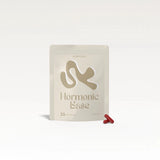
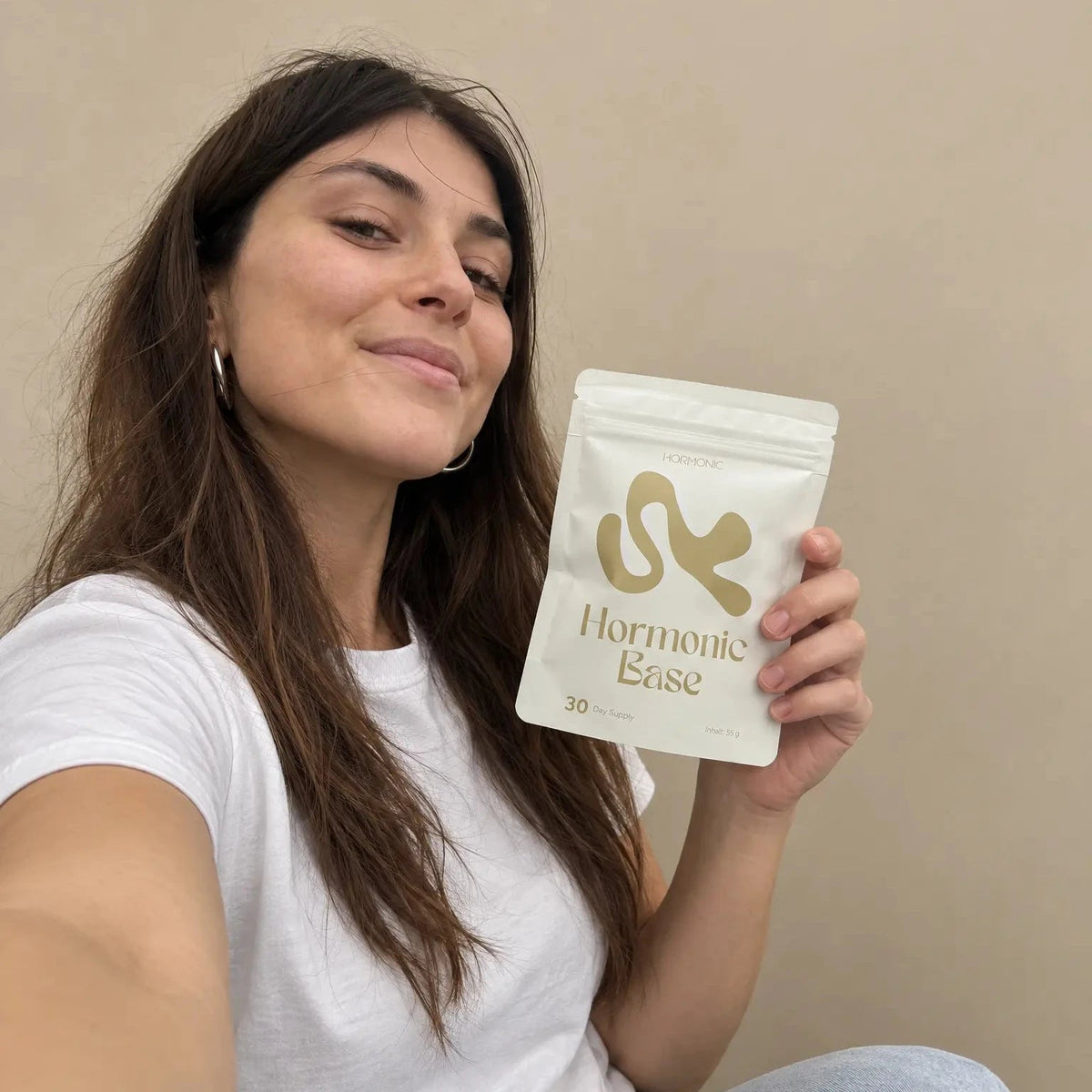
Zinc is the only nutrient in this article with an authorized claim for the skin: Zinc contributes to the maintenance of normal skin. It is contained in Hormonic Base, along with vitamin D3, selenium, and a magnesium complex of bisglycinate, malate, and citrate. 16 micronutrients, developed by physicians, laboratory-tested in Germany. Intended as a daily basic supplement, not as acne therapy. As described above, that belongs in the hands of a doctor.

Discover base

For external use: what you can get without a prescription in Germany

A preliminary remark, for the sake of honesty: The most recent Cochrane review on topical acne therapy concludes that there is no high-certainty evidence for any single therapy. Not even for benzoyl peroxide. Guidelines recommend it nonetheless because they weigh consistency, mechanism of action, and resistance behavior as well. And almost none of these studies were conducted on adult women with late-onset acne.

Benzoyl peroxide 2.5 percent: the best you can get without a prescription

Benzoyl peroxide is the only non-prescription active ingredient with a strong recommendation in both the European EuroGuiDerm guideline and the US AAD guideline. In the Cochrane comparison, it was superior to azelaic acid and equal to adapalene and clindamycin, without the development of resistance.

The most important practical insight comes from three double-blind studies with 153 patients: 2.5 percent works just as well against inflammatory lesions as 5 and 10 percent, but causes significantly less flaking, redness, and burning than 10 percent. For adult skin, therefore, the low concentration is not the budget version, but the right choice.

In Germany, you can get benzoyl peroxide at pharmacies without a prescription. Two notes: It reliably bleaches towels and pillowcases. And store it in a cool place. Benzoyl peroxide decomposes when heated, which is why individual products were recalled in the US in 2024. The FDA subsequently tested 95 products; over 90 percent were unremarkable, and it estimates the cancer risk to be very low. The BfArM also sees no concerning degradation products when stored correctly. So: don't keep it in a hot bathroom or car, and note the date it was opened.

Salicylic acid 2 percent: over-the-counter, good for blackheads

Salicylic acid is fat-soluble and therefore penetrates the sebum of the follicle, where blackheads form. In the Cochrane review, it was indistinguishable from tretinoin, albeit only in one study with 46 participants and low evidence quality. The 2024 AAD guideline gives it a conditional recommendation.

Since May 2020, the EU Cosmetics Regulation has permitted a maximum of 2 percent in products that remain on the skin. You don't need more, and more is not permitted for over-the-counter sale.

Niacinamide 4 percent: the well-tolerated third option

Two independent double-blind studies with 76 and 80 participants compared 4 percent niacinamide with 1 percent clindamycin, a topical antibiotic. Both found no significant difference. In the more recent study, niacinamide was even superior for oily skin.

The honest caveat: Both studies lacked a placebo arm, so it is unclear how much of the effect is due to basic skincare. Cochrane does not even count these comparisons as proof of efficacy because none of the studies assessed the global physician rating. Niacinamide is a good, very well-tolerated supplement. It is not a substitute for benzoyl peroxide.

What is only available by prescription, but worth the money

Azelaic acid is one of the best options of all for adult women. It works against acne and simultaneously against the dark spots that remain after healing. A randomized, placebo-controlled study over twelve weeks showed a significantly better pigmentation score and less melanin in the areas. It can also be used during pregnancy and breastfeeding, unlike retinoids.

Important, as there is much confusion here: All reliable evidence concerns 15 and 20 percent, and both concentrations are prescription-only in Germany. The over-the-counter cosmetics with typically 10 percent have no comparable studies. That is an assumption, not proof.

Also only by prescription, but new and conceptually particularly interesting for hormonal acne: Clascoterone, the first topical androgen receptor blocker. It has been approved in the EU since August 2025 and available in Germany since June 2026. In two Phase 3 studies with 1,440 participants, the success rate was 18.4 and 20.3 percent compared to 9.0 and 6.5 percent with the vehicle cream. To be honest: these are modest absolute numbers, and to this day there is no direct comparison with benzoyl peroxide.

All topical retinoids, i.e., adapalene, tretinoin, and trifarotene, are also without exception prescription-only in Germany. Over-the-counter cosmetics with retinol are not equivalent; there are no comparable studies for them regarding acne.

The one combination rule you should know

Benzoyl peroxide destroys tretinoin. In the laboratory, over 50 percent of the tretinoin had degraded after two hours under light, and 95 percent after 24 hours. Adapalene, on the other hand, remained stable. So if you are prescribed tretinoin: benzoyl peroxide in the morning, tretinoin in the evening, never together. With adapalene, simultaneous application is unproblematic, which is why it is available as a ready-made combination.

And the most important expectation: all clinical trials run for twelve weeks. Before three months, it is simply impossible to judge whether something is working. With retinoids, irritation is strongest in week 1 and decreases thereafter. That is the moment when most people quit, and that is exactly where perseverance pays off.

The washing myth that almost every beauty text repeats

"Washing too much makes acne worse" is everywhere. The only randomized study on this says otherwise. 27 participants washed once, twice, or four times a day for six weeks. Twice a day performed best. Four times a day made nothing worse. And once a day caused the papules to increase significantly, from 9 to 13.

The study had 27 male participants with an average age of 19, so it is only partially transferable. But the verifiable statement is: wash twice daily with a mild cleanser. The problem is aggressive surfactants and scrubs, not the frequency.

The best remedies are only available by prescription.

Azelaic acid in effective concentrations, retinoids, and clascoterone are prescription-only in Germany without exception. And if your acne occurs alongside irregular cycles, increased hair growth, or hair loss, there is more involved than just skincare. In our online consultation, experienced physicians will review your lab results via video and determine the underlying cause for you. The initial consultation is free of charge.

Book a free consultation call

What you can save yourself from

These four are intensively advertised for hormonal acne. The evidence doesn't support this, and you should know that before you spend money.

  • Chasteberry (Vitex agnus-castus).A systematic review found twelve randomized studies on Vitex agnus-castus. They exclusively concern PMS, PMDD, and increased prolactin secretion. In not a single one was acne an endpoint. The anti-acne advertising is based entirely on the analogy "lowers prolactin, regulates the cycle, therefore it helps with pimples." For PMS, chasteberry is a serious option; we have written more about thathere. For your skin, it is not.
  • Spearmint tea.The two frequently cited studies never measured acne. The first had 21 women, ran for five days, and was uncontrolled; total testosterone did not decrease significantly. The second was a genuine RCT with 41 women over 30 days; it lowered testosterone, but the only objectively measured skin parameter showed no difference. A lab value effect without a proven correlate on the skin.
  • Probiotics, oral and topical.The oral meta-analysis found no significant effect on inflammatory lesions, with a heterogeneity of 99 percent. The meta-analysis on Lactobacillus skincare covering 332 participants is negative on all three endpoints. "Microbiome care" for acne is currently a promise, not proof of efficacy.
  • Green tea in capsules.The only study on 80 women with adult acne missed its primary endpoint: the total number of lesions did not decrease significantly. The only positive was an evaluation by facial region, and that is a classic chance finding. Topically, it looks better, but there is a lack of standardized products there.

Conclusion: what I would do if I were you

The honest summary is less spectacular than any advertisement promises, but it actually holds up.

From within: Address the glycemic load; that is the only lever with a mechanism visible in the tissue. Try four weeks of less milk, especially skim milk. Have your vitamin D status checked, as the effect was only shown in cases of confirmed deficiency. And if you take a supplement, make it zinc, because it is the only one with an authorized claim for skin and has the largest data basis.

From the outside: Benzoyl peroxide 2.5 percent from the pharmacy, mild cleansing twice a day, and twelve weeks of patience before you judge.

And the point at which self-treatment ends: If the acne is nodular or cystic, leaves scars, if it occurs in conjunction with irregular cycles, increased hair growth, or hair loss, or if nothing has happened after three months. Then it is no longer about skincare, but about diagnostics. The most effective agents for adult women, azelaic acid in an effective concentration, retinoids, and clascoterone, are prescription-only in Germany anyway.

Common Questions About Hormonal Acne

What really helps against hormonal acne from the inside out?

Three approaches have a genuine evidence base. First, the glycemic load of meals: in a ten-week randomized trial, inflammatory lesions decreased by 29.1 percent, and sebaceous glands were smaller in skin biopsies. Second, zinc: 30 mg daily achieved clinical success in 31.2 percent of 332 participants in one study, compared to 63.4 percent with an antibiotic. Third, less milk, especially skim milk. Vitamin D was also effective in a small study, but only in cases of proven deficiency. In contrast, chaste tree, spearmint tea, and probiotics remain unproven.

Does zinc help with hormonal acne?

Of all nutrients, zinc has the most extensive database: a meta-analysis of 25 studies with 2,445 participants found significantly fewer inflammatory papules and pustules with zinc supplementation. The effect is, however, moderate. In a double-blind study with 332 participants, 31.2 percent achieved clinical success with 30 mg of zinc daily, compared to 63.4 percent with minocycline. Standard treatment courses last from six to thirteen weeks; gastrointestinal complaints occur in about 20 percent of cases. The following claim is approved in the EU: Zinc contributes to the maintenance of normal skin.

Muss ich bei hormoneller Akne auf Milch verzichten?
Verzichten musst Du nicht, ausprobieren lohnt sich. In der größten Auswertung mit 78.529 Personen lag die Wahrscheinlichkeit für Akne bei Milchkonsum um 25 Prozent höher, mit klarer Dosis-Wirkung: ab zwei Gläsern täglich stieg sie deutlicher an. Auffällig ist, dass Magermilch schlechter abschneidet als Vollmilch, was gegen das Fett und für die Molkenproteine und IGF-1 spricht. Wichtig zur Einordnung: Das sind ausschließlich Beobachtungsdaten mit nachgewiesenem Publikationsbias, ein kontrollierter Versuch zu Milchverzicht bei Akne existiert nicht. Vier Wochen Selbstversuch geben Dir eine belastbarere Antwort für Dich persönlich als jede Statistik.
Hilft Mönchspfeffer gegen hormonelle Akne?
Dafür gibt es keine Belege. Ein systematischer Review fand zwölf randomisierte Studien zu Mönchspfeffer (Vitex agnus-castus), und sie betreffen ausschließlich PMS, PMDS und eine erhöhte Prolaktinausschüttung. In keiner einzigen war Akne ein Endpunkt. Die Bewerbung als Anti-Akne-Mittel beruht auf einer Analogie, nicht auf Daten. Bei PMS ist Mönchspfeffer dagegen eine ernstzunehmende Option. Zu beachten: Er wirkt dopaminerg und prolaktinsenkend, es sind also Wechselwirkungen mit hormonellen Verhütungsmitteln und bestimmten Medikamenten möglich.

Scientific Sources

  • Kwon HH et al. (2012). Clinical and histological effect of a low glycaemic load diet in treatment of acne vulgaris in Korean patients: a randomized, controlled trial. Acta Dermato-Venereologica 92(3):241-246. doi:10.2340/00015555-1346
  • Smith RN et al. (2007). A low-glycemic-load diet improves symptoms in acne vulgaris patients: a randomized controlled trial. The American Journal of Clinical Nutrition 86(1):107-115. doi:10.1093/ajcn/86.1.107
  • Reynolds RC et al. (2010). Effect of the glycemic index of carbohydrates on acne vulgaris. Nutrients 2(10):1060-1072. doi:10.3390/nu2101060
  • Yee BE et al. (2020). Serum zinc levels and efficacy of zinc treatment in acne vulgaris: a systematic review and meta-analysis. Dermatologic Therapy 33(6):e14252. doi:10.1111/dth.14252
  • Dréno B et al. (2001). Multicenter randomized comparative double-blind controlled clinical trial of the safety and efficacy of zinc gluconate versus minocycline hydrochloride in the treatment of inflammatory acne vulgaris. Dermatology 203(2):135-140. PMID 11586012
  • Spiniello S et al. (2026). Oral zinc supplementation in acne vulgaris and hidradenitis suppurativa: an updated comprehensive review. Nutrients 18(17):2865. doi:10.3390/nu18172865
  • Juhl CR et al. (2018). Dairy intake and acne vulgaris: a systematic review and meta-analysis of 78,529 children, adolescents, and young adults. Nutrients 10(8):1049. doi:10.3390/nu10081049
  • Lim SK et al. (2016). Comparison of vitamin D levels in patients with and without acne: a case-control study combined with a randomized controlled trial. PLOS ONE 11(8):e0161162. doi:10.1371/journal.pone.0161162
  • Jung JY et al. (2014). Effect of dietary supplementation with omega-3 fatty acid and gamma-linolenic acid on acne vulgaris: a randomised, double-blind, controlled trial. Acta Dermato-Venereologica 94(5):521-525. doi:10.2340/00015555-1802
  • Guertler A et al. (2024). Exploring the potential of omega-3 fatty acids in acne patients: a prospective intervention study. Journal of Cosmetic Dermatology 23(10):3295-3304. doi:10.1111/jocd.16434
  • Grant P (2010). Spearmint herbal tea has significant anti-androgen effects in polycystic ovarian syndrome. A randomized controlled trial. Phytotherapy Research 24(2):186-188. doi:10.1002/ptr.2900
  • Akdoğan M et al. (2007). Effect of spearmint (Mentha spicata Labiatae) teas on androgen levels in women with hirsutism. Phytotherapy Research 21(5):444-447. doi:10.1002/ptr.2074
  • Duan M et al. (2026). Effects of inositol in women with polycystic ovary syndrome: an umbrella review of meta-analyses from randomized controlled trials. Frontiers in Endocrinology 17:1741509. doi:10.3389/fendo.2026.1741509
  • Mohamed M et al. (2025). The impact of probiotics on acne vulgaris: a meta-analysis of randomized controlled trials. Cureus 17(11):e97010. doi:10.7759/cureus.97010
  • Abedin ZU et al. (2026). Lactobacillus-based microbiome therapy for acne vulgaris: a GRADE systematic review and meta-analysis of randomized controlled trials. Journal of Cosmetic Dermatology 25(3):e70792. doi:10.1111/jocd.70792
  • van Die MD et al. (2013). Vitex agnus-castus extracts for female reproductive disorders: a systematic review of clinical trials. Planta Medica 79(7):562-575. PMID 23136064
  • Di Pierro F et al. (2023). Effect of berberine phytosome on reproductive, dermatologic, and metabolic characteristics in women with polycystic ovary syndrome: a controlled, randomized, multi-centric, open-label clinical trial. Frontiers in Pharmacology 14:1269605. doi:10.3389/fphar.2023.1269605
  • Mariscal G et al. (2025). Efficacy of N-acetylcysteine in polycystic ovary syndrome: systematic review and meta-analysis. Nutrients 17(2):284. doi:10.3390/nu17020284
  • Nast A et al. (2026). Update of the EuroGuiDerm evidence-based guideline for the treatment of acne, short version. Journal of the European Academy of Dermatology and Venereology 40(7):1162-1172. doi:10.1111/jdv.70331
  • Reynolds RV et al. (2024). Guidelines of care for the management of acne vulgaris. Journal of the American Academy of Dermatology 90(5):1006.e1-1006.e30. doi:10.1016/j.jaad.2023.12.017
  • Yuan Y et al. (2024). Topical, light-based, and complementary interventions for acne: an overview of systematic reviews. Cochrane Database of Systematic Reviews 10:CD014918. doi:10.1002/14651858.CD014918.pub2
  • Liu H et al. (2020). Topical azelaic acid, salicylic acid, nicotinamide, sulphur, zinc and fruit acid (alpha-hydroxy acid) for acne. Cochrane Database of Systematic Reviews 5:CD011368. doi:10.1002/14651858.CD011368.pub2
  • Mills OH Jr et al. (1986). Comparing 2.5%, 5%, and 10% benzoyl peroxide on inflammatory acne vulgaris. International Journal of Dermatology 25(10):664-667. doi:10.1111/j.1365-4362.1986.tb04534.x
  • Shucheng H et al. (2024). Effects of 15% azelaic acid gel in the management of post-inflammatory erythema and post-inflammatory hyperpigmentation in acne vulgaris. Dermatology and Therapy 14:1293-1314. doi:10.1007/s13555-024-01176-2
  • Shalita AR et al. (1995). Topical nicotinamide compared with clindamycin gel in the treatment of inflammatory acne vulgaris. International Journal of Dermatology 34(6):434-437. doi:10.1111/j.1365-4362.1995.tb04449.x
  • Khodaeiani E et al. (2013). Topical 4% nicotinamide vs. 1% clindamycin in moderate inflammatory acne vulgaris. International Journal of Dermatology 52(8):999-1004. doi:10.1111/ijd.12002
  • Hebert A et al. (2020). Efficacy and safety of topical clascoterone cream, 1%, for treatment in patients with facial acne: two phase 3 randomized clinical trials. JAMA Dermatology 156(6):621-630. doi:10.1001/jamadermatol.2020.0465
  • Martin B et al. (1998). Chemical stability of adapalene and tretinoin when combined with benzoyl peroxide in presence and in absence of visible light and ultraviolet radiation. British Journal of Dermatology 139(Suppl 52):8-11. doi:10.1046/j.1365-2133.1998.1390s2008.x
  • Choi JM et al. (2006). A single-blinded, randomized, controlled clinical trial evaluating the effect of face washing on acne vulgaris. Pediatric Dermatology 23(5):421-427. doi:10.1111/j.1525-1470.2006.00276.x
  • Kim S et al. (2021). The effects of green tea on acne vulgaris: a systematic review and meta-analysis of randomized clinical trials. Phytotherapy Research 35(1):374-383. doi:10.1002/ptr.6809

About the Author

Lisa Maria Emmer

Lisa Maria Emmer

Founder · Physician · Hormonic

Lisa Maria Emmer is co-founder and medical director at Hormonic. She supports women with hormonal problems every day and specializes in cycle health, PCOS, and menopause.

Note: This article is based on current guidelines and scientific work (as of 2026). It is for informational purposes only and does not replace medical advice, diagnosis, or treatment.

Share

You might also be interested in this.
Hormonelle Akne bei Frauen: Ursachen und was wirklich hilft - Hormonic
Haut & HaareSep 1, 202412 min read
Hormonal Acne in Women: Causes and What Really Helps

Hormonal acne often appears on the chin and jawline, usually before one's period. We explain the role of androgens, the menstrual cycle, and nutrition, and clarify which active ingredients and appr...

Pickel am Kinn: Warum sie hormonell sind und was hilft - Hormonic
Haut & HaareSep 19, 20266 min read
Chin acne: Why it’s hormonal and how to treat it

Chin acne in women is almost always hormonal. Why androgens affect the skin on the chin, what studies show really helps, and when it is advisable to see a doctor.

Androgene bei Frauen natürlich senken: Was wirklich hilft - Hormonic
PCOSMay 31, 20268 min read
Naturally Lower Androgens in Women: What Really Helps

Elevated androgens manifest as acne, hair loss, and menstrual irregularities. We explore the underlying biology and evidence-based effective interventions.