

Wanting to get pregnant after years on the pill is an emotional journey for many. Here are honest experiences: how long the cycle took to return, the roller coaster of hoping and waiting, and what helped women support their bodies on the path to their desired child.
What women trying to conceive after the pill report
We explain what happens in the body when you stop taking the pill in our Pill Cessation Guide and in our experiences on stopping the pill. Here, we focus on the desire to have children.
- The cycle is often irregular after stopping, yet ovulation can return early.
- Learning to recognize ovulation (temperature, cervical mucus, tests) is described as a major turning point.
- The emotional roller coaster of hope and waiting weighs on many more than expected.
- A good nutritional foundation with folate and zinc is often experienced as reassuring during the time spent trying to conceive.
Free self-test · approx. 2 minutes
Where is your cycle right now? Take the check.
Answer a few questions about your cycle and symptoms to receive an initial assessment. Anonymous, no registration required to start. The test does not replace medical advice.
Take the self-test →The journey as many experience it
- Stopping & Waiting: The cycle kicks in, often irregularly, and the waiting begins.
- Getting to know your cycle: Women start observing ovulation and fertile days.
- Ups and downs: Every cycle without success feels difficult; patience becomes the greatest challenge.
- Arriving: Many describe that understanding and support took the pressure off.
Testimonials
"After 11 years on the pill, my cycle was completely irregular at first. I started monitoring my ovulation, and that gave me the feeling of understanding my body for the first time."
"Waiting month after month was the hardest part emotionally. I tried to take good care of myself, with less stress, a healthy diet, and my Hormonic nutrients, instead of just putting myself under pressure."
"I wish someone had explained to me sooner how to identify my fertile days. That would have saved me a lot of uncertainty."
"When I stopped seeing every cycle as a test, things got easier. My husband and I consciously took time for ourselves and both took supplements (it's not just us women who are the 'problem'), and eventually, it worked."
What else women report
How long until the cycle returns. This is often the first concern. For most, the cycle returns within a few months, though sometimes it takes longer. However, ovulation can occur before the first period, so getting pregnant is possible early on.
Learning to recognize ovulation. Measuring temperature, observing cervical mucus, ovulation tests: Many describe this as the moment they truly understood their body for the first time. More on this in our fertility guide.
Irregular cycles and PCOS. If the cycle remains irregular for a long time, the question of PCOS often arises. This can be clarified medically, such as through a video consultation at Hormonic, and changes the approach.
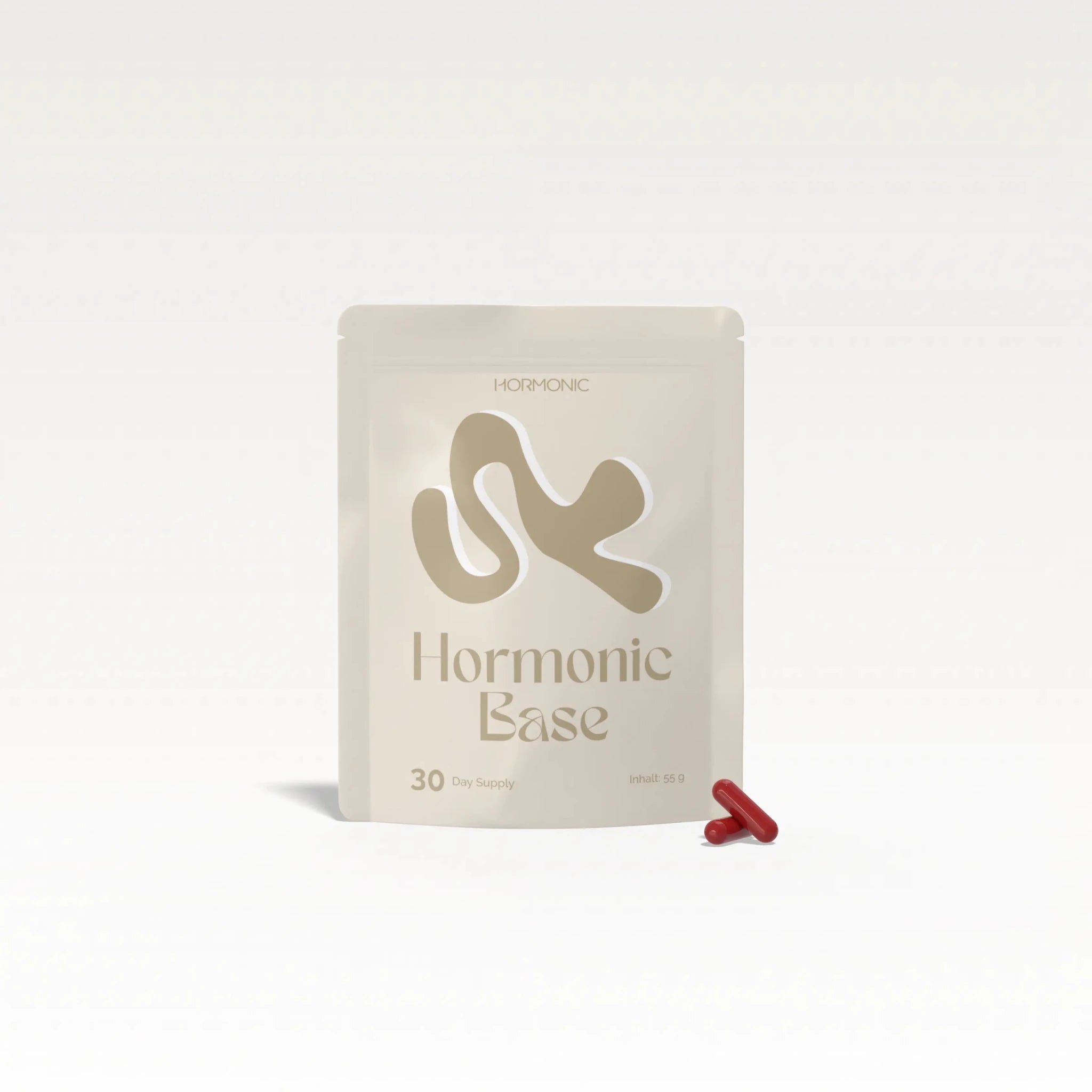
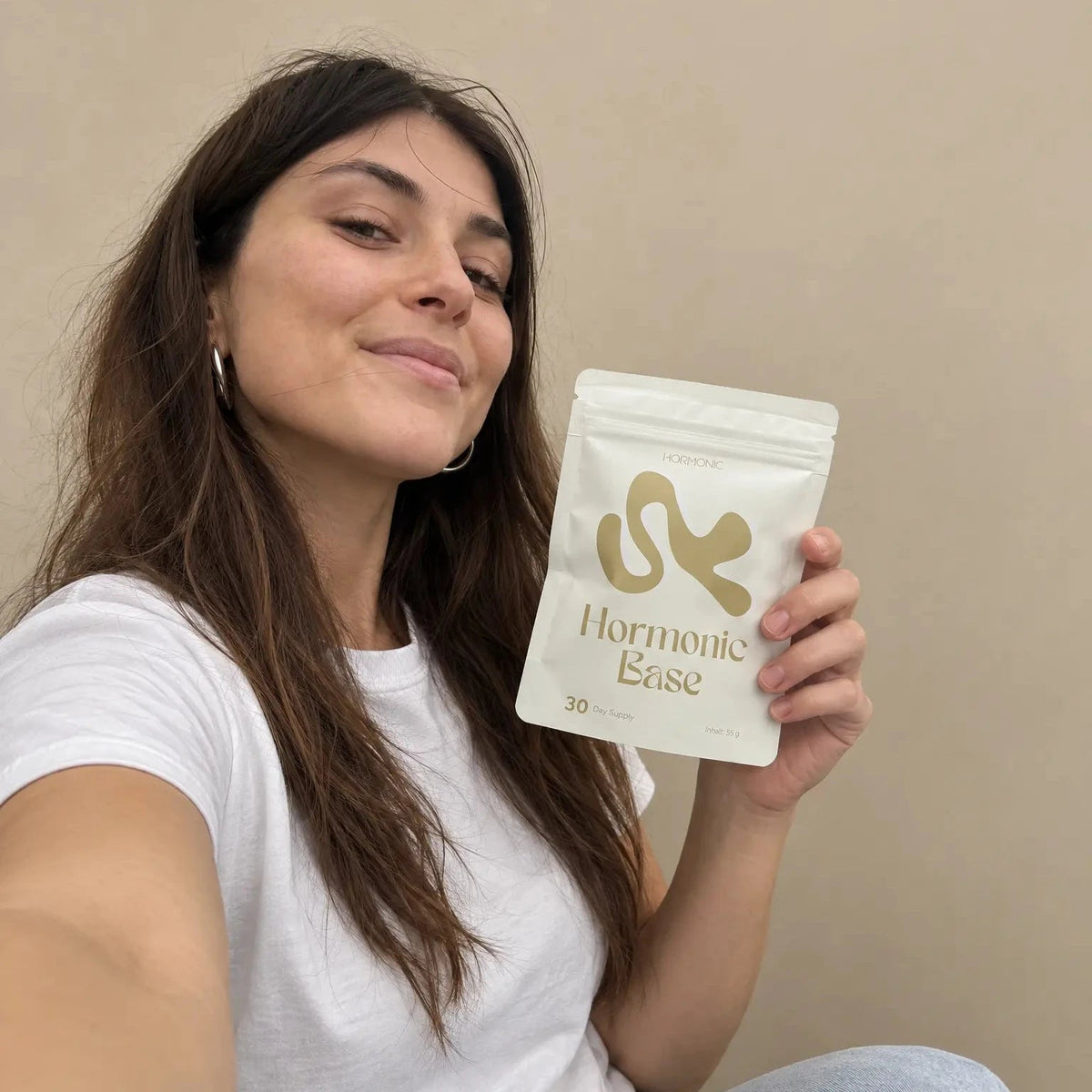
Folate, zinc, and the basics. A good nutritional foundation is often experienced as reassuring while trying to conceive. Folate is particularly important here and is ideally replenished before pregnancy. Women who cover their nutritional base, such as with Hormonic Base, support their body holistically during this phase.
The emotional roller coaster. The waiting month after month, the hope, the disappointment: almost everyone describes this as the truly difficult part, harder than anything physical.
Pressure and relationships. Many report that things became easier as soon as the pressure was removed and their partner was consciously involved.
When to see a doctor. A common wish in retrospect is to have had clarity sooner. As a guideline: if it doesn't happen after about 12 months, or 6 months if you are 35 or older, a medical check-up is advisable; in the case of known pre-existing conditions, sooner.
What almost everyone shares: the journey feels lighter as soon as you understand your own cycle, take the pressure off, and nourish your body well instead of working against it.
What has helped many during the time of trying to conceive
The common thread: understanding your own cycle and supporting your body with a good nutritional base. Two of our formulas fit this phase.
The foundation
Hormonic Base
16 micronutrients as a daily foundation, including folate, which contributes to normal blood formation and is particularly important when trying to conceive, as well as zinc for normal fertility.
€52 per subscription · €65 one-time
Discover Base →The add-on for the cycle
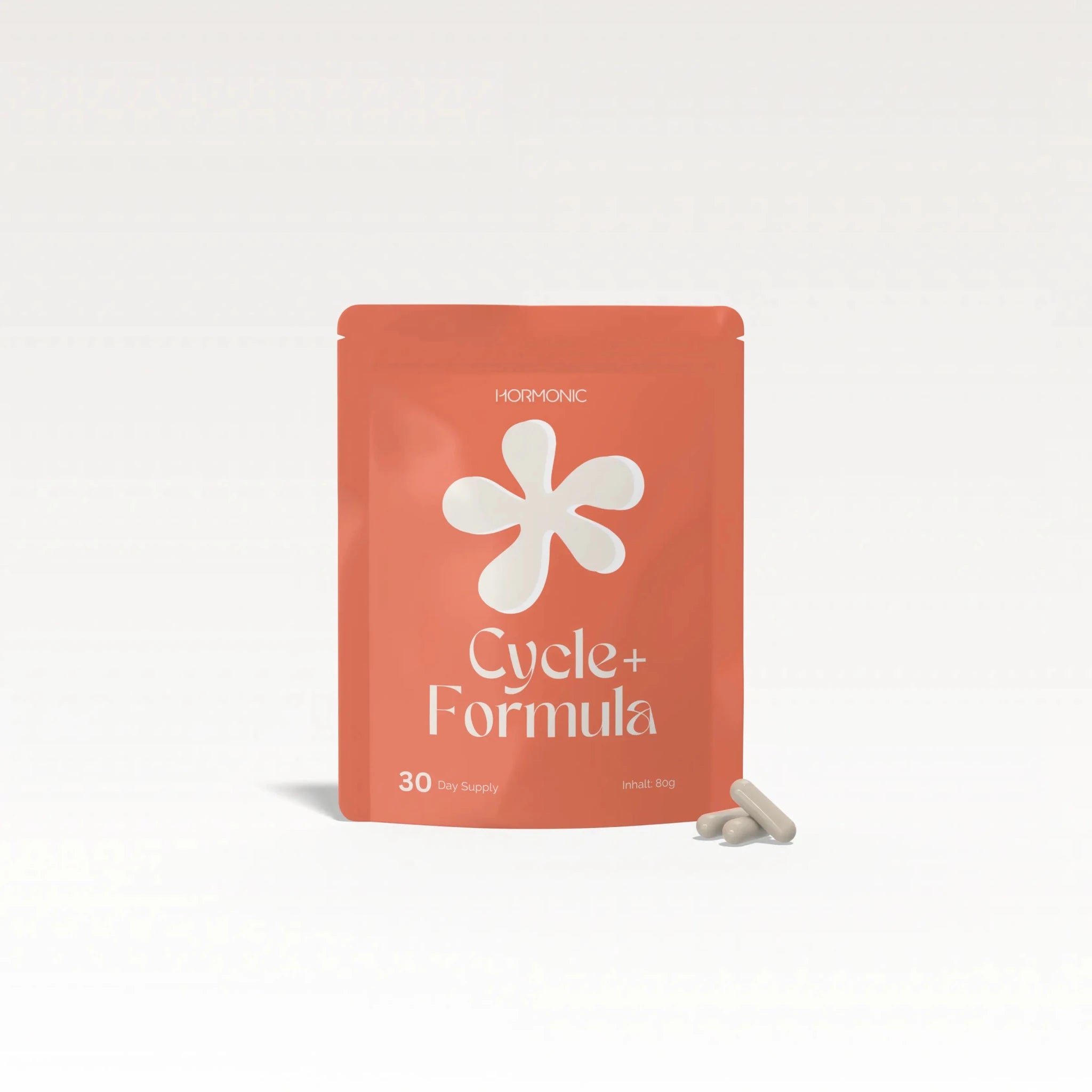
Cycle+ Formula
Cycle-accompanying with zinc and myo-inositol, if you want to get to know and support your cycle after stopping the pill. Note: Cycle+ is not intended for pregnancy; once you have a positive test, switch to a pregnancy vitamin and consult your doctor.
€60 per subscription · €75 one-time
Discover Cycle+ →Unsure what suits you? Our doctors are happy to accompany you in a free initial consultation.
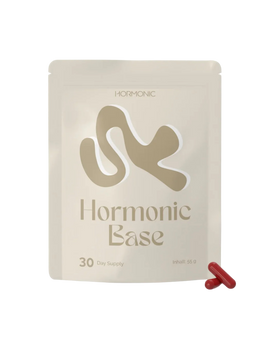
Hormonic Base: the daily foundation during your fertility journey
16 micronutrients for your daily needs, developed by doctors. Including zinc, which contributes to normal fertility and reproduction, and folate, which contributes to normal cell division.
€65,00
Frequent Questions about Fertility After the Pill
How long does it take to get pregnant after stopping the pill?
Should I prepare anything before I submit it?
Kann ein Supplement schwanger machen?
Ab wann sollte ich ärztlich abklären lassen?
Scientific Sources
- Gnoth C et al. (2002). Cycle characteristics after discontinuation of oral contraceptives. Gynecol Endocrinol 16(4):307-317.
- Mansour D et al. (2011). Fertility after discontinuation of contraception. Contraception 84(5):465-477.
- AWMF S2k Guideline: Diagnostics and Therapy before Assisted Reproductive Treatment (Reg.-No. 015-085).
About the Author

You might also be interested in this.

Ovulation pain, cervical mucus, nausea: Ovulation manifests through many signs. Find out which ovulation symptoms are typical, how long ovulation pain lasts, and how to identify your fertile days.

Are you considering discontinuing the pill, or have you already done so? This guide provides evidence-based information on what happens in your body, typical side effects and symptoms, and how long...
The pill can lower folate, B vitamins, magnesium, zinc, and other micronutrients. Find out which ones are affected, what symptoms this causes, and how you can specifically protect your supply.