




Cart

Your cart is empty

Continue shopping

Trending searches

Featured products

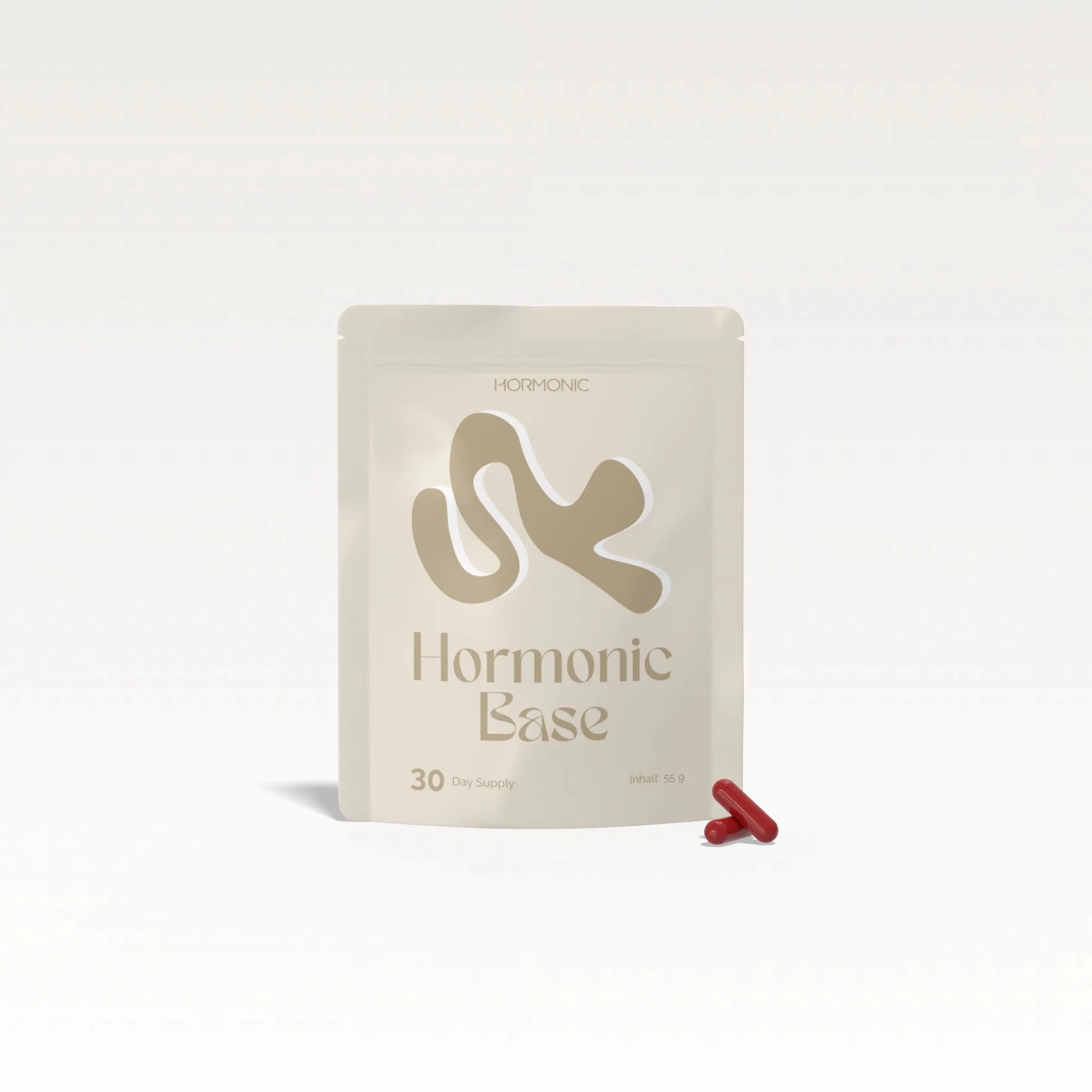
Hormonic Base - Hormonic - Nahrungsergänzungsmittel
Sale price€65,00
(5.0)
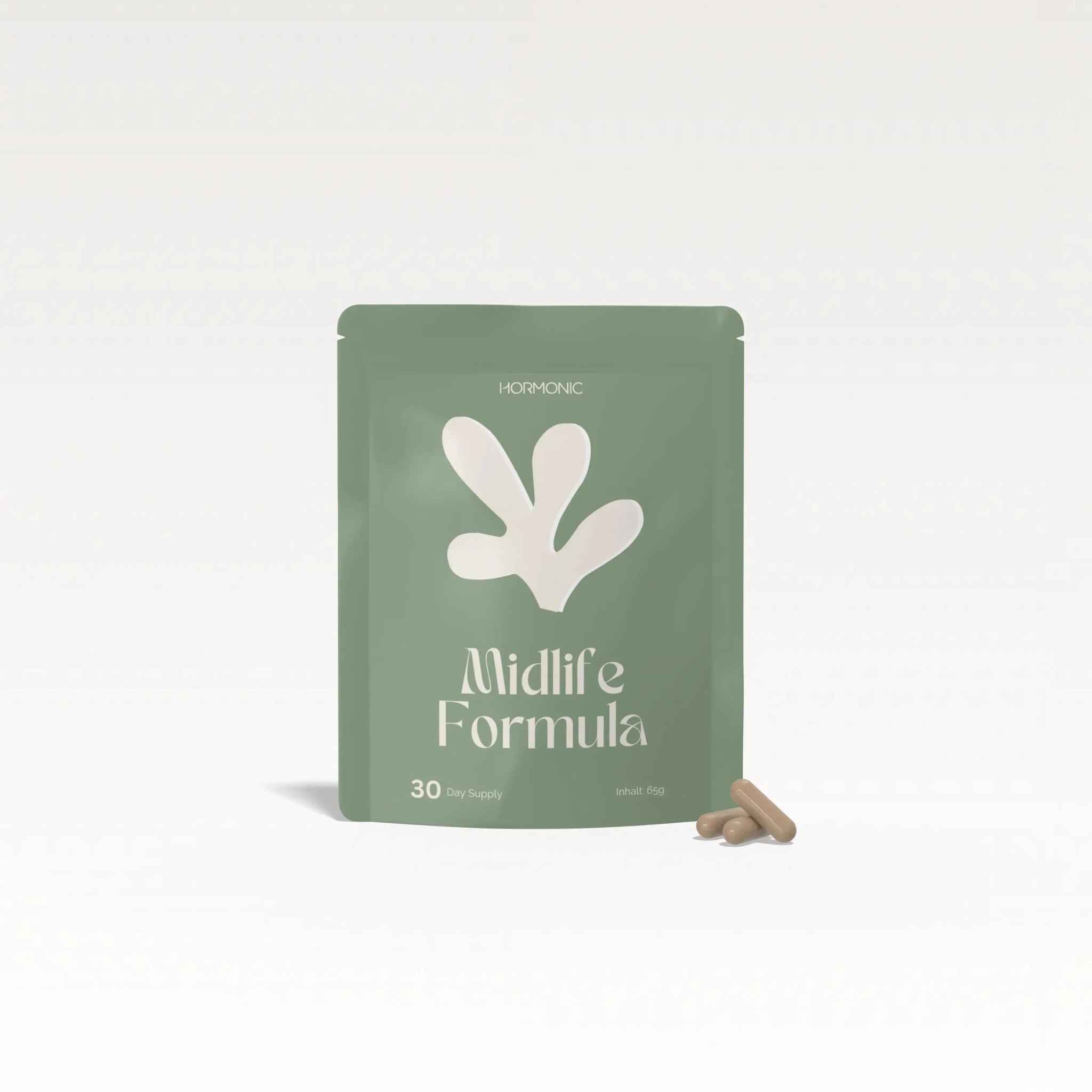
Midlife Formula - Hormonic - Nahrungsergänzungsmittel
Sale price€75,00
(5.0)
Magnesium und Schlaf: was wirklich dran ist - Hormonic
MikronährstoffeJul 14, 20267 min read

Magnesium and Sleep: The Real Story

This article is part of: Micronutrients and Hormones: The Female Guide

Many consider magnesium to be nature's sleep aid. But what's the real story? This article honestly explains what magnesium does in the body, what studies show about sleep, and when its intake is beneficial, without marketing promises.

The most important points in brief

  • Magnesium contributes to the normal functioning of the nervous system, normal psychological function, and the reduction of tiredness. These are approved claims.
  • Specifically regarding sleep, the evidence from studies is weak: Small studies show at most a slight effect on falling asleep, and hardly any on staying asleep.
  • Magnesium is most likely to help with sleep if there is actually a deficiency, not as a general sleep aid.
  • Organic forms such as magnesium citrate or bisglycinate are well-tolerated when taken in sensible, moderate doses.
  • The biggest difference is made by a cool bedroom, consistent sleep times, and addressing the underlying cause, not just a capsule.

As a Research Fellow, I read almost daily that magnesium is the solution for poor sleep. That sounds good, but it's more nuanced than advertising promises. Magnesium is an important mineral with real, proven functions, yet it's not a sleep aid. Here, I want to honestly show you what research truly says and when magnesium can be beneficial for your sleep.

Did you know?

Studies linking magnesium to better sleep are usually small and often conducted on older people or individuals with low magnesium levels. For well-nourished, younger women, the benefit for sleep is hardly proven. This doesn't mean magnesium is useless, but rather that one should remain honest.

What magnesium does in the body

Magnesium is involved in hundreds of processes in the body. For the topic of sleep, its roles in the nervous system and muscles are particularly interesting: Magnesium influences calming neurotransmitters and is involved in a relaxed nervous and muscular system, which theoretically supports settling down. On a regulatory level, it can be clearly stated about magnesium: It contributes to the normal functioning of the nervous system, normal psychological function, and the reduction of tiredness. These are the honest, approved statements, and they form a good basis.

However, the step from these functions to a genuine sleep aid is significant, and this is precisely where marketing diverges from science.

Magnesium and sleep: what studies show

The honest answer is: less than many people think. Summary evaluations of small studies suggest that magnesium can shorten the time it takes to fall asleep by a few minutes, and even then, with mixed results. For staying asleep, i.e., less nocturnal awakening, there is hardly any convincing evidence. The studies are also often small and methodologically weak, and they were frequently conducted on people with low magnesium levels, for whom compensation naturally brings more benefits.

For you, this means: Magnesium can be a gentle building block, but it replaces neither good sleep habits nor addressing the underlying cause. Anyone who regularly wakes up at night should investigate the causes, as we describe in the article on nocturnal awakenings, instead of relying solely on a capsule.
When Magnesium Can Really Help with Sleep

Magnesium is most beneficial for sleep when there is actually a deficiency. A magnesium deficiency can manifest itself through muscle cramps, internal restlessness, irritability, and exhaustion, all of which can also disturb sleep. In this case, correcting the deficiency often brings noticeably more peace. Women with very unbalanced diets, a lot of stress, heavy sweating due to sports, or certain illnesses are, for example, at risk of low magnesium levels. You can read in detail about how a magnesium deficiencymanifests itself in our separate article.

However, if you have a good basic supply, additional magnesium will hardly improve your sleep. Simply taking it because it is advertised rarely brings the desired effect. Magnesium is more useful as part of a solid basic supply, not as a miracle cure for the night.

Which form, when and how much

If you want to supplement magnesium, the form and quantity are important. Organic compounds like magnesium citrate or magnesium bisglycinateare well-tolerated and easily absorbed. The often inexpensive magnesium oxide, however, is less well absorbed. Many women like to take magnesium in the evening because it helps them wind down, but there is no proven compelling advantage over taking it during the day. A sensible, moderate dosage within the recommended amounts is important. Very high doses do not bring any additional benefit and can affect the bowels.

Hormonic Base: Magnesium and L-Glycine for Your Evening Routine

If you want to strengthen your nutritional foundation anyway, Hormonic Base is the easiest way. Base provides 16 essential active ingredients for central bodily processes. These include magnesium, which contributes to the normal functioning of the nervous system, psychological function, and the reduction of fatigue, as well as the amino acid L-glycine. Doctor-developed and produced in Austria.
Discover Hormonic Base

What else helps for better sleep

As much as one would like a simple solution: nutrients can help, but behavior also plays an important role. The most well-established method is cognitive behavioral therapy for sleep. Then there are the basics: fixed sleep and wake-up times, even on weekends, a cool, dark bedroom, daylight in the morning, and less alcohol, caffeine, and screen time in the evening. And if there's a specific underlying cause, such as hot flashes during menopause,iron deficiency with restless legs, or sleep apnea, treating that is the real leverage point.

You should have your sleep medically checked if the problems persist for more than about three months and affect you during the day, or if there are indications of sleep apnea or restless legs. If you are unsure whether and which nutrients are beneficial for you, or if you have questions about your situation, you can discuss this in a free initial consultationwith one of our doctors, completely non-binding and conveniently from home via video call.

Sleep problems during menopause? Here's your duo!

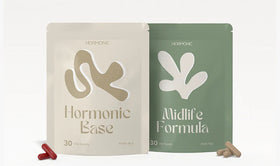
If your sleep problems coincide with menopause, the Midlife Bundle may be suitable for you. It combines the micronutrient foundation Hormonic Base and the Midlife Formula, with nine carefully selected active ingredients for this life stage, including L-theanine and botanical extracts, in a coordinated package.

For peaceful nights

Conclusion

Magnesium is an important mineral that contributes to the normal functioning of the nervous system, normal psychological function, and the reduction of fatigue. While it does not act like a true sleeping pill, studies show promising effects on falling asleep. If inner restlessness is also present, calming plant compounds like L-theanine from the Midlife Formulacan also be interesting.

Magnesium is useful as part of a solid basic supply, well-tolerated as citrate or bisglycinate, and in moderate dosage. However, the real difference for your sleep comes from good sleep habits, a cool bedroom, and addressing the root cause. This way, you stay honest with yourself and save yourself expensive disappointments.

Frequently asked questions about magnesium and sleep

Does magnesium help with sleep?

Indirectly. Magnesium contributes to the normal functioning of the nervous system, normal psychological function, and the reduction of fatigue. However, studies on sleep specifically are moderate: small studies show a slight effect on falling asleep, but hardly any on staying asleep, and most notably in people with a deficiency. For many, it works more indirectly, as it has calming properties.

Which magnesium is best for sleep?

There is no specific sleep-related form. Organic compounds like magnesium citrate or magnesium bisglycinate are well-tolerated and easily absorbable, whereas inexpensive magnesium oxide is poorly absorbed by the body. Whether you take it in the evening or during the day makes no proven difference. A moderate dosage is important, as very high amounts offer no additional benefit and can strain the intestines.

Wann sollte man Magnesium für den Schlaf nehmen?
Am ehesten dann, wenn tatsächlich ein Magnesiummangel vorliegt, etwa bei Muskelkrämpfen, innerer Unruhe und Erschöpfung. In diesem Fall bringt der Ausgleich oft mehr Ruhe. Bei guter Grundversorgung wird zusätzliches Magnesium den Schlaf dagegen kaum verbessern. Sinnvoll ist es als Teil einer soliden Grundversorgung, nicht als Wundermittel für die Nacht.
Was hilft besser als Magnesium beim Schlaf?
Den größten Unterschied macht das Verhalten, nicht die Kapsel. Am besten belegt ist die kognitive Verhaltenstherapie für Schlaf, dazu feste Zeiten, ein kühles, dunkles Schlafzimmer, morgens Tageslicht und abends weniger Alkohol, Koffein und Bildschirmzeit. Steckt eine konkrete Ursache dahinter wie Hitzewallungen, Eisenmangel mit unruhigen Beinen oder eine Schlafapnoe, ist deren Behandlung der wirksamste Hebel.

Scientific Sources

  • Mah, J., Pitre, T. (2021). Oral magnesium supplementation for insomnia in older adults: a systematic review and meta-analysis. BMC Complement Med Ther, 21, 125. doi:10.1186/s12906-021-03297-z
  • Rawji, A. et al. (2024). Examining the effects of supplemental magnesium on sleep: a systematic review. Sleep Med Rev.
  • Zhang, Y. et al. (2022). Association of magnesium intake with sleep duration and quality: NHANES analysis. Sleep, 45(4).
  • Trauer, J. M. et al. (2015). Cognitive Behavioral Therapy for Chronic Insomnia. Ann Intern Med, 163(3), 191-204. doi:10.7326/M14-2841
  • Regulation (EU) No 432/2012; EFSA Journal 2010;8(10):1807 (Magnesium: normal functioning of the nervous system, normal psychological function, reduction of tiredness).

About the Author

Amelie Weiss

Amelie Weiss

Research Fellow, PhD · Hormonic

Amelie Weiss is a Research Fellow at Hormonic and conducts scientific research on hormonal health, micronutrients, and evidence-based women's health.

Note: This article is based on current guidelines and scientific work (as of 2026). It is intended for informational purposes only and does not replace professional medical advice, diagnosis, or treatment.

Share

You might also be interested in this.

Magnesiummangel bei Frauen: Symptome und was wirklich hilft - Hormonic
MikronährstoffeJun 27, 20268 min read
Magnesium Deficiency in Women: Symptoms and What Really Helps

Fatigue, PMS, poor sleep: Magnesium deficiency in women is often overlooked. Symptoms, studies, and what really helps.

Nachts aufwachen und nicht mehr einschlafen: was Frauen hilft - Hormonic
SchlafJul 19, 20268 min read
Waking up at night and not being able to fall back asleep: what helps women

Awake at night and can't get back to sleep? Why women wake up, why the cortisol myth is flawed, what you should check, and what really helps.