




Women are unintentionally getting pregnant while using weight loss injections like Ozempic, resulting in what are known as Ozempic Babies. This article explains why GLP-1 can increase fertility, when the birth control pill becomes less effective, and what you need to consider if you want to conceive.
Key Takeaways
- GLP-1 injections can restore ovulation through weight loss and improved insulin levels; fertility often increases unnoticed.
- Even a five to ten percent weight loss can normalize ovulation.
- Tirzepatide (Mounjaro) can weaken the effect of the pill, while Semaglutide (Ozempic) does not directly.
- If planning a pregnancy, discontinue in good time: Semaglutide about two months prior, Tirzepatide about one month prior.
- GLP-1 is not a fertility medication and is not recommended during pregnancy.
In my consultations, questions about Ozempic have been increasing for some time. Among them, the following two questions are frequent: Can I get pregnant simply by using weight loss injections, and is my birth control pill still effective? Both questions have a very real background that has not been discussed enough. That's precisely why I want to calmly explain what is behind the Ozempic babies.
GLP-1 receptor agonists such as Semaglutide (Ozempic, Wegovy) and Tirzepatide (Mounjaro) were originally developed for diabetes and weight reduction. Because they suppress appetite and aid in weight loss, many women of childbearing age now use them, and this is precisely where two often-overlooked side effects arise: altered fertility and a potential interaction with the birth control pill.
Did you know?
According to the German Diabetes Association, a weight loss of just five to ten percent can normalize ovulation. Women who previously did not have a regular cycle can thus regain fertility unnoticed.
Why ovulation can return with GLP-1
In many women with overweight or PCOS, ovulation is disrupted because an excess of insulin and its hormonal consequences inhibit egg maturation. GLP-1 medications indirectly intervene here: through weight loss and improved insulin sensitivity, hormonal regulation restarts, and ovulation resumes. Thus, the injection does not act on the ovaries but through metabolism; the result is still a return of fertility.
Ozempic or Mounjaro: the difference for the birth control pill
Many misunderstand this point, yet it is crucial: the two common active ingredients behave differently towards the birth control pill.
| Active Ingredient | Effect on the Pill | What to Note |
|---|---|---|
| Semaglutide (Ozempic, Wegovy) | According to product information, no direct effect | Absorption can be affected by vomiting or diarrhea |
| Tirzepatide (Mounjaro) | Can weaken the effect of oral pills | For four weeks after starting and after each dose increase, use additional barrier contraception or switch to an IUD or implant. |
The reason for the difference with Tirzepatide is the slowed gastric emptying, which can impair the absorption of the pill. With Semaglutide, this effect is not expected according to the approval, but you can achieve safer contraception in both cases with a non-oral method.

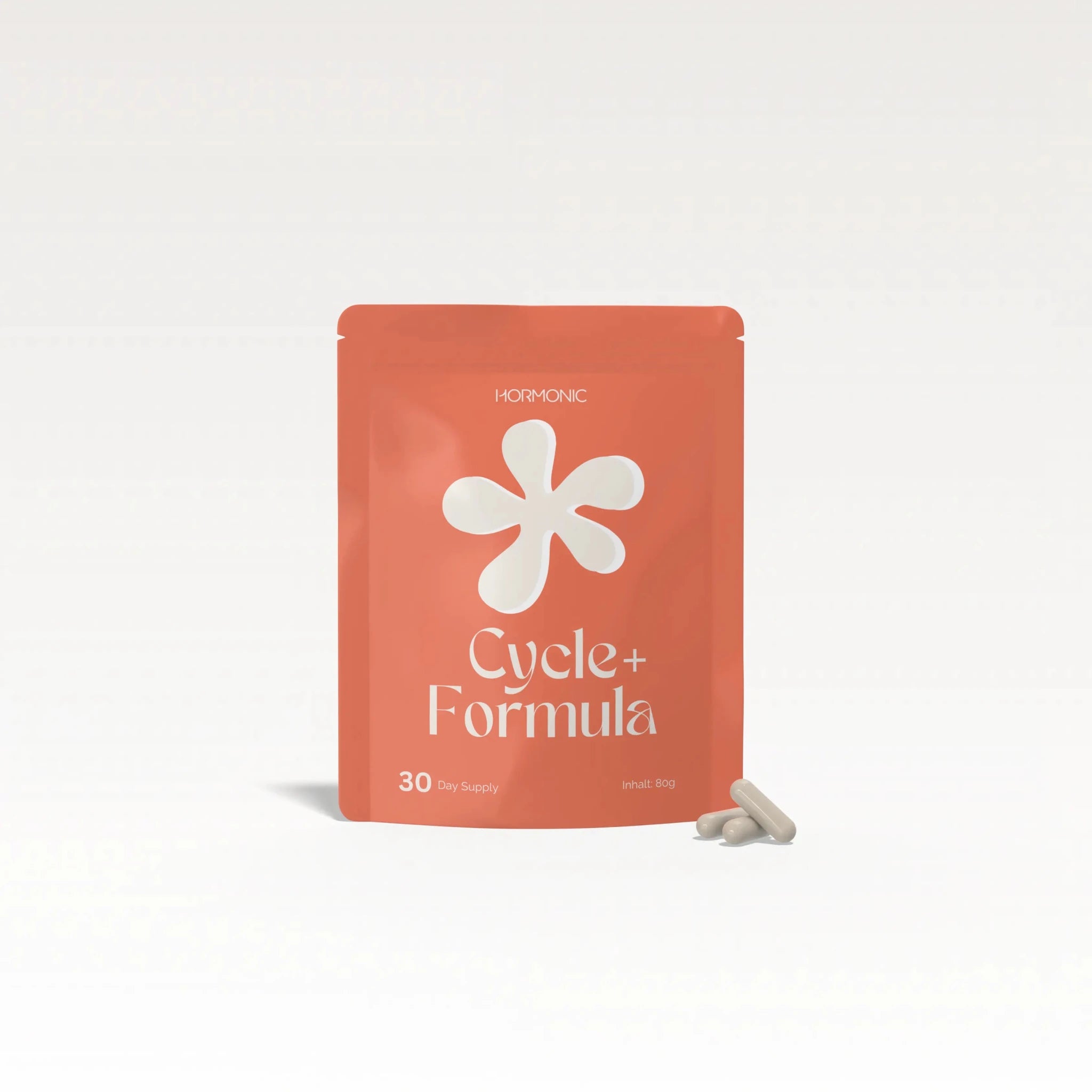
Cycle+ Formula: the natural way
The effect of GLP-1 injections on fertility is mediated by weight and insulin. This is precisely the axis that Cycle+ Formula addresses: it combines Myo- and D-Chiro-Inositol, which are being studied in relation to insulin metabolism and ovulation, as well as zinc, which contributes to normal fertility and reproduction.
€75,00

Questions about weight loss injections, menstrual cycle, and desire to have children?
In a free 15-minute consultation, one of our doctors will address your questions about GLP-1, contraception, and family planning, without obligation and tailored to your needs.
Common Questions About Ozempic, Fertility, and Contraception
Can I get pregnant while on Ozempic, even if I'm using contraception?
Why are women suddenly getting pregnant on GLP-1 shots?
Wie lange muss ich Ozempic vor einer geplanten Schwangerschaft absetzen?
Sind Ozempic oder Mounjaro in der Schwangerschaft gefährlich?
Scientific Sources
- Mounjaro (Tirzepatide), US Prescribing Information (Eli Lilly, 2022), Sections 7.2 and 12.3 on interaction with oral contraceptives.
- Ozempic and Wegovy (Semaglutide), Prescribing Information (Novo Nordisk, as of 2025): no expected weakening of oral contraceptives; discontinuation in case of planned pregnancy.
- Dao, K. et al. (2024). Use of GLP-1 receptor agonists in early pregnancy and reproductive safety: a multicentre cohort study. BMJ Open, 14. doi:10.1136/bmjopen-2023-083550
- Fitz, V. et al. (2024). Inositol for Polycystic Ovary Syndrome: A Systematic Review and Meta-analysis to Inform the 2023 Update of the International Evidence-based PCOS Guidelines. J Clin Endocrinol Metab, 109(6), 1630-1655. doi:10.1210/clinem/dgad762
- Pundir, J. et al. (2018). Inositol treatment of anovulation in women with polycystic ovary syndrome: a meta-analysis of randomised trials. BJOG, 125(3), 299-308. doi:10.1111/1471-0528.14754
- German Diabetes Association (2024). Statement on altered fertility under GLP-1 receptor agonists.
About the Author

You might also be interested in this.

Did you know that a natural form of “Ozempic” already exists in your body? The hormone GLP-1 (Glucagon-Like Peptide-1) plays a key role in weight management, blood sugar regulation, and appetite co...

How does inositol work for PCOS, what do studies show regarding ovulation, testosterone, and insulin resistance, and what is a sensible dosage? The evidence-based overview.

PCOS and a desire to have children? Learn which levers really improve your fertility with PCOS, according to science: lifestyle, nutrients, and medical support.