
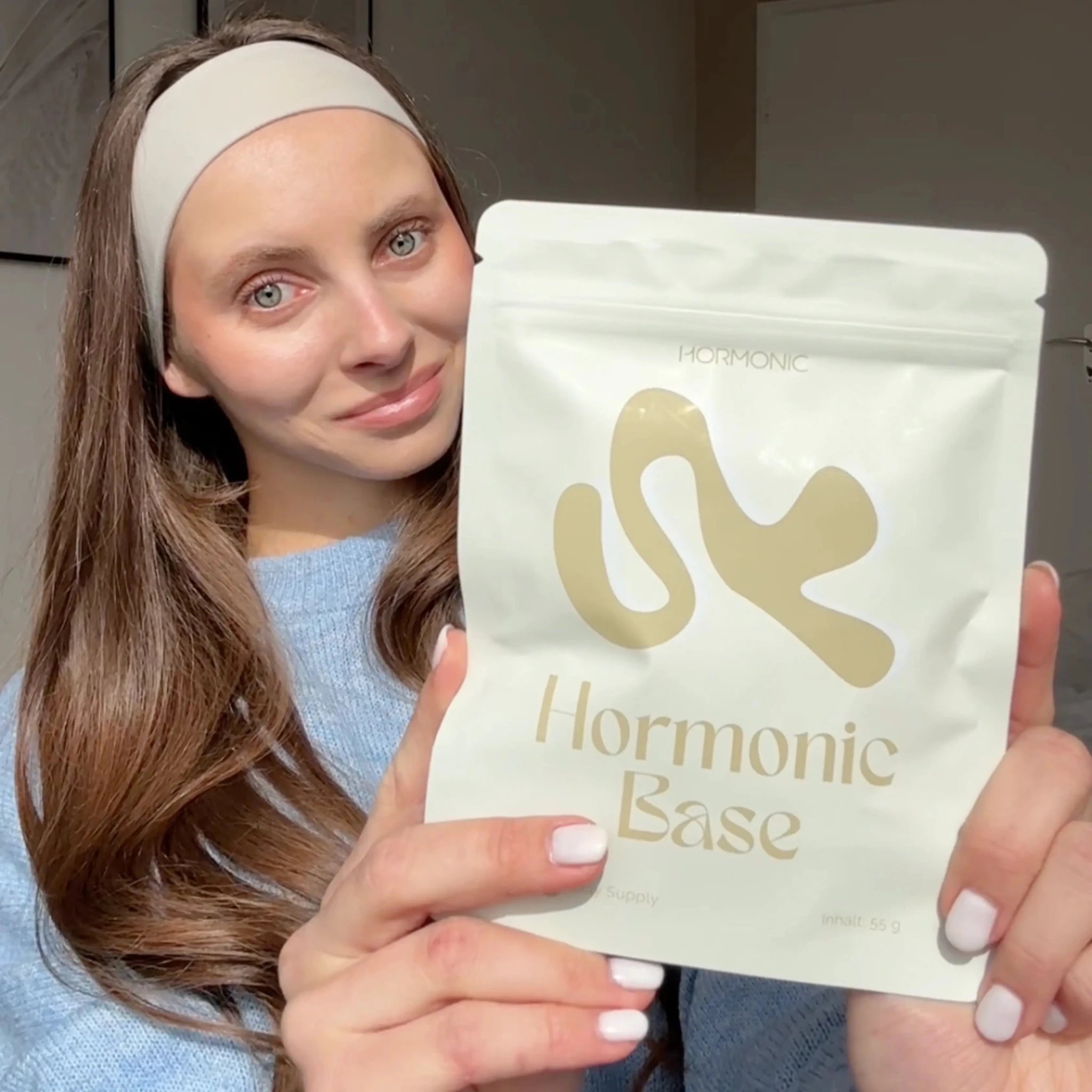
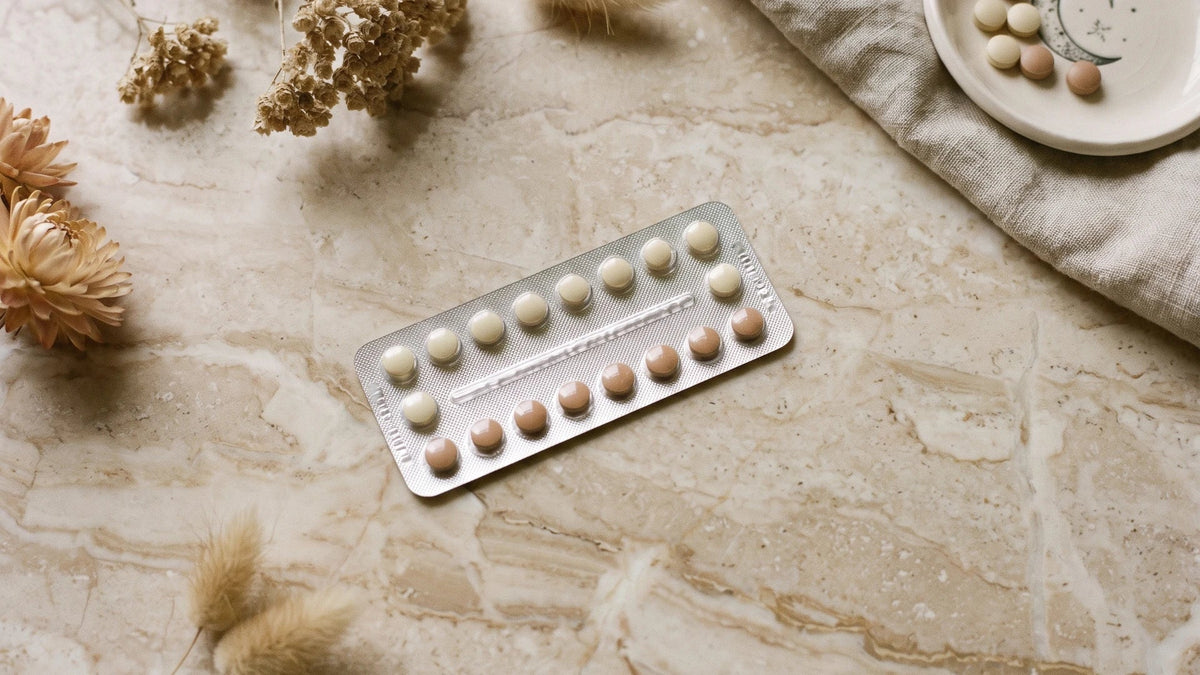
What does it really feel like to stop taking the pill? Here are experiences from women who have gone through exactly that: the first hormone-free weeks, the return of their own cycle, their skin, mood, and patience. No glossy facade, but honest insights, plus what helped many through the transition.
What women most commonly report after stopping the pill
If you're currently thinking about it or have just stopped: you can find a detailed medical classification of what happens in the body and for how long in our comprehensive guide to stopping the pill. Here, we focus on the experiences and personal accounts of women who have already stopped taking the pill.
- The first bleeding after stopping is often a withdrawal bleed; the real cycle usually only returns after that.
- Women who had no micronutrient deficiencies before and during stopping the pill and took supplements reported fewer symptoms.
- Skin, hair, and mood fluctuate most in the first few months before settling down.
- Many describe more energy and a clearer perception of their own cycle.
- A calm routine, patience, and targeted nutrients make the transition phase easier for many.
Free Self-Test · approx. 2 minutes
Is stopping right for you right now? Take the check.
Answer a few questions about your cycle, symptoms, and life stage and receive a personal assessment. Anonymous, no registration needed to start.
To the self-test →The typical timeline, as experienced by women
- Weeks 1 to 4: Withdrawal bleeding, often a feeling of "finally free," sometimes water retention that subsides.
- Months 1 to 3: Skin may rebel (androgen rebound), cycle still irregular, mood volatile.
- Months 3 to 6: The natural cycle slowly regulates itself, many recognize their cycle phases for the first time.
- Months 6 to 12: For most, everything has settled down; skin, cycle, and energy are more stable.
Testimonials
After stopping, my cycle was completely out of whack at first; I thought something was wrong with me. After about four months, it came back on its own. In retrospect, I should have just told myself earlier: give your body time."
PLACEHOLDER – Topic: Cycle return & patience · ~40 words · honest, reassuring
My skin really broke out two months after stopping. I kept my routine calm and took my Hormonic nutrients daily, which made me feel like I was at least doing something good for myself. After half a year, my skin was significantly calmer."
What surprised me most: I feel emotionally like myself again. The first few weeks were shaky, but now I support my body daily with micronutrients for my hormone production and feel my energy much more clearly throughout my cycle."
We wanted to get pregnant, so I stopped. I used the time to really get to know my cycle and concurrently took Myo-inositol, zinc, and co. from Cycle+. It took a few cycles for everything to become regular."
The hair loss three months after stopping really scared me. Luckily, that subsided. I wish someone had told me beforehand that this can be a completely normal transition phase and that I don't need to take biotin, but rather cover the basics like folate and zinc."
Common questions about experiences with discontinuing the pill
How long does it take for the body to adjust after discontinuation?
Is bad skin and hair loss normal after stopping?
Kann ich das Absetzen aktiv unterstützen?
Kann ich direkt nach dem Absetzen schwanger werden?
Scientific Sources
- Gnoth C et al. (2002). Cycle characteristics after discontinuation of oral contraceptives. Gynecol Endocrinol 16(4):307-317.
- Mansour D et al. (2011). Fertility after discontinuation of contraception: a comprehensive review. Contraception 84(5):465-477.
- IQWiG. Contraception: What you should know about stopping. gesundheitsinformation.de
You might also be interested in this.

Are you considering discontinuing the pill, or have you already done so? This guide provides evidence-based information on what happens in your body, typical side effects and symptoms, and how long...
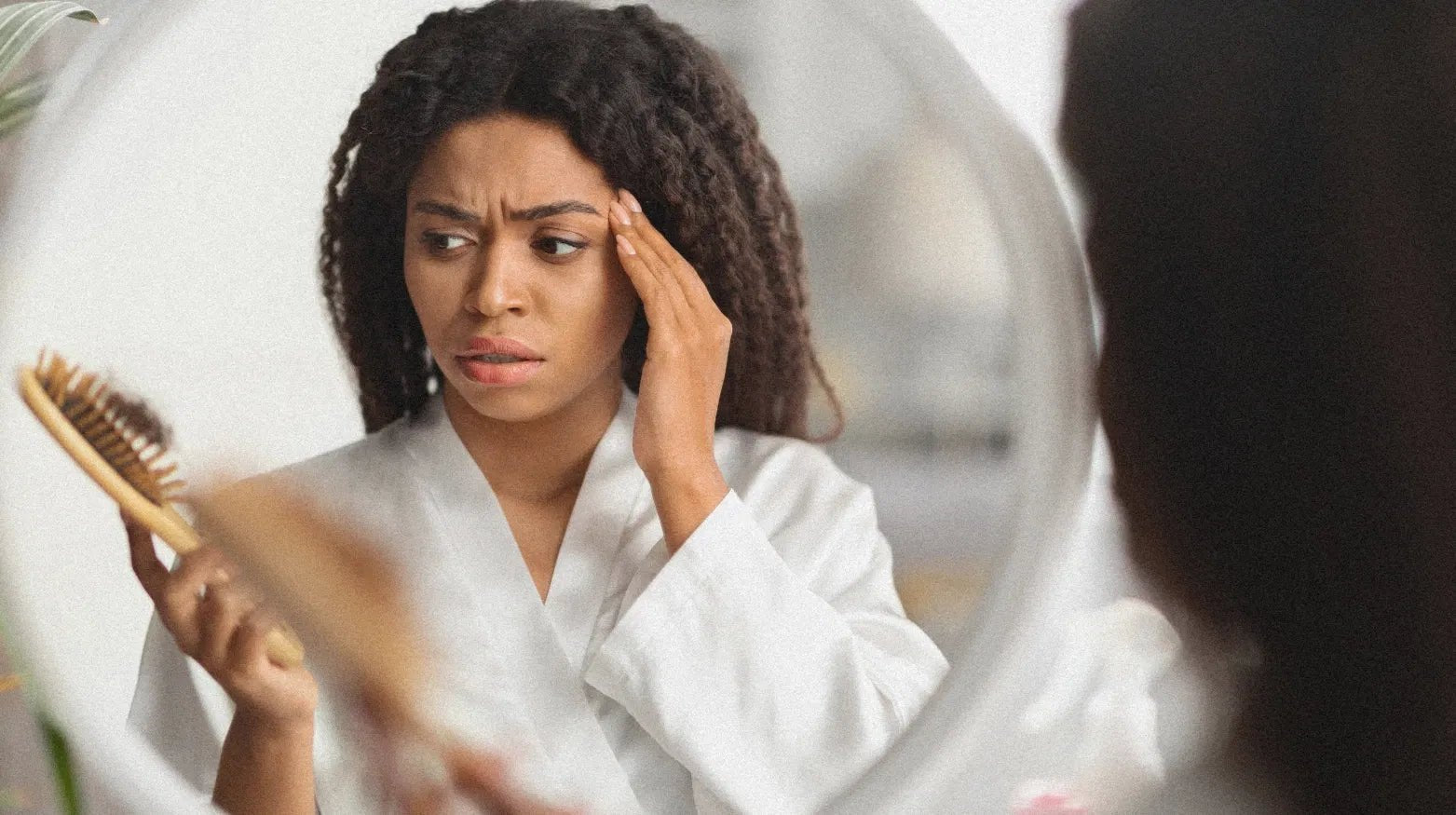
You’ve stopped taking the pill and are suffering from hair loss? You’re not alone. According to a recent study, this affects a full 26% of all women who stop taking the pill. Despite the significan...
Many women notice changes on the scale after stopping the pill. Learn what's biologically behind it, how long it takes, and what really helps.