




You have stopped taking the pill, and suddenly the scale shows a higher number. This is a common experience that is well-explained biologically. In this article, you will learn what is actually happening in your body, what distinguishes real weight gain from water retention, and what concrete steps you can take.
You stop taking the pill, continue living as usual, and suddenly the scale shows two or three kilos more. You might know the feeling: clothes feel tighter, the belly feels bloated. But is that really fat accumulating? The answer is short: usually not.
Stopping the pill and weight: What is normal?
After stopping the pill, weight fluctuations are usually water and not fat. They generally level off within 4 to 8 weeks, and in the second half of the cycle, 1 to 2 kilos more is normal. If there is a change of more than 5 kilos or if your cycle has not returned after three months, it is worth consulting a doctor.
| Timeframe | What happens on the scale | What you can do |
|---|---|---|
| First 4 to 8 weeks | Water shifts, the scale may fluctuate | Wait and observe |
| Over the cycle | 1 to 2 kg more in the second half of the cycle, that is normal | Compare the same cycle days, not day by day |
| After 3 months | Cycle not yet back or more than 5 kg change | Get medical clarification and have blood work done |
Some women also lose weight during this time because pill-related water retention dissipates. We explain why this is so below in the section on fluid shifts. You can find more about side effects and the cycle after stopping in the guide to stopping the pill.
What research really says
Weight gain is one of the most frequently cited reasons why women stop taking the pill or don't start at all. This narrative is deeply rooted, even if the data shows a different picture. We have broken down in detail here whether weight gain from the pill during use is actually proven.
A Cochrane review with 49 randomized controlled trials reached a clear conclusion: combined hormonal contraceptives, i.e., pill, patch, and vaginal ring, are on average weight-neutral (Gallo et al. 2014). Placebo-controlled studies found no statistically significant difference in body weight between users and non-users.
The situation is different with the birth control injection (DMPA). Here, a Cochrane analysis shows that users can gain an average of about 2 kg in 6 to 12 months (Lopez et al. 2016). But DMPA is not a pill, and this data concerns discontinuing the injection, not combined oral contraceptives.
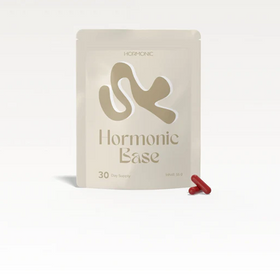
The Micronutrients That Matter Right Now
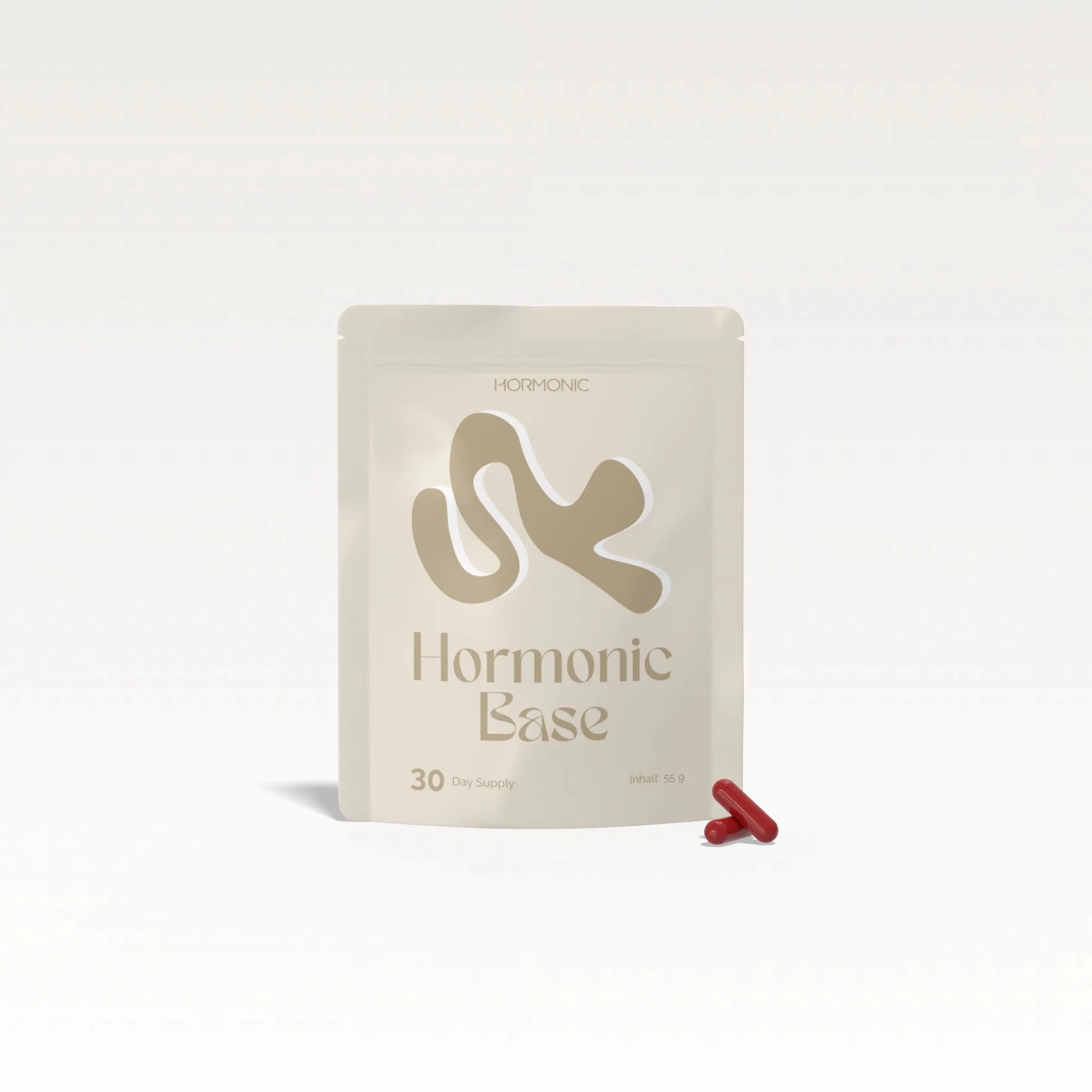
Vitamin D3, K2, selenium, zinc, NAC, and 11 other active ingredients support your body in finding its way back to a stable hormonal rhythm after coming off the pill. Developed specifically for this transition phase.

The Power Bundle for Metabolism & Hormones
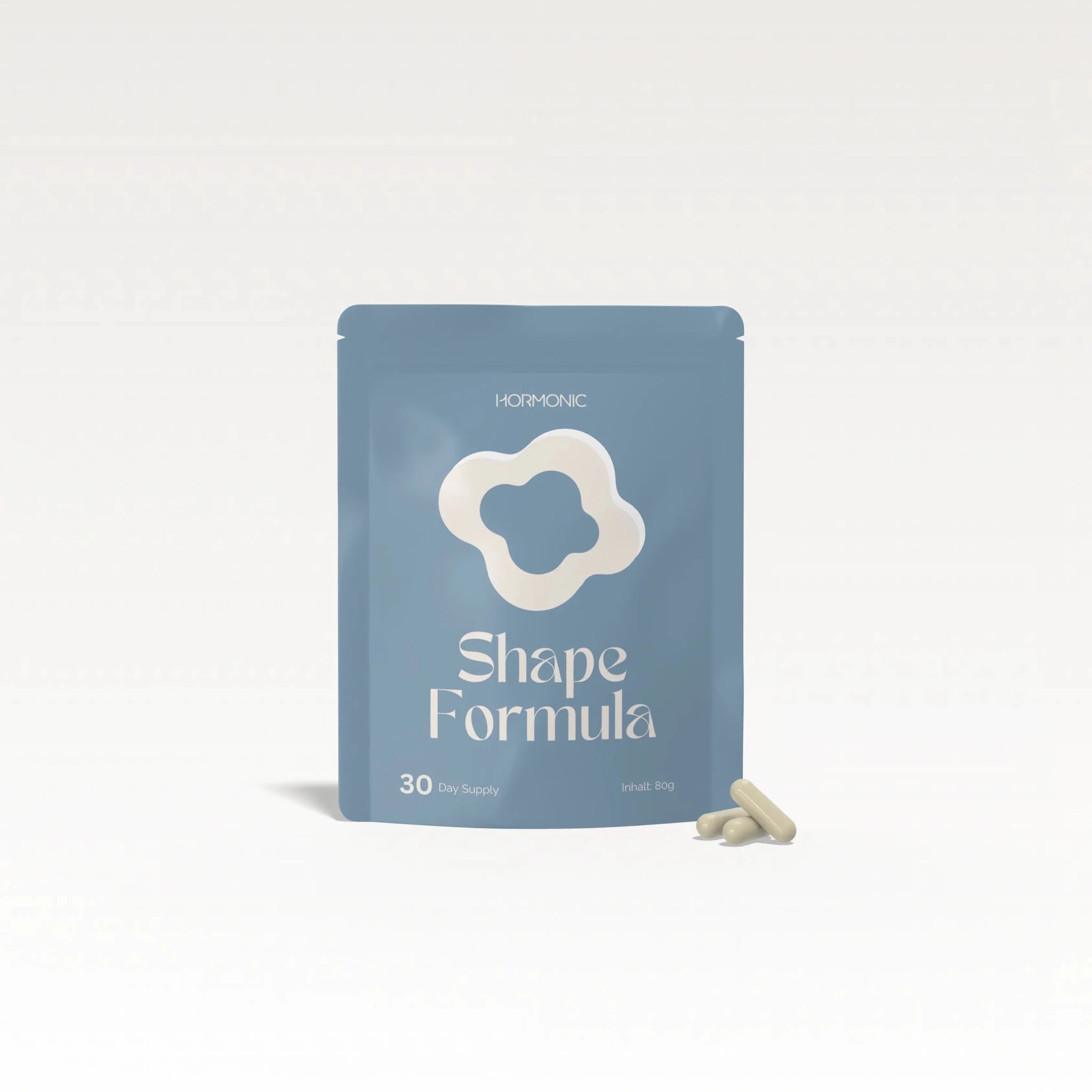
The combination of Hormonic Base and Shape Formula not only provides you with the 16 essential active ingredients from Hormonic Base, but also supplements them with 10 targeted active ingredients for metabolism and blood sugar. Developed by doctors and loved by thousands of women.
Common questions about weight gain after stopping the pill
How long does weight gain after stopping the pill last?
Do you really gain weight after stopping the pill?
Wie viel Gewicht ist nach dem Absetzen der Pille normal?
Scientific Sources
- Gallo MF, Lopez LM, Grimes DA, et al. (2014). Combination contraceptives: effects on weight. Cochrane Database Syst Rev. doi:10.1002/14651858.CD003987
- Lopez LM, Ramesh S, Chen M, et al. (2016). Progestin-only contraceptives: effects on weight. Cochrane Database Syst Rev. doi:10.1002/14651858.CD008815
- Butureanu T, Apetrei A-M, Balan RA, et al. (2026). Contraceptive-Induced Weight Gain: Myth and Reality Review. Life. 16(4):553. doi:10.3390/life16040553
- Stachenfeld NS, Keefe DL. (2002). Estrogen effects on osmotic regulation of AVP and fluid balance. Am J Physiol Endocrinol Metab. 283(4):E711-E721
- Stachenfeld NS. (2008). Sex hormone effects on body fluid regulation. Exerc Sport Sci Rev. 36(3):152-159. doi:10.1097/JES.0b013e31817be928
- Stachenfeld NS. (2014). Hormonal changes during menopause and the impact on fluid regulation. Reprod Sci. doi:10.1177/1933719113518992
- Reproductive Health Access Project. (2026). Hormonal Contraception and Weight: What is the Evidence? reproductiveaccess.org
About the Author

You might also be interested in this.
The pill can lower folate, B vitamins, magnesium, zinc, and other micronutrients. Find out which ones are affected, what symptoms this causes, and how you can specifically protect your supply.

You’ve stopped taking the pill and are suffering from hair loss? You’re not alone. According to a recent study, this affects a full 26% of all women who stop taking the pill. Despite the significan...

The pill or the hormonal IUD? We explain the scientifically sound effects, advantages, and risks of both contraceptives and provide you with medically reviewed guidance to help you make an informed...