
Cart

Your cart is empty

Continue shopping

Trending searches

Featured products

Hormonic Base - Hormonic - Nahrungsergänzungsmittel
Sale price€65,00
(5.0)
Midlife Formula - Hormonic - Nahrungsergänzungsmittel
Sale price€75,00
(5.0)
Resveratrol und Pterostilben: Wirkung auf Hormone und PCOS - Hormonic
MikronährstoffeSep 16, 20248 min read

Resveratrol and Pterostilbene: Effects on Hormones and PCOS

This article is part of: Micronutrients and Hormones: The Female Guide

Resveratrol and pterostilbene are two polyphenols found in grapes and blueberries, which are touted as antioxidants and hormone regulators. But how well is their efficacy really proven? This article provides an honest assessment of the study situation, including areas where the evidence is contradictory.

Key takeaways

Resveratrol and pterostilbene are related polyphenols. Resveratrol is well-researched, but the PCOS results are contradictory. Pterostilbene is better absorbed, but the efficacy data comes almost exclusively from animal studies. Both are interesting supplements, not miracle cures.

What it's about
A promising plant compound for your hormone balance

Resveratrol, specifically the readily absorbable trans-form, is one of the most well-researched polyphenols for female hormone balance. Several studies on PCOS observed positive effects on testosterone and insulin sensitivity. Not every study shows the same effect, which we honestly explain here. Pterostilbene, its close relative from blueberries, is even better absorbed, but its efficacy data so far primarily comes from animal studies.

~80%
Bioavailability of pterostilbene, compared to about 20 to 30 percent for resveratrol
105 vs 14
Minutes half-life, pterostilbene vs. resveratrol
Testosterone ↓
Several RCTs observed lower androgen levels in PCOS with trans-resveratrol

What are Resveratrol and Pterostilbene?

Resveratrol is a natural polyphenol found primarily in the skin of red grapes, as well as in nuts and berries. In its readily absorbable trans-form, it is researched for its antioxidant and anti-inflammatory properties and described as a phytoestrogen that can bind to estrogen receptors and modulate their activity. Precisely this hormonal connection makes it particularly interesting for women's health.

Pterostilbene is structurally closely related to resveratrol, is found mainly in blueberries, and differs in one crucial aspect: it is more fat-soluble, which means it is absorbed significantly better and remains active in the body for longer. On paper, this is an advantage. However, whether this translates into a stronger effect in humans is still an open question.

The form is crucial: most positive studies on PCOS use readily absorbable trans-resveratrol.

Did you know that

The amounts of resveratrol used in studies are hardly achievable through diet? A glass of red wine only provides a fraction of it. The doses of several hundred milligrams of high-quality trans-resveratrol used in studies practically always come from extracts, not from food.
Resveratrol for PCOS: Promising Studies, Honestly Classified

Resveratrol is one of the most exciting plant-based candidates for PCOS, and there are good reasons for this. In a double-blind, placebo-controlled study by Banaszewska and colleagues, Trans-Resveratrol significantly lowered androgen levels over three months, accompanied by improved insulin sensitivity. A 2023 meta-analysis across several studies also found reductions in testosterone, LH, and DHEAS, precisely the hormones typically elevated in PCOS.

On the other hand, honesty requires acknowledging the other side: another meta-analysis, published in the journal Endocrine in 2024, found no significant effect on testosterone, FSH, LH, BMI, or hirsutism, but did find improvements in prolactin, acne score, and cholesterol. Thus, depending on which studies are summarized, the picture differs. The reason lies less in the active ingredient itself than in the study situation: the studies are small, use different dosages, and are short-term.

One detail is often overlooked and is crucial: the form. Resveratrol is quickly broken down in the body, and the well-absorbable trans-form is precisely the variant used in most positive studies. Therefore, anyone wishing to supplement with Resveratrol should look for high-quality Trans-Resveratrol, sensibly combined with active ingredients that are better supported by evidence in PCOS.

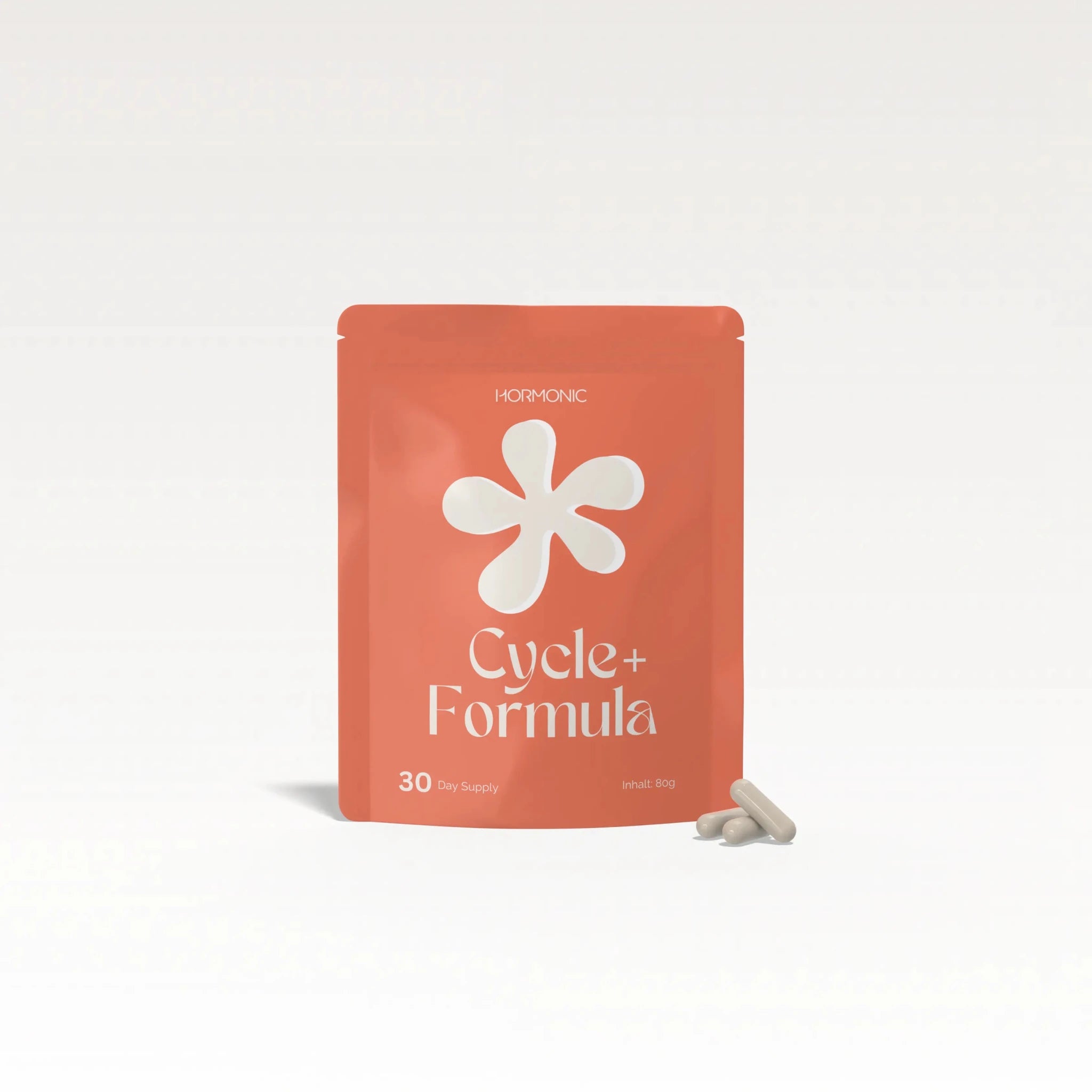
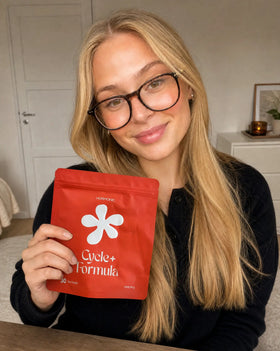
Our Cycle+ Formulafollows exactly this approach: It contains Trans-Resveratrol in the well-absorbable form, combined with Myo-Inositol, D-Chiro-Inositol, Zinc, Quercetin, and Apigenin. This combination bundles active ingredients that are associated with ovulation, hormone balance, and insulin sensitivity in research, instead of using Resveratrol in isolation.

Pterostilbene: Better Absorption, Thinner Data Situation

Pterostilbene is considered the more exciting of the two substances due to its better bioavailability. In research, it is associated with anti-inflammatory effects, modulation of cytokines such as IL-6 and TNF-alpha, and a possible improvement in insulin sensitivity.

The source of these findings is important here. Data on insulin sensitivity and the gut microbiome mainly come from animal studies, such as investigations in rats, where Pterostilbene reduced fat mass and favorably altered the microbiome. In humans, Pterostilbene has been well-tolerated in a safety study at up to 250 mg daily, but specific efficacy studies in PCOS are currently lacking.

Pterostilbene is therefore a highly interesting substance with a good theoretical basis, but its benefits in humans have not yet been confirmed in larger clinical studies.

Cycle+ Formula: Trans-Resveratrol plus Inositol for Your Hormone Balance

Cycle+ combines highly absorbable trans-resveratrol with myo-inositol, D-chiro-inositol, zinc, quercetin, and apigenin – precisely the active ingredients researched in the context of PCOS and cycle health. Doctor-developed, manufactured in Austria, as a coordinated concept rather than isolated individual substances.

€75,00

Save 20% with a subscription

What the two substances could affect

When summarizing the research, several areas emerge in which resveratrol and pterostilbene are being investigated. It is important to note that these are discussed correlations, not confirmed promises of efficacy:

  • Hormone regulation: In individual studies, markers such as testosterone, LH, and DHEAS decreased under resveratrol. Other studies found no effect.
  • Insulin sensitivity: Both substances are associated with a more favorable glucose metabolism, with pterostilbene primarily in preclinical studies.
  • Inflammation and oxidative stress: a consistent theme in laboratory research, but less clear clinically.
  • Gut microbiome: Pterostilbene favorably altered the bacterial composition in animal studies; human data is lacking.

What foods contain them?

Resveratrol is found primarily in red grape skins and to a lesser extent in red wine. Pterostilbene is found primarily in blueberries. However, the amounts in normal portions are small, well below the doses used in studies. A polyphenol-rich diet with berries, grapes, and colorful vegetables is still useful because it provides many different protective plant compounds, not just these two.

Who is this relevant for?

If you have PCOS, resveratrol and pterostilbene are among the substances being researched as supplementary building blocks, alongside better-established approaches such as myo-inositol, diet, and exercise. They are not a substitute for medical treatment and not a guarantee of changes. Anyone wishing to try them should do so as part of an overall concept and with realistic expectations.

The most important points at a glance

  • Resveratrol is well-researched, but the results for PCOS are contradictory, and a reliable effect has not been proven.
  • Pterostilbene is better absorbed, but the efficacy data primarily comes from animal and laboratory studies.
  • Both are associated with hormones, insulin, and inflammation, much of which is preclinical.
  • Through diet alone therapeutic doses are hardly achievable.
  • Conceivable as a supplement, but no substitute for proven measures and medical supervision.

Unsure what makes sense for you?

Which active ingredients really help in your situation cannot be said across the board. In a telemedical video consultation, we will assess this together, with a sound medical basis and without promises.

Free initial consultation

Conclusion

Resveratrol and pterostilbene are fascinating plant compounds with a good theoretical basis for hormonal and metabolic health. However, to be honest: the clinical evidence for resveratrol in PCOS is mixed, and for pterostilbene, it still relies heavily on animal studies. Both are interesting supplements, not miracle cures.

They are most effective when integrated into an overall concept of a polyphenol-rich diet, well-proven active ingredients, and a healthy lifestyle. If you are unsure what makes sense for you, a medical consultation is worthwhile.

Frequently Asked Questions about Resveratrol and Pterostilbene

Does resveratrol help with PCOS?

The study situation is mixed. Individual studies and one meta-analysis showed reductions in testosterone, LH, and DHEAS, while another meta-analysis from 2024 found no significant effect on these hormone levels. Resveratrol is considered promising, but a reliable effect in PCOS has not been clearly demonstrated.

What is the difference between resveratrol and pterostilbene?

Both are structurally related polyphenols. Pterostilbene is absorbed significantly better, about 80 percent compared to 20 to 30 percent for resveratrol, and remains active in the body longer. However, the efficacy data for pterostilbene primarily comes from animal studies, whereas resveratrol has been investigated in more human studies.

Kann ich genug Resveratrol über Lebensmittel aufnehmen?
In der Regel nicht in den Mengen, die in Studien verwendet werden. Rote Trauben, ihre Schalen und Rotwein enthalten Resveratrol, aber nur in kleinen Mengen. Die untersuchten Dosen von mehreren hundert Milligramm sind über normale Portionen kaum erreichbar. Eine polyphenolreiche Ernährung ist trotzdem sinnvoll.
Sind Resveratrol und Pterostilben sicher?
In Studien wurden beide Stoffe überwiegend gut vertragen, Pterostilben in einer Sicherheitsstudie bis 250 mg täglich. Wie bei allen Nahrungsergänzungsmitteln gilt: Bei Erkrankungen, in Schwangerschaft oder Stillzeit sowie bei Medikamenteneinnahme solltest du vor der Einnahme ärztliche Rücksprache halten.

Scientific Sources

  • Fadlalmola H.A. et al. (2023). Efficacy of resveratrol in women with polycystic ovary syndrome: a systematic review and meta-analysis of randomized clinical trials. Pan African Medical Journal, 44, 134. doi:10.11604/pamj.2023.44.134.32404
  • Larik M.O. et al. (2024). Effects of resveratrol on polycystic ovarian syndrome: a systematic review and meta-analysis of randomized controlled trials. Endocrine, 83(1), 51-59. doi:10.1007/s12020-023-03479-4
  • Banaszewska B. et al. (2016). Effects of resveratrol on polycystic ovary syndrome: a double-blind, randomized, placebo-controlled trial. Journal of Clinical Endocrinology & Metabolism, 101(11), 4322-4328.
  • Bahramrezaie M. et al. (2019). Effects of resveratrol on VEGF and HIF1 genes expression in granulosa cells in infertile women with PCOS: a randomized clinical trial. Journal of Assisted Reproduction and Genetics, 36(8), 1701-1712.
  • Etxeberria U. et al. (2017). Pterostilbene-induced changes in gut microbiota composition in relation to obesity. Molecular Nutrition & Food Research, 61(1). doi:10.1002/mnfr.201500906
  • Riche D.M. et al. (2013). Analysis of safety from a human clinical trial with pterostilbene. Journal of Toxicology, 2013, 463595.

About the Author

Lisa Maria Emmer

Lisa Maria Emmer

Founder · Physician · Hormonic

Lisa Maria Emmer is co-founder and Medical Director at Hormonic. She specialises in cycle health, PCOS, and menopause.

Note: This article is based on current scientific work (as of 2026). It is for informational purposes only and does not replace medical advice, diagnosis, or treatment. If you have existing medical conditions, are pregnant or breastfeeding, or are taking medication, you should consult a doctor before taking any supplements.

Share

You might also be interested in this.
Welche Supplements sollten Frauen täglich nehmen? Der evidenzbasierte Stack - Hormonic
MikronährstoffeDec 8, 20259 min read
Which supplements should women take daily? The evidence-based stack

These 4 supplements are recommended daily by science for women: Micronutrient basis, Omega-3, Creatine, and targeted gut-hormone add-ons. Without hype, with a study basis.
Quercetin bei PCOS: Wirkung auf Hormone, Insulin und Entzündung - Hormonic
MikronährstoffeAug 22, 20248 min read
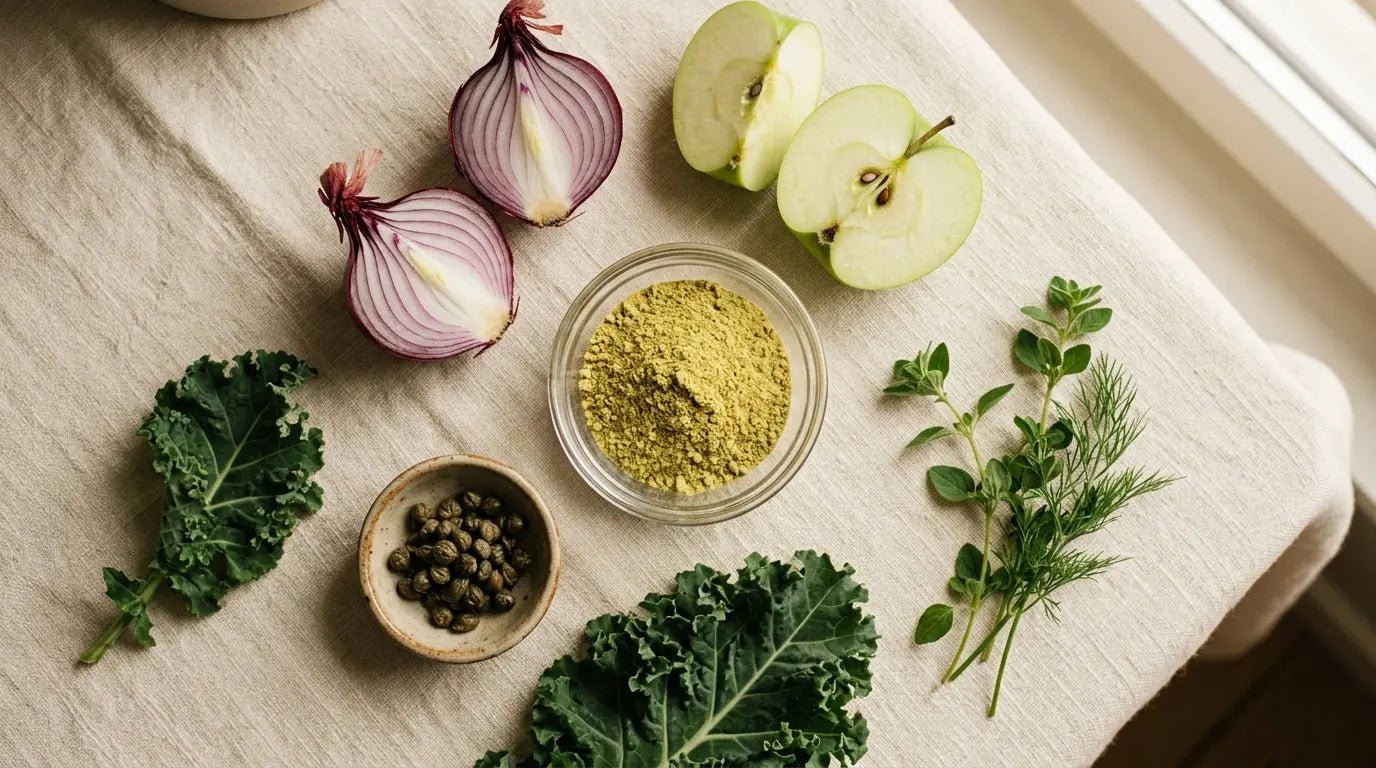
Quercetin in PCOS: Effect on Hormones, Insulin, and Inflammation

If you suffer from hormonal disorders such as polycystic ovary syndrome (PCOS), quercetin could be just the right ingredient for you. Quercetin is a flavonoid found in many fruits and vegetables an...

Myo-Inositol bei PCOS: Wirkung, Studien & Dosierung - Hormonic
FruchtbarkeitMay 31, 202610 min read
Myo-inositol for PCOS: Effects, Studies & Dosage

How does inositol work for PCOS, what do studies show regarding ovulation, testosterone, and insulin resistance, and what is a sensible dosage? The evidence-based overview.