Cart

Your cart is empty

Continue shopping

Trending searches

Featured products

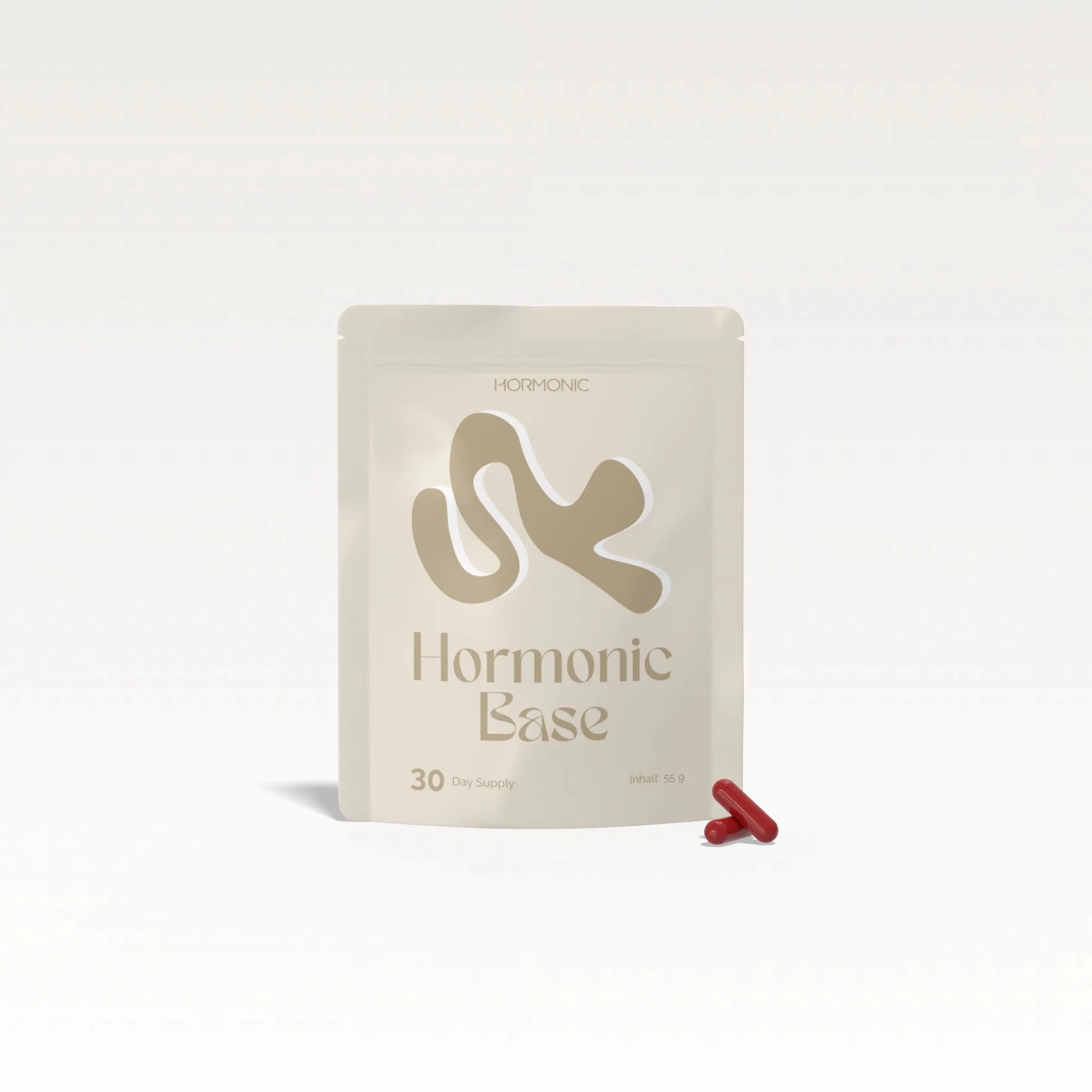
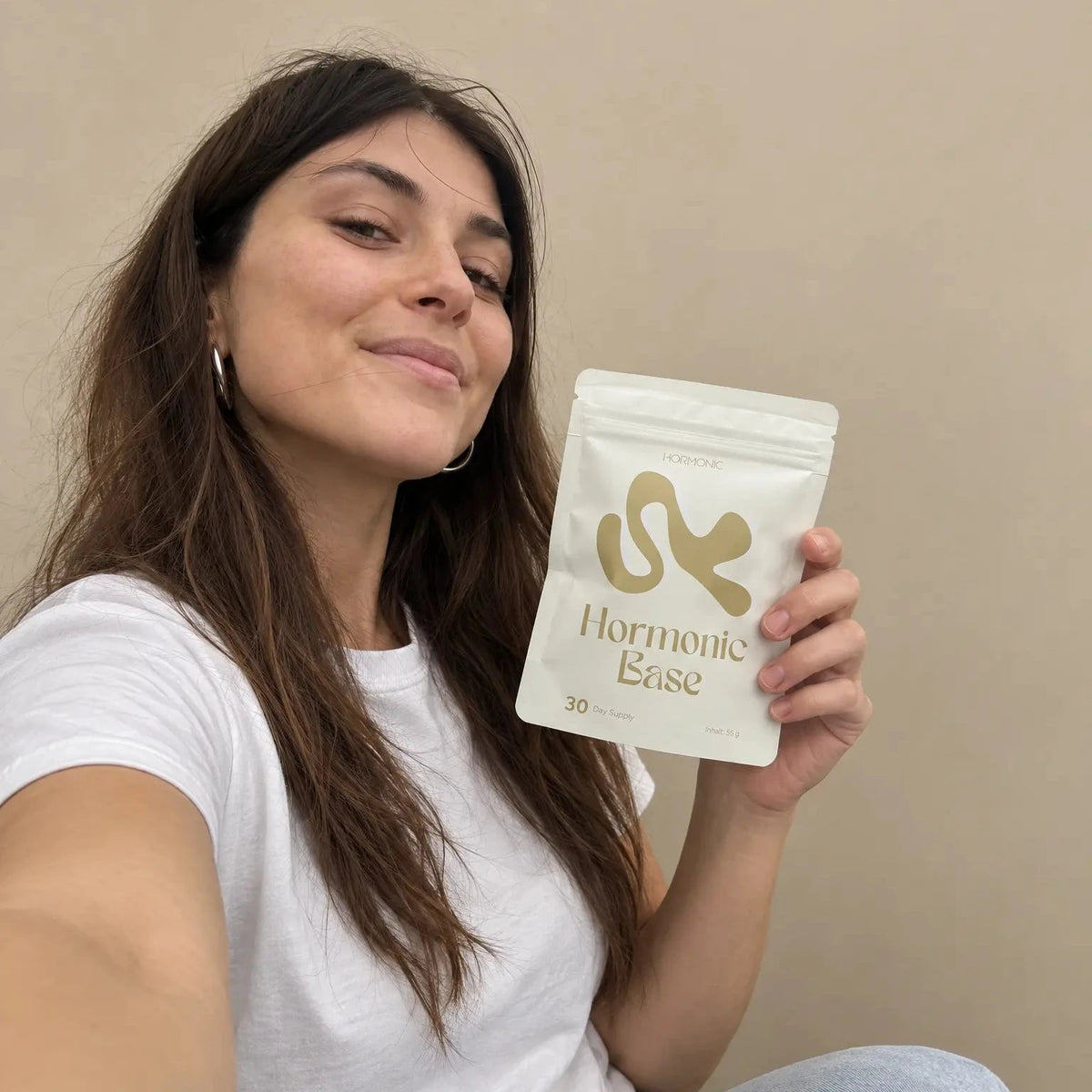
Hormonic Base - Hormonic - Nahrungsergänzungsmittel
Sale price€65,00
(5.0)
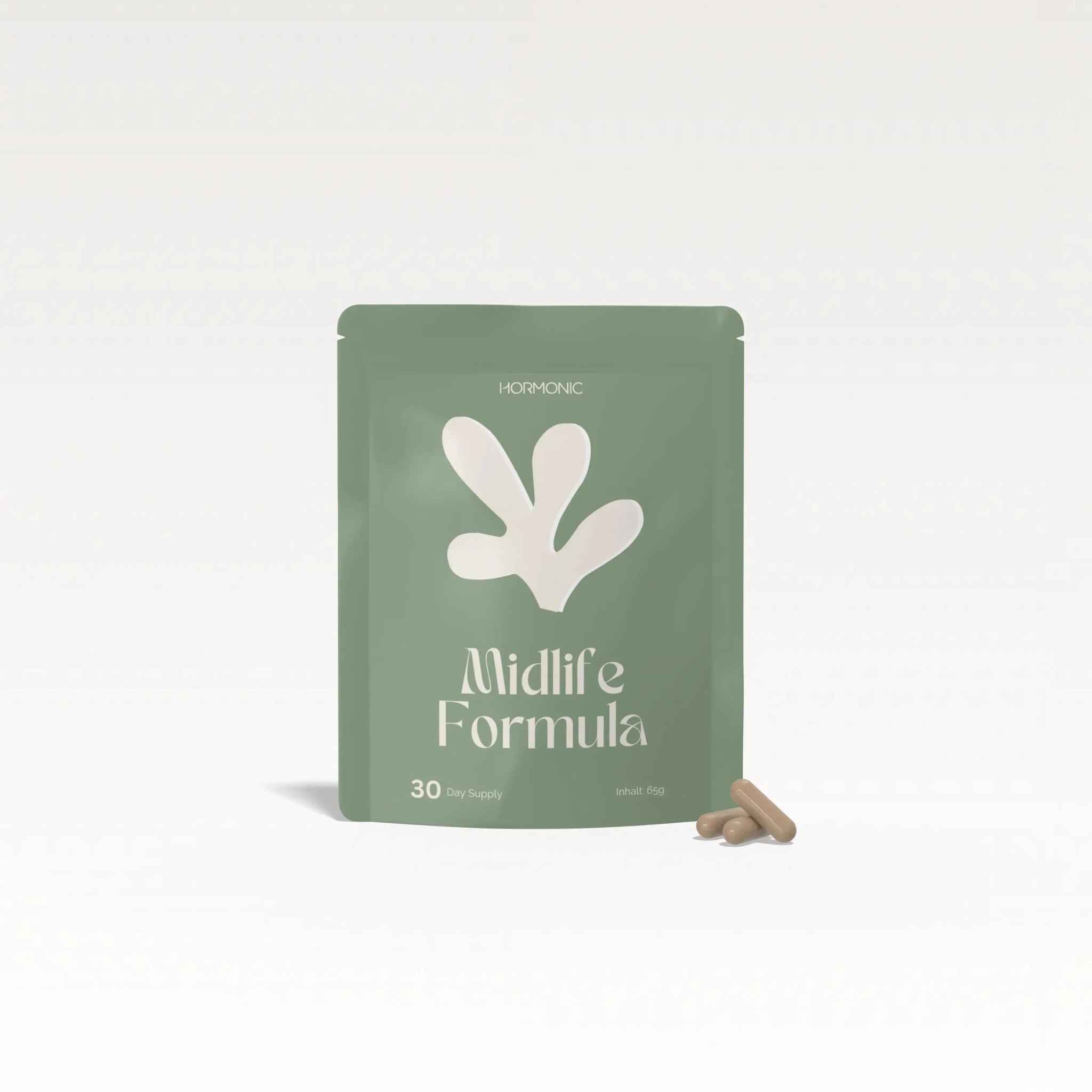
Midlife Formula - Hormonic - Nahrungsergänzungsmittel
Sale price€75,00
(5.0)
Serotonin: Wirkung, Mangel und wie Du es natürlich unterstützt - Hormonic
HormoneAug 10, 20268 min read

Serotonin: Effects, Deficiency, and How to Boost it Naturally

This article is part of: Micronutrients and Hormones: The Female Guide

Brief definition: Serotonin is an endogenous neurotransmitter that co-regulates mood, sleep, appetite, and digestion. Most of it is not produced in the head, but in the gut – in the brain, serotonin forms its own pool and influences how balanced we feel.

Key points in brief

  • Serotonin is a neurotransmitter that helps regulate mood, sleep-wake cycle, appetite, and bowel movements, among other things.
  • Around 90–95% of the body's serotonin is located in the gut, not in the brain (Yano 2015).
  • Serotonin cannot simply be replenished "by tablet" – daylight, exercise, and sleep are among the most thoroughly researched natural levers (Young 2007, Lambert 2002).
  • The amino acid tryptophan is a building block; vitamin B6 is a cofactor in serotonin production.
  • In women, the serotonin system fluctuates with estrogen levels – one reason why mood can shift before menstruation (Bethea 2002).
  • Vitamin B6 contributes to normal psychological function and the regulation of hormonal activity (EFSA).

I studied psychology, and yet hardly any neurotransmitter has accompanied me for as long as serotonin – both privately and professionally. "Too little serotonin" has become the everyday explanation for every low mood, and honestly, that often falls short.

That's why I want to take the time here to clarify what serotonin really is, what it does in the female body – and what you can realistically do yourself, without being talked into expensive "serotonin boosters."

What is serotonin and what does it do in the body?

Serotonin (5-hydroxytryptamine) is a neurotransmitter through which nerve cells exchange signals. In the brain, it is involved in mood, anxiety regulation, impulse control, and the sleep-wake cycle – serotonin is converted into the sleep hormone melatonin in the evening. However, the vast majority of serotonin is produced in the gut, where it regulates bowel movements; blood clotting and appetite are also influenced. Important: Serotonin from the gut does not reach the brain – both systems work separately. This explains why a single neurotransmitter has so many different functions.

Area Role of serotonin
Mood & Psyche Involved in balance, satisfaction, and impulse control
Sleep Precursor to melatonin, involved in the sleep-wake cycle
Appetite Influences satiety and craving for carbohydrates
Gut 90–95% of serotonin is produced here, regulates bowel movements
Cycle Serotonin system fluctuates with estrogen levels (relevant in PMS)

Did you know? About 90–95% of your serotonin is produced in the gut – not in the head. This is why gut health and well-being are more closely linked than was long thought (Yano 2015).
Serotonin Deficiency: How Can You Recognize It?

First, honestly: a "serotonin deficiency" in the brain cannot be measured directly. Standard measurements only capture serotonin outside the brain – which says nothing about the levels in the head. "Low serotonin" is therefore more an explanatory model than a measurable diagnosis.

Nevertheless, some complaints are associated with the serotonin system:

  • depressed, irritable, or fluctuating mood
  • sleep problems and rumination in the evening
  • cravings, especially for carbohydrates and sweets
  • inner restlessness and less composure

These symptoms are non-specific and can have many causes – from lack of sleep and stress to thyroid issues or iron deficiency. Real depression is significantly more than "too little serotonin" and should be clarified professionally. If your mood has been weighing on you for more than two weeks, please speak to a doctor.

Give your serotonin what it's actually made of

Serotonin doesn't appear out of thin air. Your body needs cofactors like vitamin B6 to build it, and that's exactly where Hormonic Base comes in. B6 supports normal psychological function and helps regulate hormonal activity, while a magnesium complex and folate look after your nervous system and help fight fatigue. 16 micronutrients, developed by doctors and lab-tested in Austria, in one daily capsule.

€65,00

Explore Hormonic Base

Naturally Boosting Serotonin: What Studies Show

The good news: some of the best-researched levers cost nothing. This is also the honest part – no "serotonin pill" beats daylight, exercise, and good sleep.

  • Daylight: In one study, brain serotonin production increased with the duration of bright daylight and was lowest in winter (Lambert 2002). Even 20–30 minutes outside in the morning can help.
  • Exercise: According to a review, regular, moderate exercise is among the non-pharmacological ways to support the serotonin system (Young 2007).
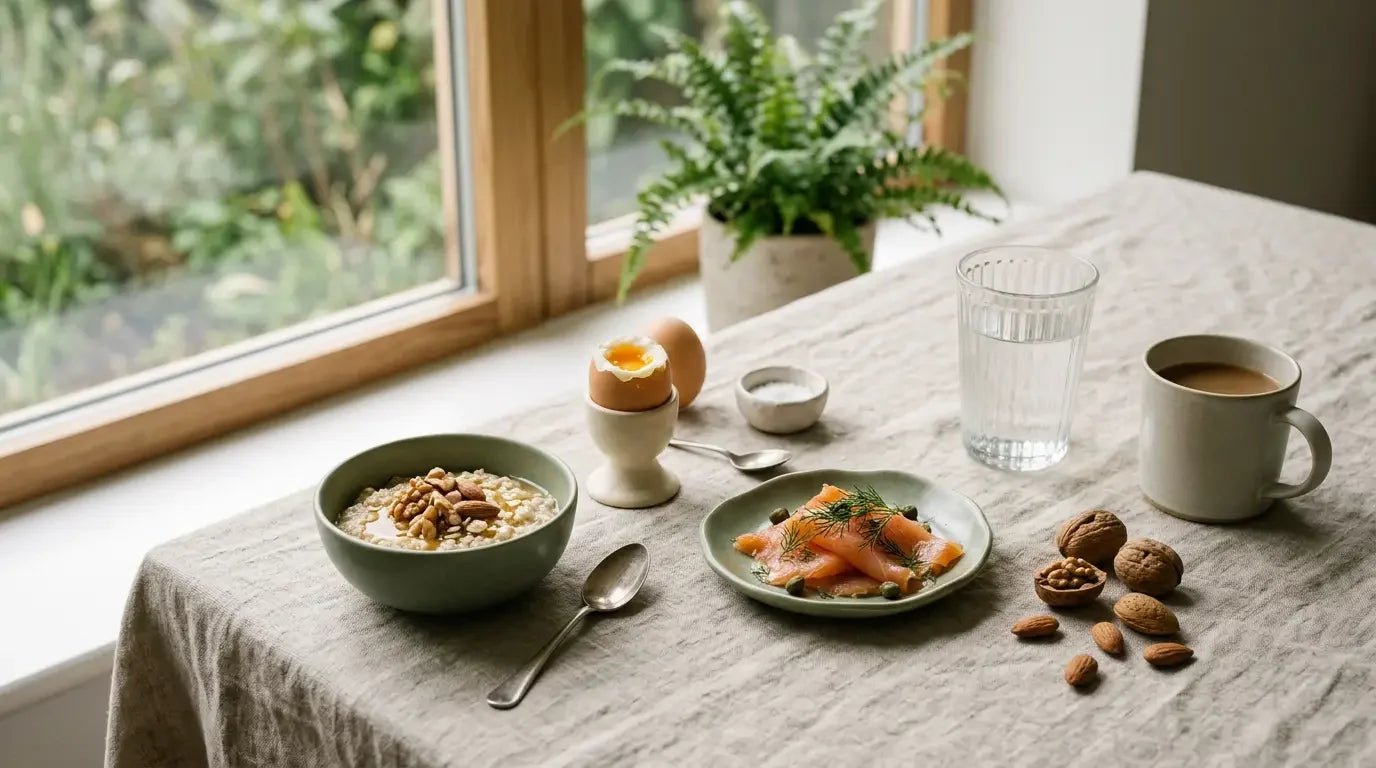
  • Tryptophan from food: This building block is found in eggs, fish, poultry, nuts, legumes, and oats. A healthy gut plays a role via the gut-brain axis (Jenkins 2016).
  • Sleep and stress reduction: Since melatonin is produced from serotonin in the evening, sleep and the serotonin system go hand in hand.

What you don't need: expensive "serotonin boosters" with big promises. Serotonin itself does not cross the blood-brain barrier – the building blocks and the surrounding lifestyle are crucial.

For the days when everything feels like a bit too much

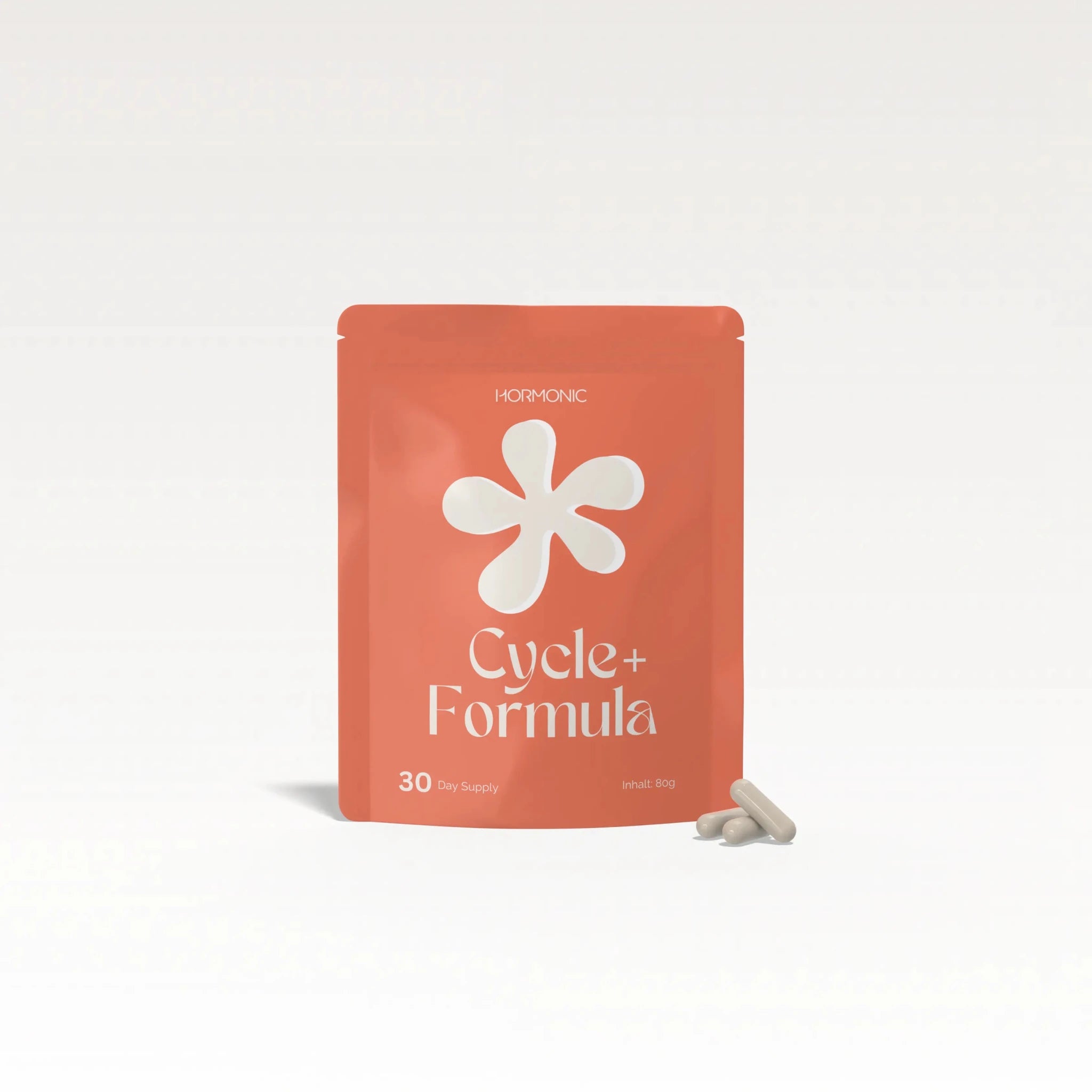
When your mood and sense of calm dip, especially in the second half of your cycle, Cycle+ works alongside your Base: with L-theanine and apigenin, plant compounds researched for relaxation and a calmer nervous system, plus zinc and myo-inositol to support your cycle. The add-on that rounds out your daily routine.

Explore Cycle+

Serotonin, the Female Cycle, and Vitamin B6

One point is particularly interesting for women: the serotonin system reacts to estrogen. Animal and human studies show that estrogens co-regulate serotonin signaling (Bethea 2002). Estrogen levels drop in the second half of the cycle – this is a plausible reason why mood, sleep, and cravings can worsen before a period. This exact link is discussed in relation to PMS and its more severe form, PMDD.

This is where vitamin B6 comes into play: it is a cofactor when the body produces serotonin from tryptophan. According to the EFSA, vitamin B6 contributes to normal psychological function, normal nervous system function, and the regulation of hormonal activity. This is precisely why B6 – alongside magnesium, folate, and other micronutrients – is part of our basic formula, Hormonic Base. Important: This does not replace a balanced diet, but rather ensures basic provision.

A final safety note: Anyone already taking antidepressants (e.g., SSRIs) should not combine supplementary preparations such as 5-HTP or St. John's wort on their own – in rare cases, a dangerous serotonin syndrome can occur. Always consult a doctor about such combinations.

Frequent Questions about Serotonin

Can you increase serotonin with pills?

Only to a limited extent. Certain antidepressants (SSRIs) act on the serotonin system, but the decision about them is reserved for doctors. There are no over-the-counter "serotonin pills" in that sense – serotonin itself does not cross the blood-brain barrier. The best-supported approaches are daylight, exercise, and sleep.

Which foods boost serotonin?

Serotonin itself is hardly present in any food in relevant quantities. More important is its building block tryptophan – contained in eggs, fish, poultry, nuts, legumes, and oats. In combination with complex carbohydrates, tryptophan can more easily enter the brain.

What does serotonin have to do with PMS?
In the second half of the cycle, estrogen levels fall, and because estrogen helps regulate the serotonin system, mood can shift before a period. This explains part of the PMS and PMDD symptoms. Vitamin B6 is being studied in this context.
How do I notice a serotonin deficiency?
A serotonin deficiency in the brain cannot be measured directly. Signs such as low mood, sleep problems, or cravings are non-specific. If they persist, it should be clarified with a doctor – thyroid, iron, and vitamin D are worth looking into as well.

Sources

  • Young SN. How to increase serotonin in the human brain without drugs. J Psychiatry Neurosci. 2007;32(6):394–399.
  • Lambert GW et al. Effect of sunlight and season on serotonin turnover in the brain. Lancet. 2002;360(9348):1840–1842. DOI 10.1016/S0140-6736(02)11737-5.
  • Yano JM et al. Indigenous bacteria from the gut microbiota regulate host serotonin biosynthesis. Cell. 2015;161(2):264–276. DOI 10.1016/j.cell.2015.02.047.
  • Jenkins TA et al. Influence of tryptophan and serotonin on mood and cognition with a possible role of the gut-brain axis. Nutrients. 2016;8(1):56. DOI 10.3390/nu8010056.
  • Bethea CL et al. Diverse actions of ovarian steroids in the serotonin neural system. Front Neuroendocrinol. 2002;23(1):41–100. DOI 10.1006/frne.2001.0225.
  • EFSA NDA Panel. Scientific Opinion on health claims related to vitamin B6. EFSA Journal. 2010;8(10):1759.

About the Author

Lee Paulina Pape

Lee Paulina Pape

Co-Founder · MSc Psychology · Hormonic

Lee Paulina Pape is the co-founder of Hormonic and holds an MSc in Psychology. She writes about the connection between hormones, psyche, and everyday life – evidence-based and without hype.

This article is for general information and does not replace medical advice, diagnosis, or treatment. If you have persistent or bothersome symptoms, please consult a doctor.

Share

You might also be interested in this.
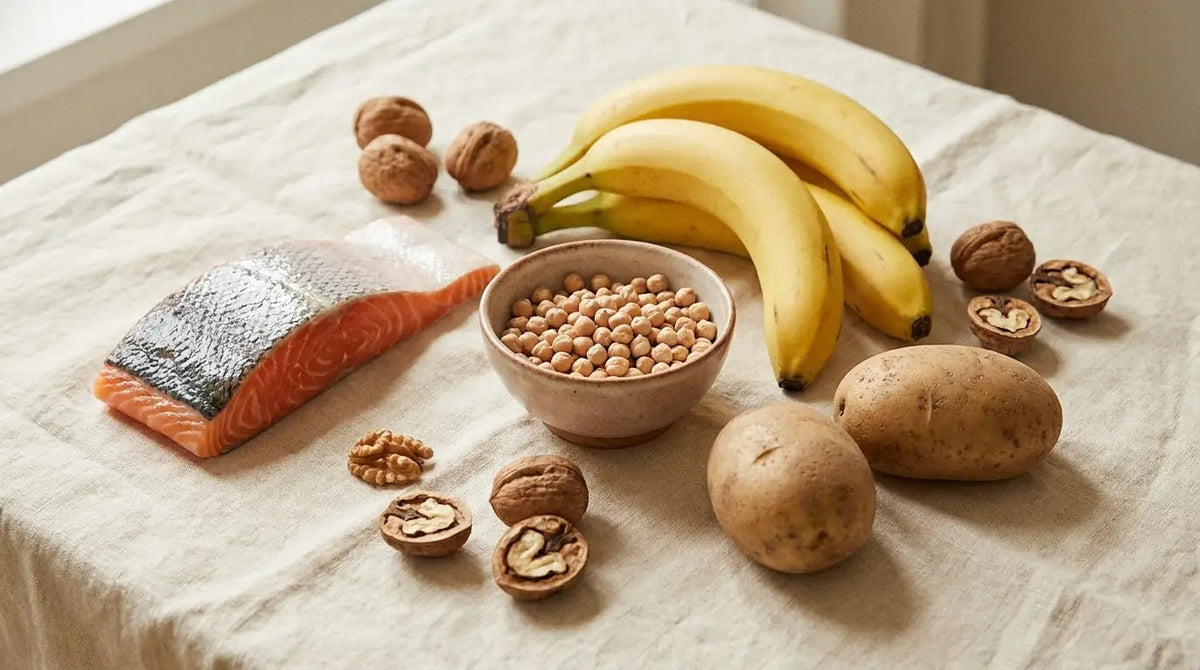
Vitamin B6 bei PMS: Wirkung, Dosierung und Hormone - Hormonic
MikronährstoffeJul 10, 20267 min read
Vitamin B6 for PMS: Effects, Dosage, and Hormones

Can vitamin B6 relieve PMS? What studies show, how B6 affects hormones and mood, and what dosage is safe.

PMDS: Symptome, Ursachen und was wirklich hilft - Hormonic
ZyklusJul 2, 20269 min read
PMDD: Symptoms, Causes, and What Really Helps

PMDD is more than severe PMS: the intense, mood-related form of premenstrual discomfort. Learn what happens in the body, how to recognize PMDD, and what studies show truly helps.
Stimmungsschwankungen in den Wechseljahren: Was wirklich hilft - Hormonic
WechseljahreJun 30, 20268 min read
Mood Swings During Menopause: What Really Helps

Mood swings during menopause are common and biologically based. What happens hormonally and what approaches, according to guidelines and studies, can help.