
🖤 Black WeeksPick 3 · save 30 %Pick 6 · save 60 %Automatic, no codeFor a limited time only🖤 Black WeeksPick 3 · save 30 %Pick 6 · save 60 %Automatic, no codeFor a limited time only🖤 Black WeeksPick 3 · save 30 %Pick 6 · save 60 %Automatic, no codeFor a limited time only

Cart

Your cart is empty

Continue shopping

Trending searches

Featured products

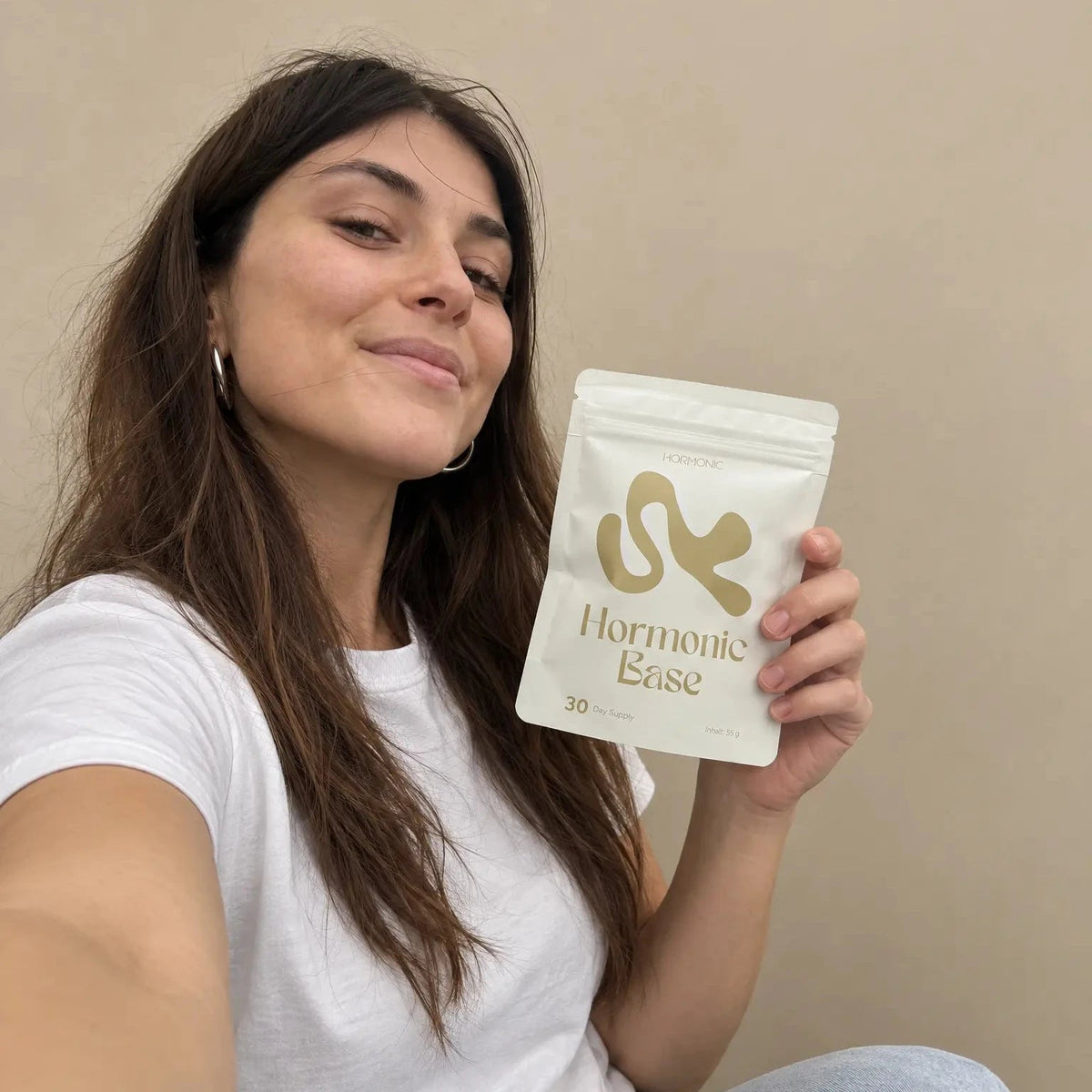
Hormonic Base - Hormonic - Nahrungsergänzungsmittel
Sale price€65,00
(5.0)
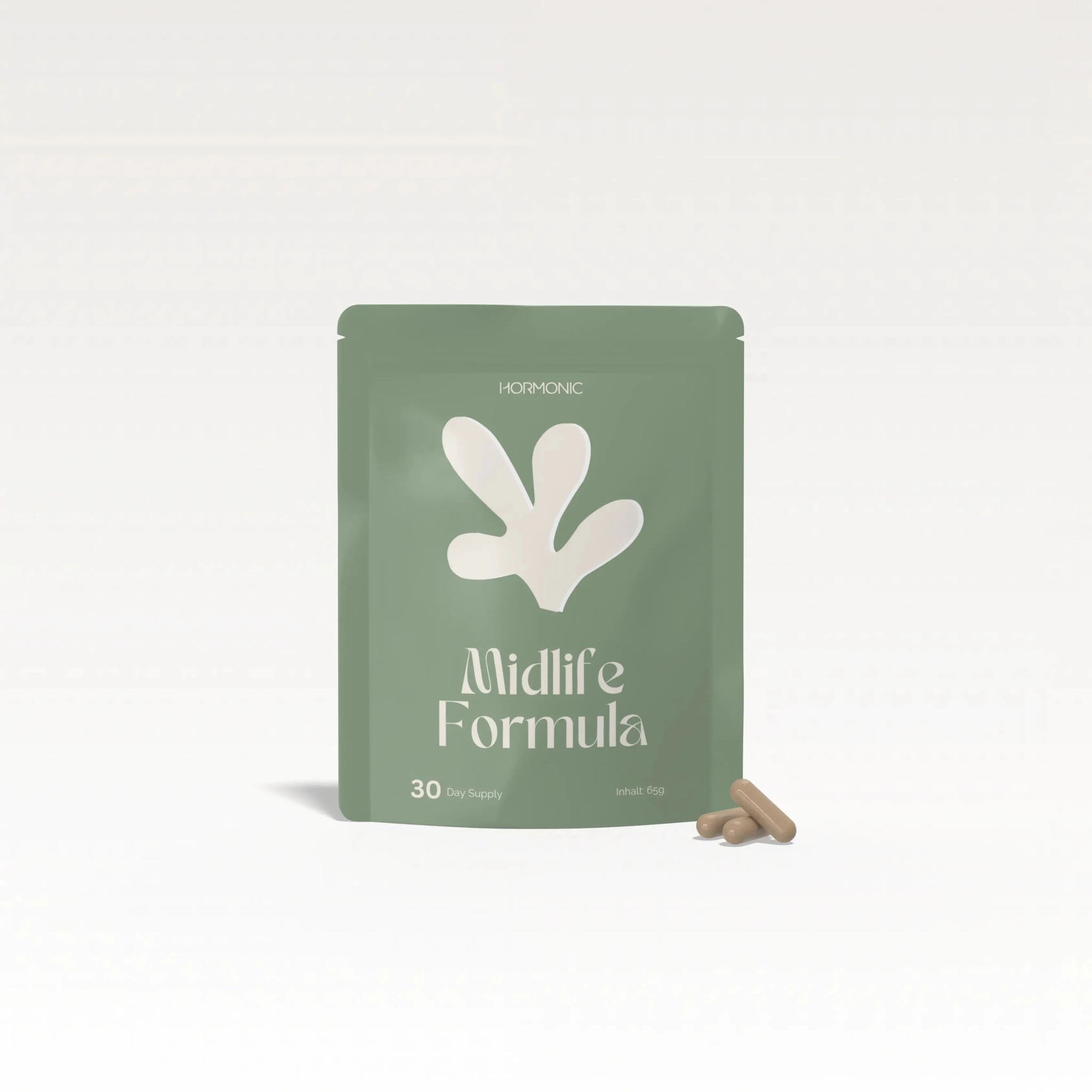
Midlife Formula - Hormonic - Nahrungsergänzungsmittel
Sale price€75,00
(5.0)
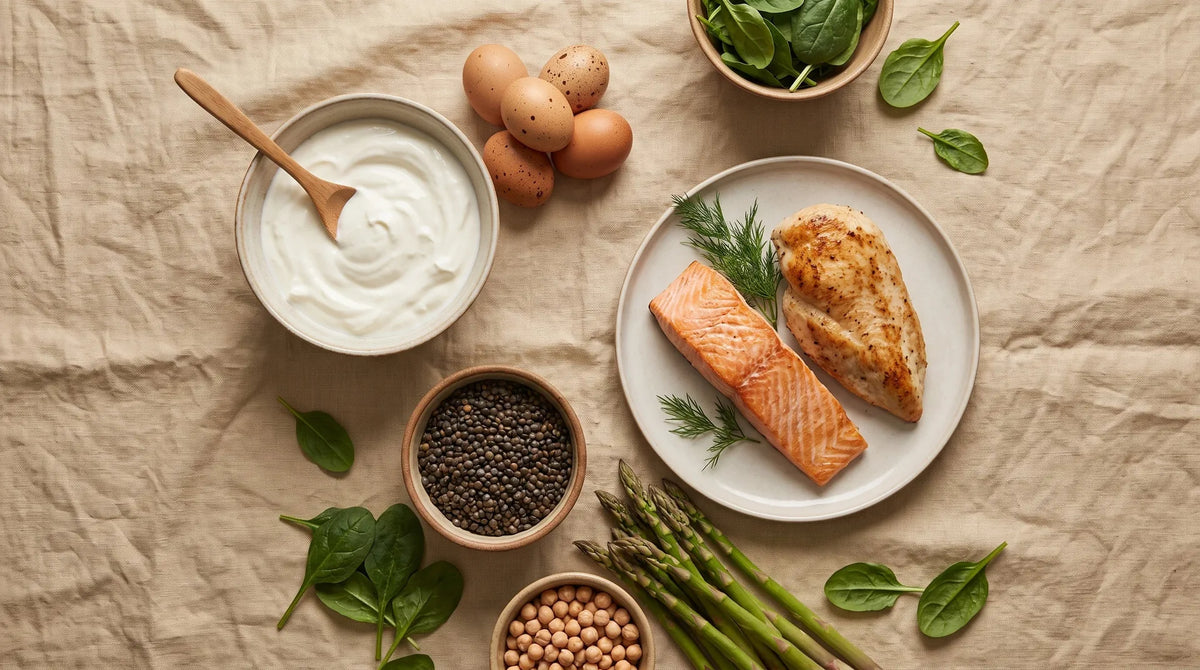
Eiweißreiche Kost wie Lachs und Linsen und Eier auf einem Tisch
ErnährungSep 25, 20268 min read

Skinny Fat Diet: What you should really eat

This article is part of: Metabolism, Hormones, and Weight: The Complete Guide for Women

Many people think that "skinny fat" is almost always about training first. Yet, with skinny fat, at least as much is decided on the plate. The right skinny fat nutrition isn't the strictest, but the one that provides enough protein, keeps blood sugar stable, and protects your muscles.

The frustrating part: Many people instinctively eat less when they are skinny fat because the scale is "normal" and only the body fat percentage is bothersome. That is exactly the mistake that perpetuates the pattern. Fewer calories without enough protein cost you muscle, and less muscle means a slower metabolism and an even higher body fat percentage. Let's turn that around.

Why eating less is counterproductive for skinny fat

With skinny fat, having too little muscle is the core problem, not having too much weight. A diet that primarily cuts calories therefore attacks the very substance you actually want to build. Under a strict deficit without enough protein and without a training stimulus, the body also breaks down muscle, and your basal metabolic rate drops along with it.

It is more sensible to change course away from "less" toward "differently": enough protein, plenty of fiber, high-quality carbohydrates, and blood sugar that doesn't constantly ride a rollercoaster. This way, your body creates the foundation to burn fat and maintain muscle. You can see what that means in concrete terms here at a glance.

Common mistake Better for skinny fat
Strict calorie deficit Moderate, about 250 to 300 kcal less
Low protein 1.6 to 2.2 g protein per kg per day
Cutting carbohydrates Quality over restriction, plenty of fiber
Skipping meals Spread protein throughout the day

How much protein you really need

Protein is the most important nutrient for skinny fat, because it maintains muscle and keeps you full. Meta-analyses show that a higher protein intake in combination with strength training consistently supports muscle growth (Morton et al., 2018). As a guideline, 1.6 to 2.2 grams per kilogram of body weight per day is recommended. For 65 kilograms, that is around 105 to 140 grams.

Just as important as the quantity is the distribution. The body can only use a limited amount of protein per meal optimally for muscle building, which is why about 0.4 grams per kilogram per meal spread over three to four meals makes more sense than having it all at once (Schoenfeld and Aragon, 2018). In practical terms, this means: include a source of protein with every meal, not just in the evening.

Good sources are eggs, skyr and quark, chicken and fish, legumes, tofu, and tempeh. If you eat a plant-based diet, it is best to combine several sources to ensure you get all the amino acids.

What else belongs on the plate

Fiber. Vegetables, legumes, and whole grains ensure flatter blood sugar curves and greater satiety. They are the silent lever that makes a high-protein diet sustainable in the first place.

Quality carbohydrates. Carbohydrates are not the enemy; they provide the energy for training. The type is crucial: fiber-rich, minimally processed varieties like oats, whole grains, and legumes cause blood sugar to rise more slowly than white flour and sugar.

Good fats. Olive oil, nuts, avocado, and fatty fish provide omega-3s and support hormone production. Fat is calorie-dense, so use it in moderation, but it is an essential part of the diet.

The common thread remains the same: get full on protein and fiber, keep blood sugar stable, and do not starve the muscles. You can read about how closely blood sugar and body fat are linked in our article on Insulin resistance in women. You can find an overview of how skinny fat develops in our main article on Skinny fat and what really helps.

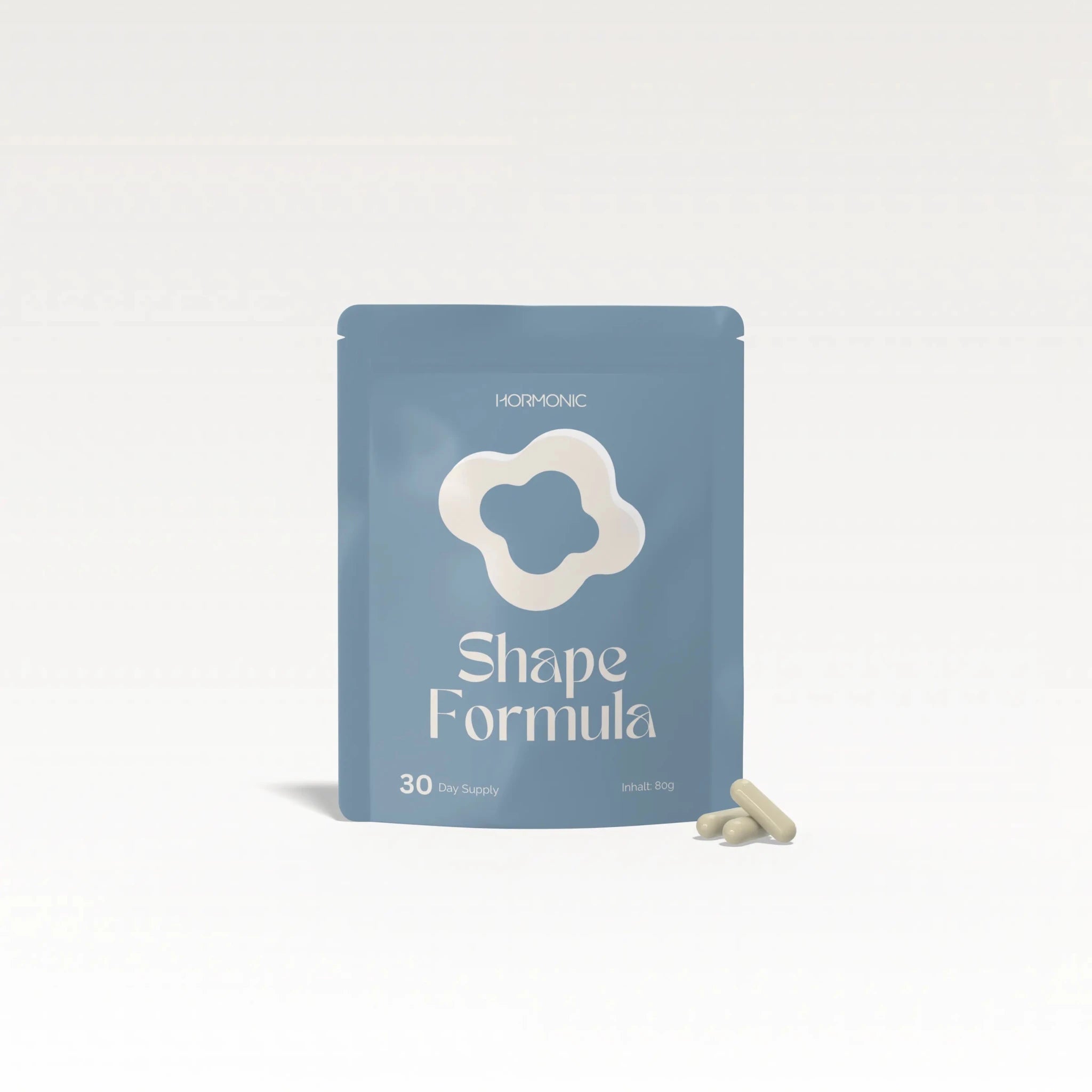
Shape Formula: the blood sugar ally for your diet

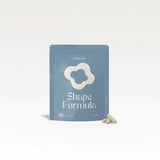
Smart nutrition is your most powerful lever, and Shape Formula gets the best out of it. Chromium is proven to contribute to the maintenance of normal blood glucose levels and normal macronutrient metabolism, ensuring fewer insulin spikes slow down fat loss. Supplemented with L-carnitine, acacia fiber, green coffee, and alpha-lipoic acid, which are studied in relation to glucose, fat, and satiety metabolism. Developed by doctors, manufactured in Austria, 10 specifically selected active ingredients in a daily capsule routine.

Discover Shape Formula

Micronutrients to accompany a skinny-fat diet

No nutrient replaces protein and training, but some can usefully support a metabolism-conscious diet because they target blood sugar and satiety.

Chromium. According to the EFSA, chromium contributes to the maintenance of normal blood glucose levels and normal macronutrient metabolism. Stabler blood sugar means fewer insulin spikes, which makes it easier for the body to burn fat, especially in the abdominal area.

L-Carnitine. L-carnitine is involved in the transport of fatty acids into the mitochondria. A meta-analysis of randomized studies observed a moderate effect on body weight and fat mass (Talenezhad et al., 2020).

Fiber and satiety. Acacia fiber is a prebiotic that supports gut flora and can contribute to satiety. Green coffee, green tea, and alpha-lipoic acid are being studied in relation to glucose and fat metabolism. The evidence is promising but not yet conclusive.

Our Shape Formulacombines exactly these building blocks in one daily dose, as a supplement to a protein- and fiber-rich diet, not as a replacement.

A simple day on the plate

This is what a skinny-fat-friendly day can look like, without calorie counting:

  • Breakfast: Skyr with berries, oats, and nuts.
  • Lunch: Chicken or tofu with plenty of vegetables and quinoa or whole-grain rice.
  • Snack: A handful of nuts and a piece of fruit, or cottage cheese.
  • Dinner: Fish or lentils with salad and olive oil.

Include a protein source with every meal, plus vegetables and a good source of carbohydrates. This covers protein, fiber, and micronutrients, with no restrictions at all.

When you should seek medical advice

If there is no change in your body composition after months of consistent diet and training, it is worth looking at your hormones: insulin resistance, PCOS, or a thyroid disorder can act as a brake. Clarify this in a free initial consultationwith one of our doctors or with your GP.

Shape Bundle: the complete nutritional foundation

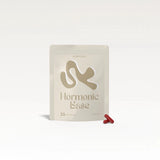
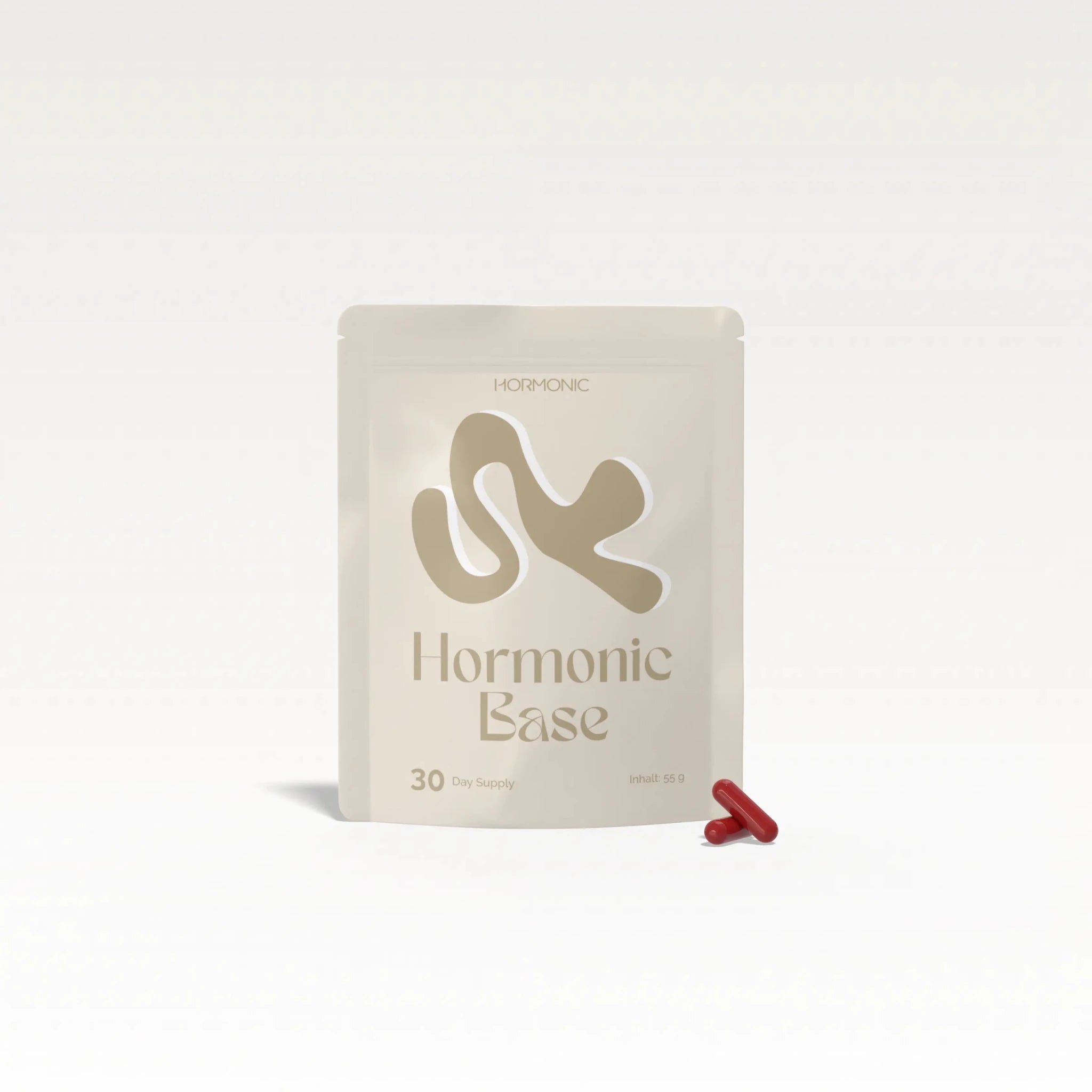
Your diet provides the macros, the Shape Bundle provides the micronutrients to go with them. The Hormonic Base contains vitamin B6 to regulate hormonal activity and 15 other active ingredients for key functions, combined with Shape for glucose and fat metabolism. 26 active ingredients for healthy hormones, blood sugar, and metabolism.

Save in a bundle

Conclusion

The best diet for "skinny fat" is not the strictest, but the smartest: enough protein spread throughout the day, plenty of fiber, high-quality carbohydrates, and stable blood sugar. This way, you lose fat without sacrificing the muscle you actually want to build.

Micronutrients like chromium can support this, but they do not replace protein or strength training. And if nothing changes despite everything, it should be checked by a doctor.

Frequently Asked Questions About Skinny Fat Nutrition

What should you eat if you are skinny fat?

For skinny fat, every meal should include a protein source such as eggs, skyr, chicken, fish, legumes, or tofu, along with plenty of vegetables, high-quality carbohydrates like whole grains and legumes, as well as healthy fats. The goal is sufficient protein and stable blood sugar levels, not the fewest possible calories.

How much protein do you need if you are skinny fat?

As a guideline, 1.6 to 2.2 grams of protein per kilogram of body weight per day is recommended, ideally distributed over three to four meals. For 65 kilograms, that is around 105 to 140 grams. In combination with strength training, this best supports muscle growth.

Muss man bei skinny fat im Kaloriendefizit sein?
Nicht zwingend, und wenn, dann nur moderat. Ein kleines Defizit von etwa 250 bis 300 Kilokalorien zusammen mit viel Eiweiß und Krafttraining ermöglicht Fettabbau bei gleichzeitigem Muskelerhalt. Ein hartes Defizit kostet dagegen Muskeln und verstärkt das skinny-fat-Muster. Manche kommen sogar mit Erhaltungskalorien und Krafttraining ans Ziel.
Welche Lebensmittel sollte man bei skinny fat meiden?
Weniger sinnvoll sind stark verarbeitete Produkte, zuckerreiche Getränke und Weißmehl, weil sie viel Energie, aber wenig Eiweiß und Ballaststoffe liefern und den Blutzucker schnell ansteigen lassen. Es geht nicht um strikte Verbote, sondern darum, den Großteil des Tages aus nährstoffreichen, sättigenden Lebensmitteln zu bauen.

Scientific Sources

  • Morton RW, et al. (2018). A systematic review, meta-analysis and meta-regression of the effect of protein supplementation on resistance training-induced gains in muscle mass and strength in healthy adults. British Journal of Sports Medicine, 52(6), 376-384. doi:10.1136/bjsports-2017-097608
  • Schoenfeld BJ, Aragon AA (2018). How much protein can the body use in a single meal for muscle-building? Implications for daily protein distribution. Journal of the International Society of Sports Nutrition, 15, 10. doi:10.1186/s12970-018-0215-1
  • Correa-Rodríguez M, et al. (2022). Cardiometabolic risk factors in adults with normal weight obesity: A systematic review and meta-analysis. Clinical Nutrition, 41(10), 2179-2188. doi:10.1016/j.clnu.2022.08.011
  • Talenezhad N, et al. (2020). Effects of L-carnitine supplementation on weight loss and body composition: A systematic review and meta-analysis of randomized controlled trials. Clinical Nutrition ESPEN, 37, 9-23. doi:10.1016/j.clnesp.2020.03.008
  • Fazelian S, et al. (2017). Chromium supplementation and polycystic ovary syndrome: A systematic review and meta-analysis. Journal of Trace Elements in Medicine and Biology, 42, 92-96. doi:10.1016/j.jtemb.2017.04.008
  • EFSA Panel on Dietetic Products, Nutrition and Allergies (2010). Scientific Opinion on the substantiation of health claims related to chromium. EFSA Journal, 8(10), 1732. doi:10.2903/j.efsa.2010.1732

About the Author

Amelie Weiss

Amelie Weiss

Research Fellow, PhD · Hormonic

Amelie Weiss is a Research Fellow at Hormonic and conducts scientific research on hormonal health, micronutrients, and evidence-based women's health.

Note: This article is based on current guidelines and scientific work (as of 2026). It is for informational purposes only and does not replace medical advice, diagnosis, or treatment.

Share

You might also be interested in this.

Skinny Fat loswerden: Ursachen und was wirklich hilft - Hormonic
StoffwechselSep 21, 20268 min read
Getting rid of skinny fat: Causes and what really works

"Skinny fat" means looking slim while having a high body fat percentage and low muscle mass. The science behind it and what studies show really helps.
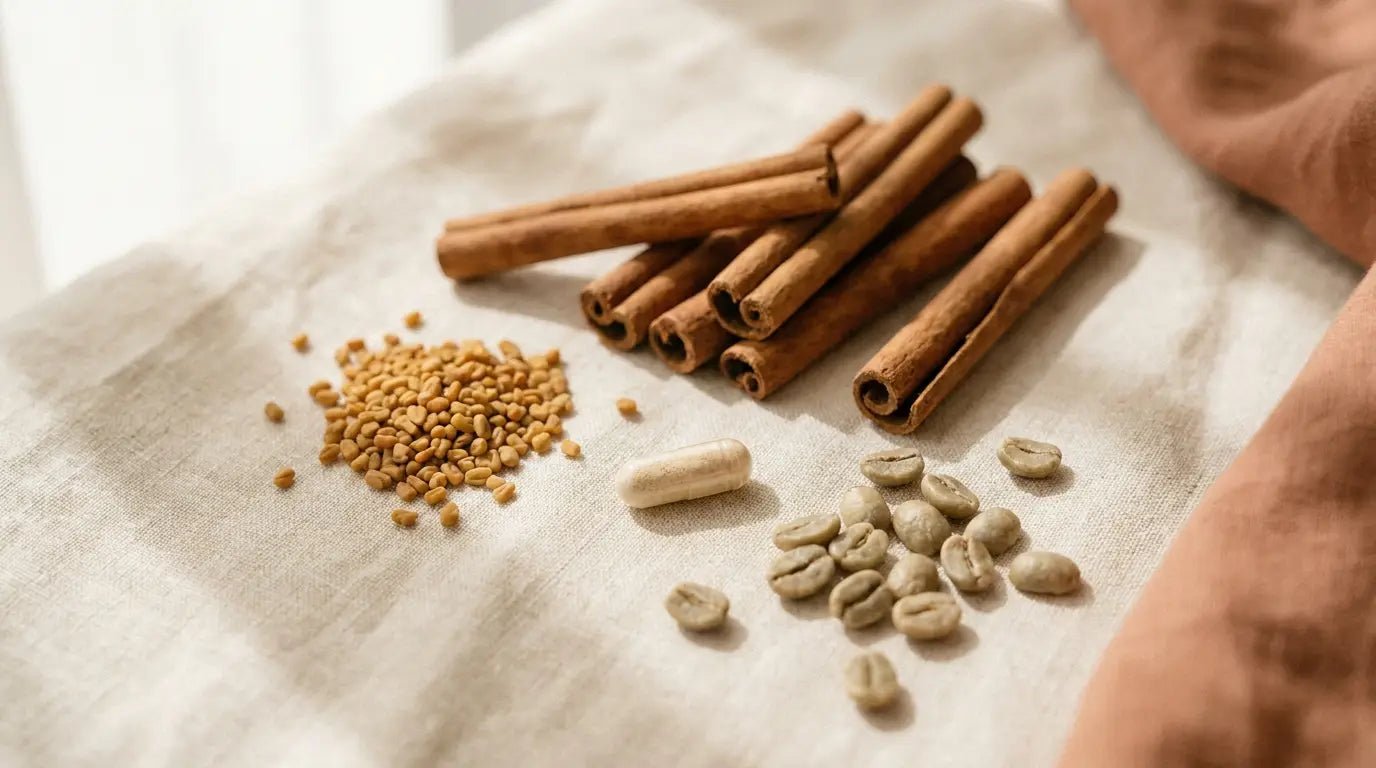
Beste Supplements bei Insulinresistenz und Stoffwechsel: Was die Studien zeigen - Hormonic
MikronährstoffeAug 15, 20269 min read
Best Supplements for Insulin Resistance and Metabolism: What the Studies Show

The best supplements for insulin resistance and metabolism, honestly ranked by evidence: What chromium, alpha-lipoic acid, L-carnitine and co. can really do according to current studies.

Wie Du deinen Stoffwechsel ankurbelst - Hormonic
StoffwechselJun 4, 20267 min read
Boost metabolism: What really helps women

Boost metabolism: We separate myth from evidence and show which levers really count for women, from protein and muscles to thyroid, insulin, and the menstrual cycle.