


As a doctor, I constantly hear questions about "draining water," and almost always it's about quick fixes: teas, pills, detox regimens. Honestly, the most impactful levers are much more inconspicuous, and some of the most popular remedies can even backfire.
Therefore, we will first look at what water retention actually is, when it is harmless and when it is not, and then at what truly helps according to studies and guidelines, instead of just providing a temporary effect.
How do you get rid of water retention?
The most effective measures are the unspectacular basics: less salt and more potassium-rich foods, regular exercise, elevating the legs, and compression stockings for standing or sitting activities. These measures are well-supported by guidelines and studies. What you can save yourself, however, are diuretic pills for cosmetic purposes, as they often lead to increased retention after cessation. It remains important: sudden, unilateral swelling or swelling associated with shortness of breath is not a cosmetic issue, but requires medical evaluation.
| Measure | What the evidence says |
|---|---|
| Reduce salt, increase potassium | Well-substantiated by guidelines (incl. DASH), beneficial for fluid balance. |
| Exercise, elevate legs, compression | Recommended by guidelines for edema caused by congestion and prolonged standing. |
| Magnesium | Well-studied only for premenstrual water retention, otherwise sparse. |
| Diuretic pills | Unsuitable for cosmetic purposes, rebound retention after cessation. |
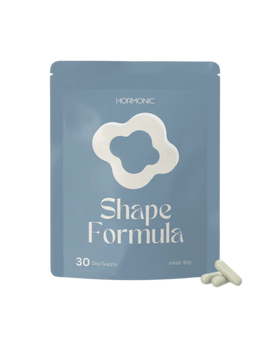
Shape Formula: Targeted Metabolic Support
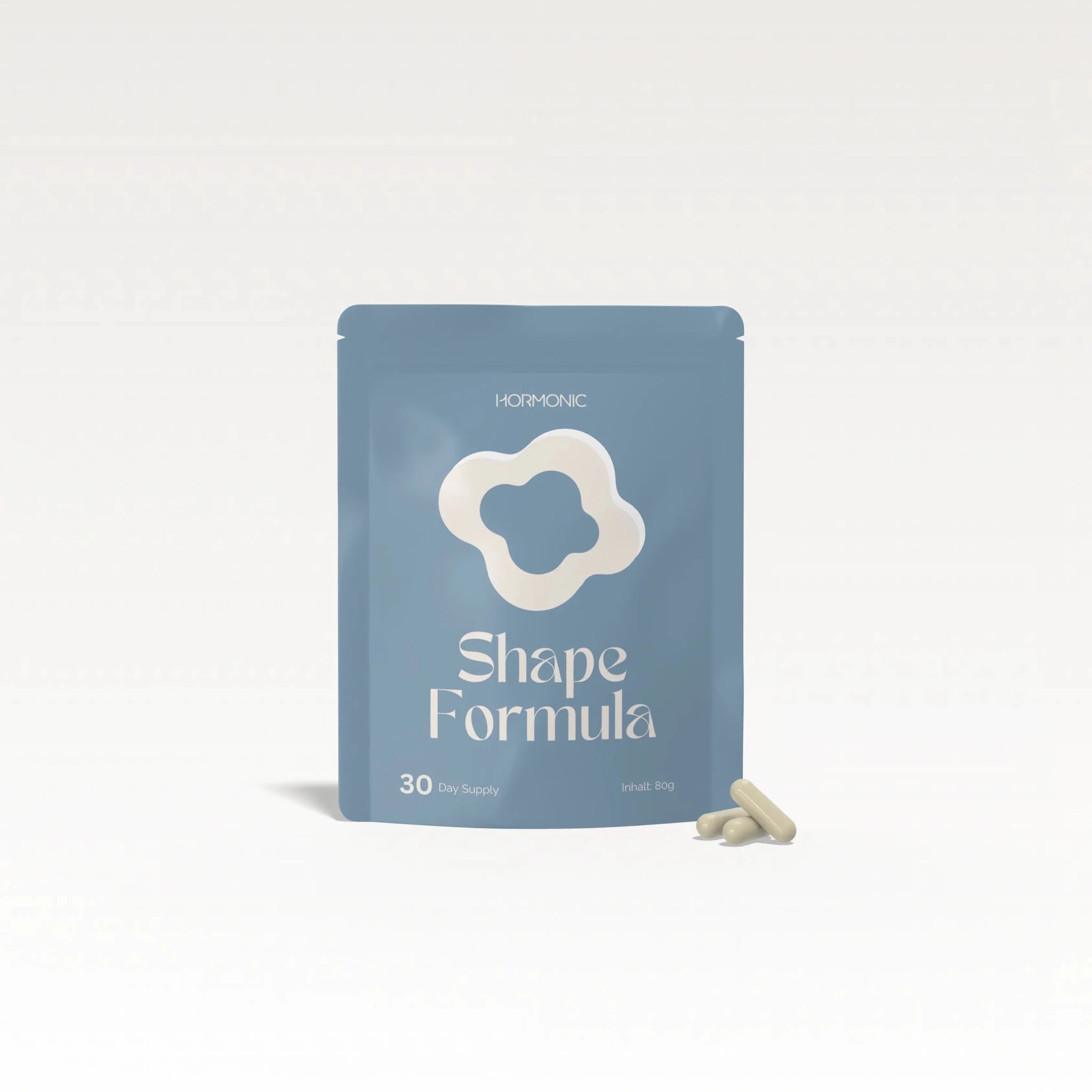
Not a diuretic, but a metabolic building block: The Shape Formula combines L-Carnitine, green tea extract, and chromium, which, according to EFSA, contributes to normal blood sugar levels, for an active, balanced daily life. Doctor-developed and loved by thousands of women.
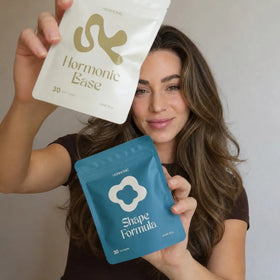
The Duo for Hormones, Metabolism & Body
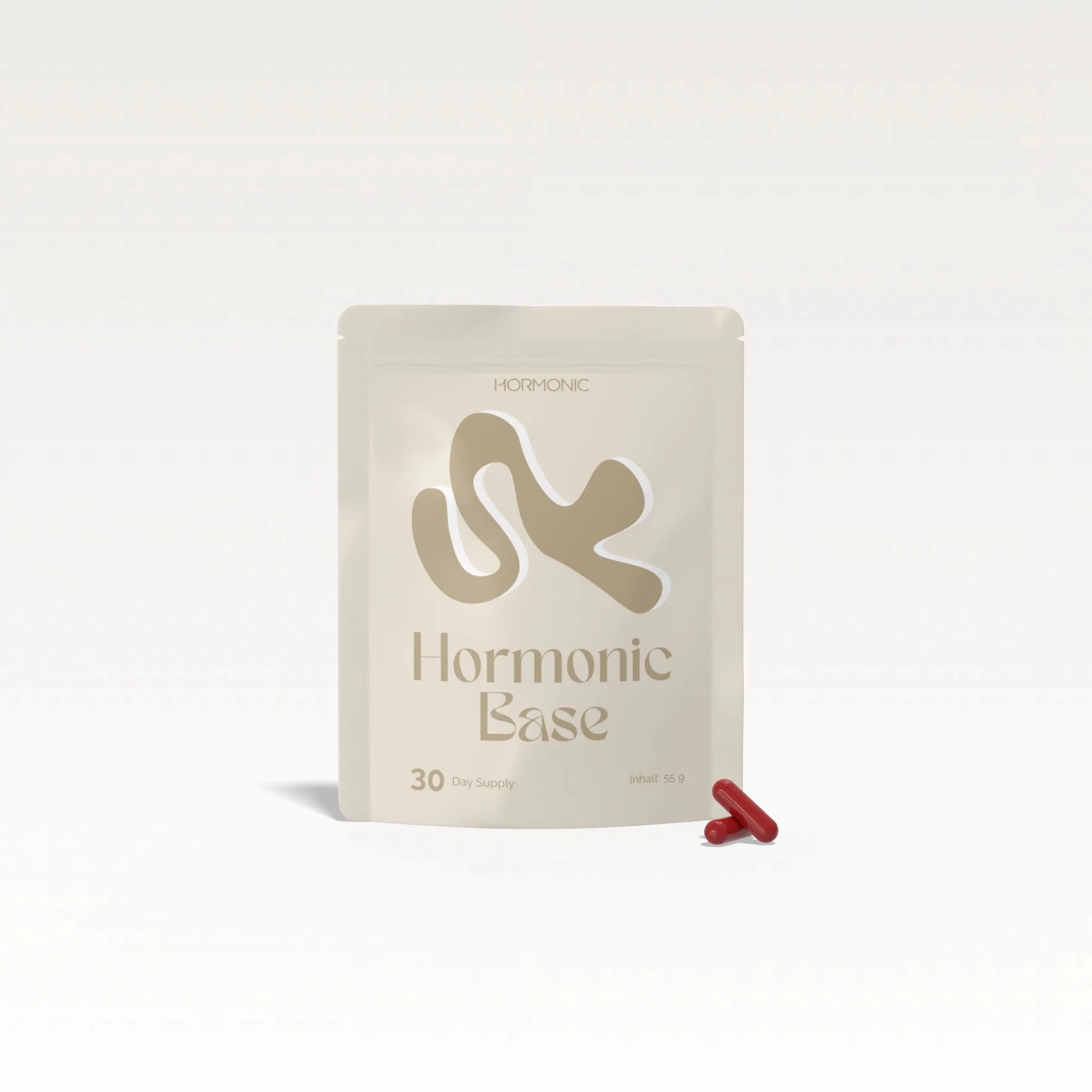
For daily basic supply plus targeted metabolic support: The Shape Bundle combines the Hormonic Base, which contains 16 essential active ingredients such as zinc, vitamin D3, K2, and magnesium, with the Shape Formula in one product.
Frequently Asked Questions About Water Retention
How to get rid of water retention quickly?
Do diuretic pills help with water retention?
Hilft Magnesium gegen Wassereinlagerungen?
Wann sollte ich mit Wassereinlagerungen zum Arzt?
Scientific Sources
- Sacks, F. M. et al. (2001). Effects on blood pressure of reduced dietary sodium and the Dietary Approaches to Stop Hypertension (DASH) diet. New England Journal of Medicine, 344(1), 3-10. doi:10.1056/NEJM200101043440101
- World Health Organization (2012). Guideline: Sodium intake for adults and children. Geneva: WHO.
- World Health Organization (2012). Guideline: Potassium intake for adults and children. Geneva: WHO.
- Walker, A. F. et al. (1998). Magnesium supplementation alleviates premenstrual symptoms of fluid retention. Journal of Women's Health, 7(9), 1157-1165. doi:10.1089/jwh.1998.7.1157
- Maughan, R. J. & Griffin, J. (2003). Caffeine ingestion and fluid balance: a review. Journal of Human Nutrition and Dietetics, 16(6), 411-420. doi:10.1046/j.1365-277X.2003.00477.x
- Mitchell, J. E. et al. (1988). Pseudo-Bartter's syndrome, diuretic abuse, idiopathic edema, and eating disorders. International Journal of Eating Disorders, 7(2), 225-237.
About the Author

You might also be interested in this.

Why do you feel bloated before your period? An honest explanation: salt and water balance during your cycle, how much is normal, and what helps against water retention.

Why am I constantly bloated? The honest truth: why it's often not just air, the connection to your cycle, and what really helps.
Fatigue, PMS, poor sleep: Magnesium deficiency in women is often overlooked. Symptoms, studies, and what really helps.