Cart

Your cart is empty

Continue shopping

Trending searches

Featured products

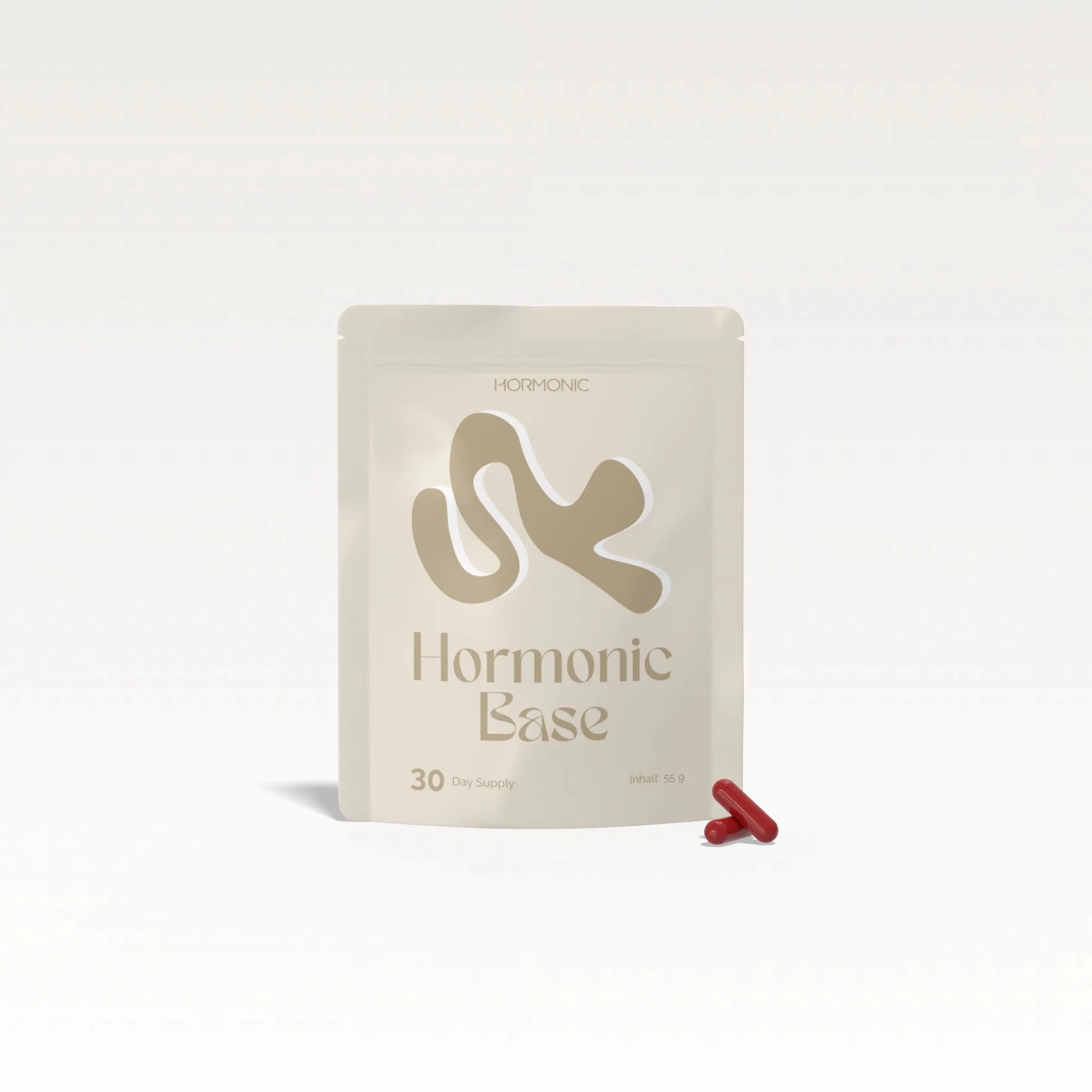
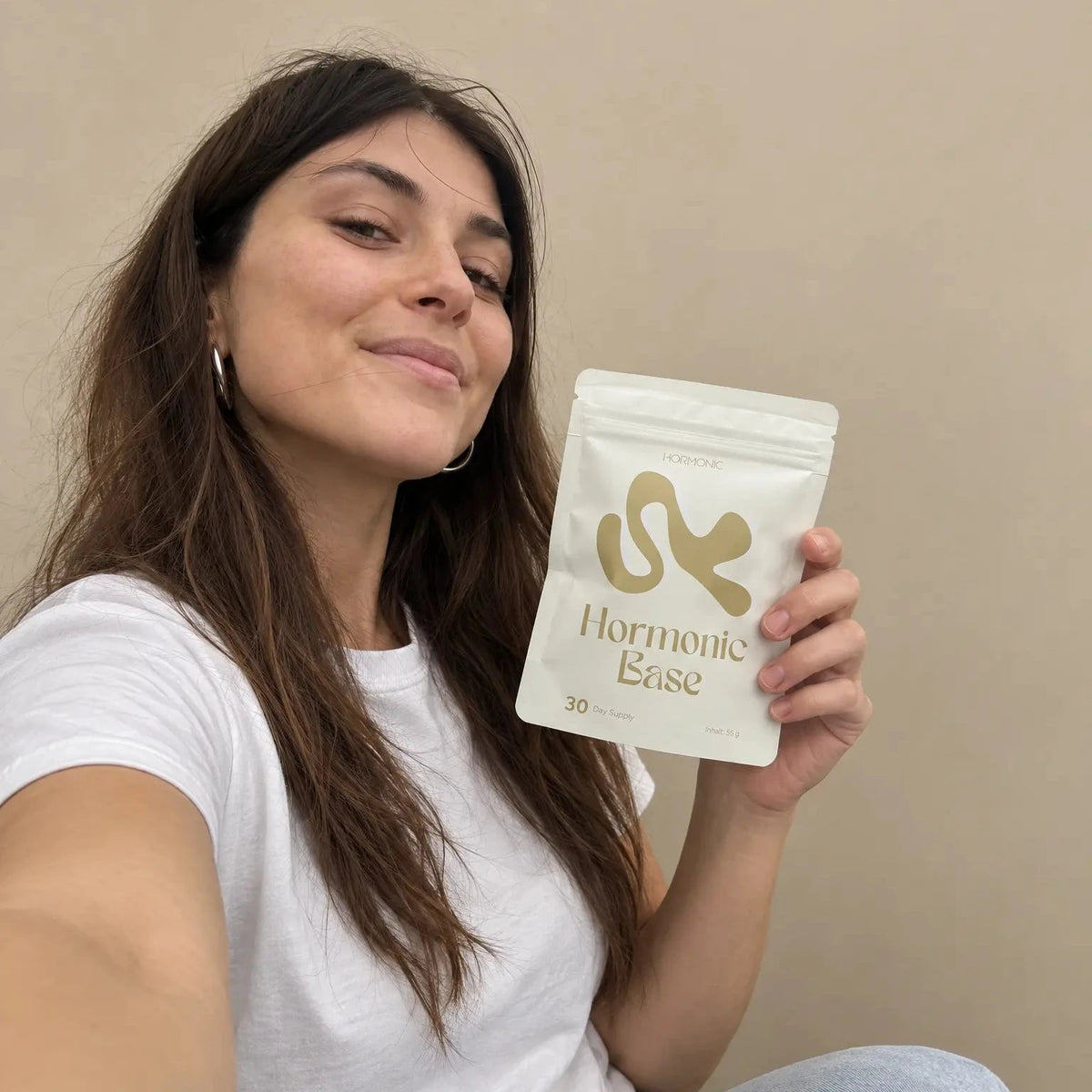
Hormonic Base Nahrungsergänzung mit 16 Mikronährstoffen
Sale price€65,00
(5.0)
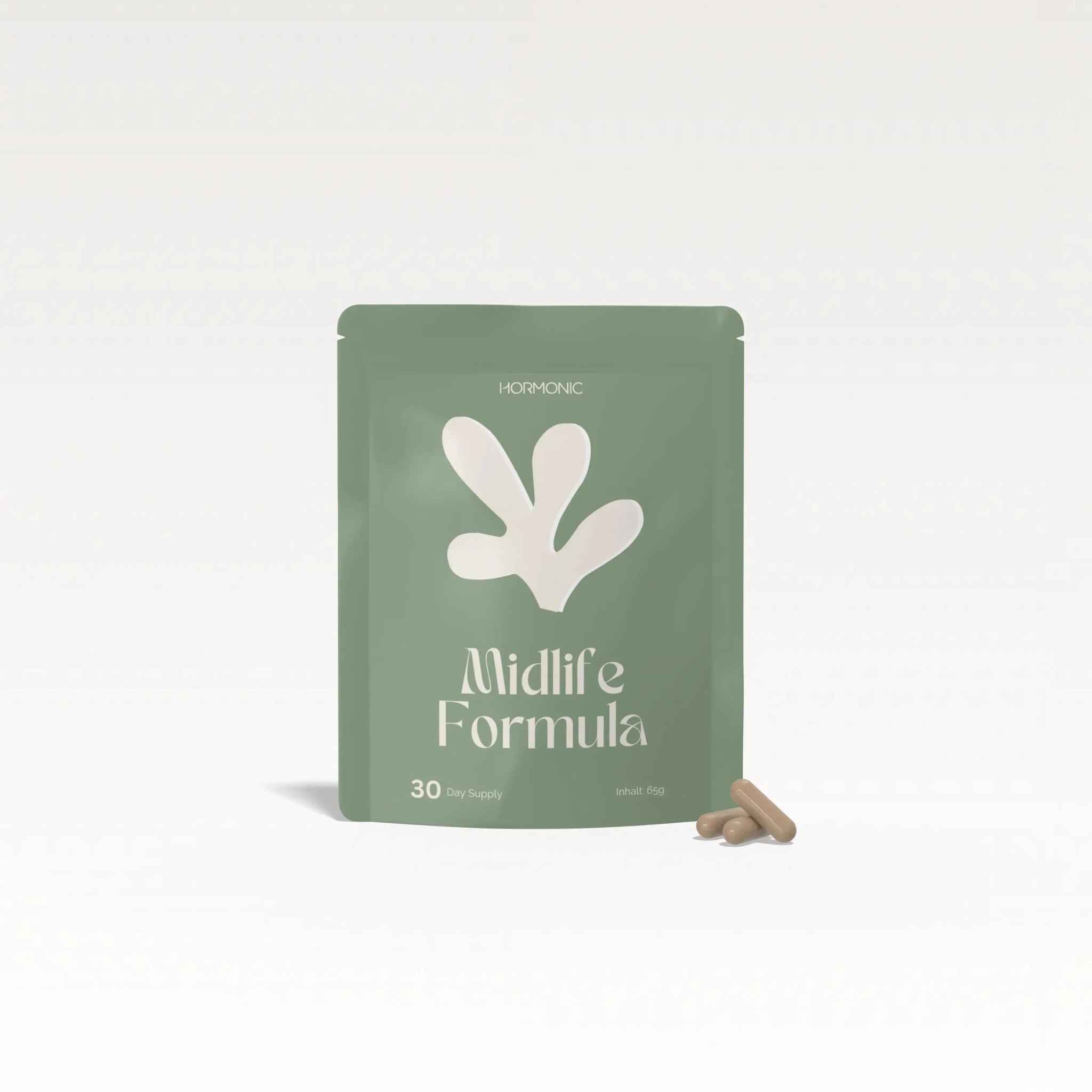
Hormonic Midlife Formula für die Perimenopause
Sale price€75,00
(5.0)
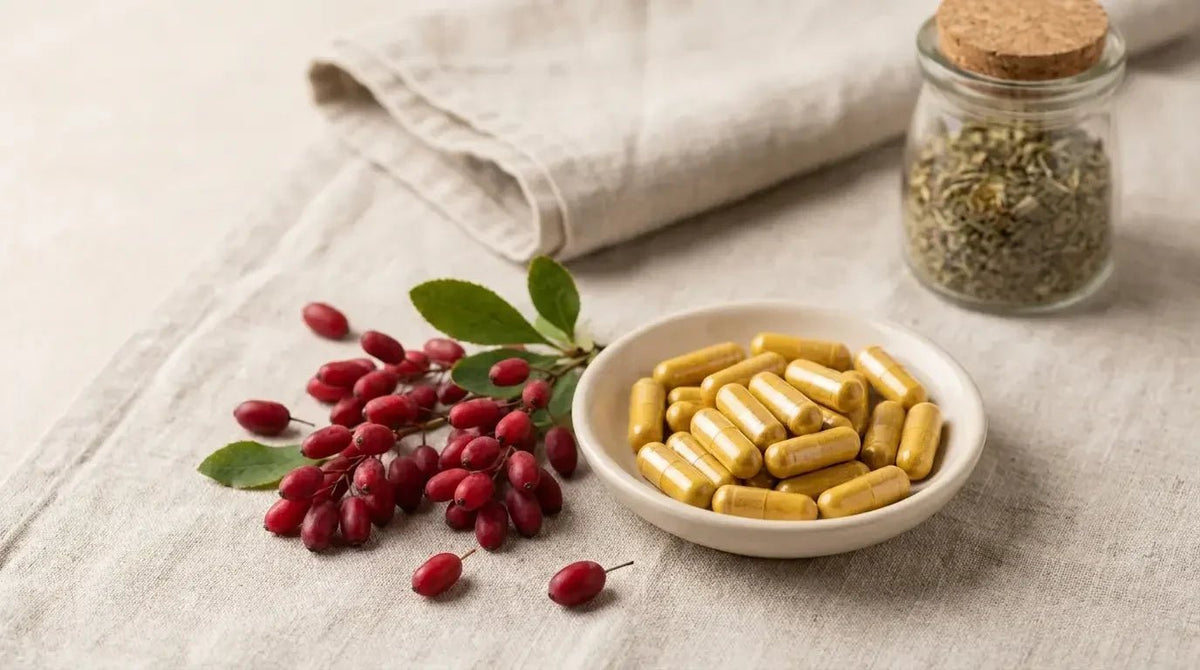
Berberin-Kapseln und Berberitzen auf hellem Leinen, Berberin bei PCOS
PCOSAug 4, 20267 min read

Berberine for PCOS: What Studies Show and Where the Limitations Lie

This article is part of: PCOS: The Guide to Causes, Symptoms, and Treatment

Berberine is considered the herbal metformin, and for hardly any PCOS active ingredient does the study data look so convincing at first glance. When I took a closer look, the picture was indeed strong, but there are two things that are missing in many guides: poor absorption and safety concerns.

Therefore, I will honestly assess what berberine can truly do for PCOS according to studies, how it compares to metformin, and what you should absolutely pay attention to regarding intake, interactions, and family planning.

What does berberine do for PCOS?

In meta-analyses, berberine for PCOS with insulin resistance improved blood sugar and insulin levels as strongly as the drug metformin. Additionally, studies showed it lowered androgens and the LH-FSH ratio and raised SHBG, which binds free male hormones. This is doubly relevant for many women with PCOS. Frankly, most studies are small, and berberine has two weaknesses: poor absorption in the body and important safety concerns regarding family planning and medications.

Area What studies show
Insulin & Blood Sugar Significantly improved, comparable to metformin.
Androgens & SHBG Androgens lowered, SHBG increased, partly more strongly than metformin.
Absorption Very low, therefore take multiple times daily.
Pregnancy Not suitable, plus possible interactions.

What berberine does in the body

Berberine acts at a similar site as the drug metformin: it activates the enzyme AMPK, a central switch in energy metabolism (Turner et al., 2008). This causes cells to absorb more sugar, the liver to release less sugar, and insulin sensitivity to improve. This is precisely central to PCOS, as insulin resistance drives many symptoms.

In a meta-analysis of nine studies, berberine lowered fasting glucose, fasting insulin, and insulin resistance in women with PCOS, with no significant difference from metformin (Li et al., 2018). A larger analysis of twelve studies confirmed this and additionally found lower androgens and a more favorable LH-FSH ratio, in some cases even more pronounced than with metformin (Xie et al., 2019). You can read more about the underlying problem in our article on insulin resistance in women.

Berberine and Metformin in comparison

Metabolically, berberine and metformin are largely equivalent according to current studies, with berberine even performing slightly better in some analyses regarding androgens and blood lipids. This makes it an exciting herbal approach. Important and honest: The studies are predominantly from China and are small, which is why berberine is not an equivalent substitute for a drug, but a promising, though not conclusively proven, building block.

PCOssentials Kit: Berberine plus Myo-Inositol

Berberine is one of the active ingredients in the PCOssentials Kit, combined with Myo-Inositol, Hormonic Base, and the PCOS Bible. This is a structured supplement, not a treatment for PCOS.

View PCOssentials Kit

Bioavailability and Proper Intake

Berberine's biggest weakness is its absorption. Only a tiny fraction is absorbed in the intestine because it is quickly flushed out and heavily broken down. Therefore, in studies, it is usually taken in several portions throughout the day, typically around 1,000 to 1,500 milligrams daily, divided into three doses with meals. It works less effectively on an empty stomach and in a single dose.

Safety: Interactions and Pregnancy

This is the point that many guides omit. Berberine inhibits certain enzymes in the liver (CYP enzymes) that metabolize many medications, and can thus alter their levels (Guo et al., 2012). If you take medication regularly, its intake should therefore be discussed with a doctor.

Even more important for the PCOS and fertility target group: Berberine is not suitable during pregnancy and breastfeeding. It can displace bilirubin from its binding and contribute to dangerous jaundice (kernicterus) in newborns, and it passes into breast milk (Chan, 1993). Therefore, anyone who is pregnant, breastfeeding, or actively trying to conceive should not take berberine on their own.

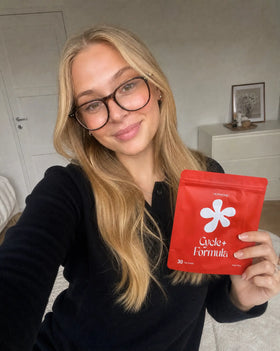
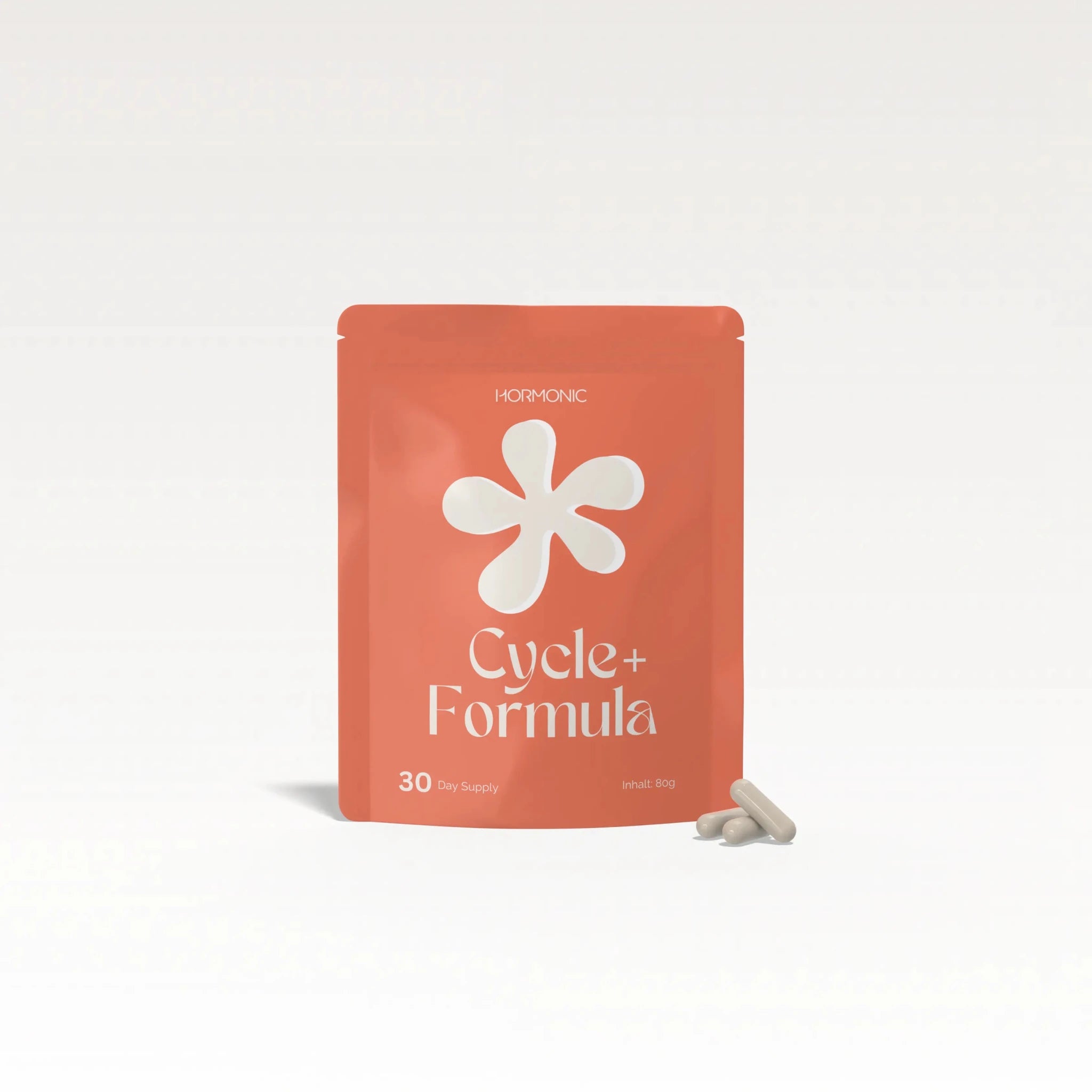
Berberine itself is a plant substance without an approved health claim, so we deliberately make no promises of efficacy. In our PCOssentials Kitberberine is one of the active ingredients, combined with myo-inositol, the most thoroughly researched PCOS nutrient, as well as the Hormonic Base and the PCOS Bible. If you only want the cycle-targeted basic product, you can find myo-inositol and zinc in the Cycle+ Formula. Our article on the best supplements for PCOSprovides an overview of all active ingredients.

And if you are unsure what makes sense in your case, it is best to clarify this in a free initial consultationor with your treating doctor.

Unsure if berberine is right for you?

In a free, 15-minute introductory call, one of our doctors will address your questions about PCOS, insulin, and effective active ingredients, completely without obligation.

Secure your free initial consultation

Conclusion

Berberine is one of the most exciting plant-based approaches for PCOS: Studies have shown it to improve insulin and blood sugar as effectively as metformin, and it also lowers androgens. Two things must be honestly considered: its absorption is poor, which is why it is taken throughout the day, and its safety regarding fertility, pregnancy, and medication is delicate. Berberine is promising as a consciously used, doctor-supervised component, but not recommended for self-treatment when trying to conceive.

Common Questions About Berberine for PCOS

Does berberine work for PCOS like metformin?

In meta-analyses, berberine improved fasting glucose, insulin, and insulin resistance in PCOS patients to a similar extent as metformin, and in some cases even more so regarding androgens. However, the studies are small and mostly from one region, which is why berberine is a promising herbal approach but not an equivalent substitute for a medication. If you are taking medication, it should be clarified with a doctor.

How much berberine per day for PCOS?

In studies, usually about 1,000 to 1,500 milligrams of berberine per day were used, divided into three doses with meals. The reason for the division is its very poor absorption in the body. The most common side effects are gastrointestinal complaints. If you have pre-existing conditions or are taking medication, you should discuss its use with your doctor.

Darf man Berberin bei Kinderwunsch oder in der Schwangerschaft nehmen?
Nein. In der Schwangerschaft und Stillzeit ist Berberin nicht geeignet, weil es beim Neugeborenen zu einer gefährlichen Gelbsucht beitragen kann und in die Muttermilch übergeht. Auch bei aktivem Kinderwunsch solltest Du Berberin nicht auf eigene Faust einnehmen, sondern die Frage vorher ärztlich klären.
Senkt Berberin die Androgene bei PCOS?
In Studien senkte Berberin bei Frauen mit PCOS die Androgene und die LH-FSH-Ratio und hob das SHBG an, das freie männliche Hormone bindet, in einigen Auswertungen sogar etwas stärker als Metformin. Das ist ein positives Signal, die Datenlage stammt aber aus überwiegend kleinen Studien und ist noch nicht abschließend gesichert.

Scientific Sources

  • Li, M.-F. et al. (2018). The Effect of Berberine on Polycystic Ovary Syndrome Patients with Insulin Resistance: A Meta-Analysis and Systematic Review. Evidence-Based Complementary and Alternative Medicine, 2018, 2532935. doi:10.1155/2018/2532935
  • Xie, L. et al. (2019). Berberine ameliorates hyperandrogenism and insulin resistance in patients with polycystic ovary syndrome: a systematic review and meta-analysis. Evidence-Based Complementary and Alternative Medicine, 2019, 7918631. doi:10.1155/2019/7918631
  • Turner, N. et al. (2008). Berberine and its more biologically available derivative, dihydroberberine, inhibit mitochondrial respiratory complex I. Diabetes, 57(5), 1414-1418. doi:10.2337/db07-1552
  • Guo, Y. et al. (2012). Repeated administration of berberine inhibits cytochromes P450 in humans. European Journal of Clinical Pharmacology, 68(2), 213-217. doi:10.1007/s00228-011-1108-2
  • Chan, E. (1993). Displacement of bilirubin from albumin by berberine. Biology of the Neonate, 63(4), 201-208.

About the Author

Amelie Weiss

Amelie Weiss

Research Fellow, PhD · Hormonic

Amelie Weiss is a Research Fellow at Hormonic and conducts scientific research on hormonal health, micronutrients, and evidence-based women's health.

Note: This article is based on current guidelines and scientific work (as of 2026). It is for informational purposes only and does not replace medical advice, diagnosis, or treatment.

Share

You might also be interested in this.
Verschiedene Supplement-Kapseln und frische Lebensmittel auf hellem Leinen, beste Supplements bei PCOS
PCOSAug 2, 20268 min read
The Best Supplements for PCOS: What Studies Show

Which supplements for PCOS are genuinely researched? Inositol, Berberine, NAC & Co. categorized according to scientific studies, honestly and without promises of a cure.

Frau liegt erschöpft im Bett, Symbolbild für Müdigkeit bei Insulinresistenz
StoffwechselApr 10, 20268 min read
Insulin Resistance in Women: Causes, Symptoms & What Helps

Insulin resistance affects many women, but often remains undetected for a long time. Learn how hormones and metabolism are connected and what can specifically help with insulin resistance.

Myo-Inositol bei PCOS: Wirkung, Studien & Dosierung
FruchtbarkeitMay 31, 202610 min read
Myo-inositol for PCOS: Effects, Studies & Dosage

How does inositol work for PCOS, what do studies show regarding ovulation, testosterone, and insulin resistance, and what is a sensible dosage? The evidence-based overview.