
Offer ends in10:00

Cart

Your cart is empty

Continue shopping

Trending searches

Featured products

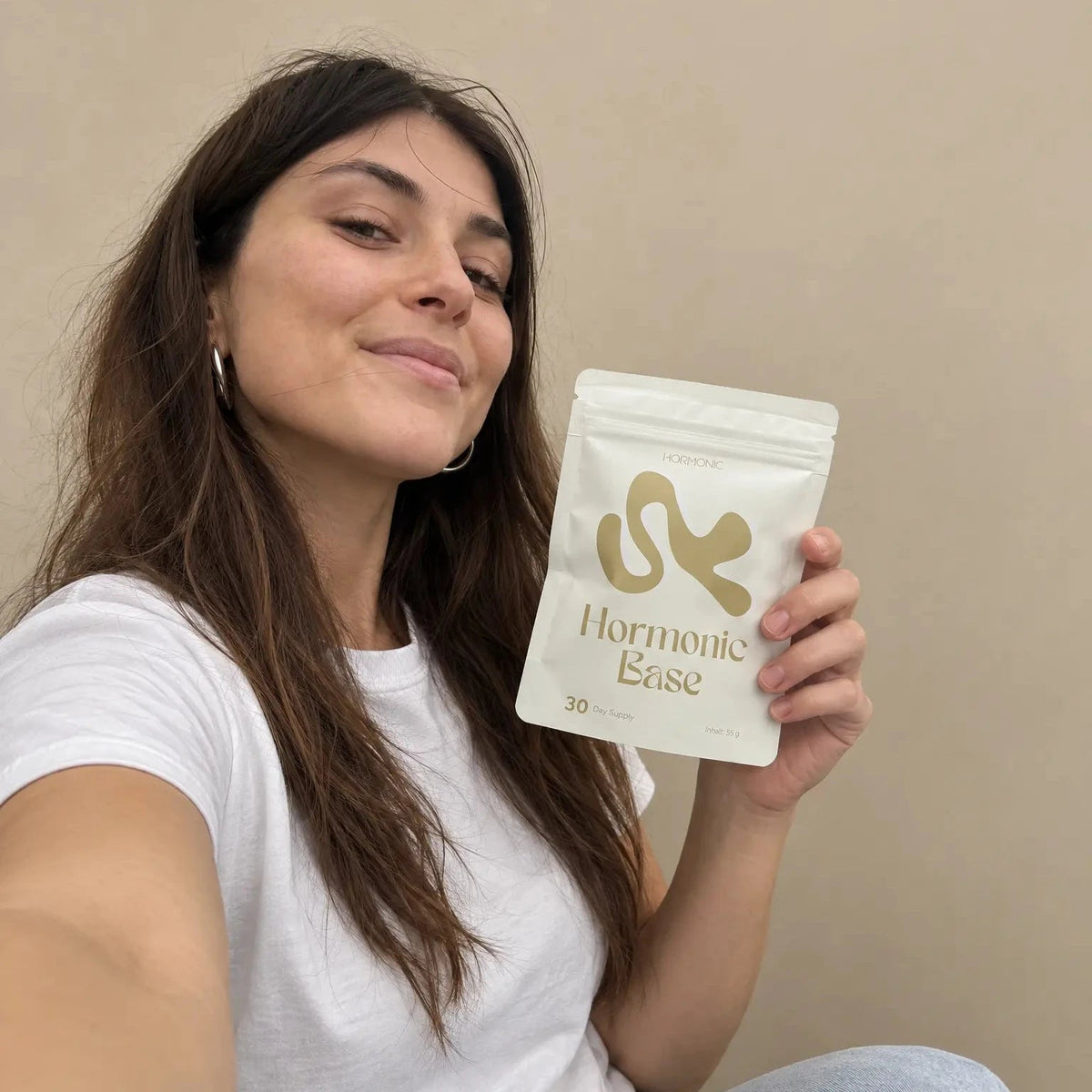
Hormonic Base - Hormonic - Nahrungsergänzungsmittel
Sale price€65,00
(5.0)
Midlife Formula - Hormonic - Nahrungsergänzungsmittel
Sale price€75,00
(5.0)
Endobelly bei Endometriose: Frau liegt auf Leinenbettwäsche und legt beide Hände auf den Unterbauch
EndometrioseOct 13, 20269 min read

Endobelly: Why the abdomen swells with endometriosis

This article is part of: Endometriosis: Symptoms, Causes, and What Really Helps

“I put on my jeans in the morning, and by the evening I can’t button them anymore. Often I don’t know what’s causing it, whether it’s food, my cycle, or something else.” We hear this so often in our first conversations with women with endometriosis that we could almost say it along with them. Many then tell us that someone has already congratulated them on a pregnancy. Or they worry that something serious is wrong with their bowel.

For many women, the endobelly is one of the most distressing symptoms, because it is visible and hardly anyone explains it. That is why it is worth taking a closer look: what is behind the swelling determines what will help you. And more often than not, it is something other than most people assume.

What is an endobelly?

An endobelly is a clearly visible, often painful bloated belly in endometriosis that typically changes with your cycle. It often builds up over the day, is worst before and during your period, and usually goes down afterwards.

It is important to tell apart the feeling of being bloated and a belly that is actually, visibly bigger. With an endobelly, the two often come together: pressure, tightness, and fullness on the one hand, and a belly that visibly sticks out on the other. Many women say that by the evening they look pregnant. It is not imagined, and it is not a question of weight.

Figures from Australia show how common this is: of 355 women who had surgery for suspected endometriosis, 90% had digestive symptoms, and bloating was the most common at 82.8% (Maroun et al., 2009). In a Swedish study, 85% of 109 endometriosis patients reported bowel symptoms in the past year, and bloating, abdominal pain, and constipation were considerably more severe than in women from the general population (Ek et al., 2015). Both studies are older, but they are still among the most important data on this topic.

Endobelly or ordinary bloating: how can you tell the difference?

The most important clue is the pattern over your cycle: an endobelly follows your cycle, while ordinary bloating tends to follow what you eat. The overview below helps you sort things out, but it does not replace a diagnosis.

Feature Endobelly (typical) Ordinary bloating
Timing Linked to your cycle, worse in the second half of the cycle and around your period After certain meals, no cycle pattern
Over the day Builds up, often worst in the evening Short-lived, usually settles after a few hours
Other symptoms Period pain, pain with bowel movements or sex, pelvic pain Mainly gas and fullness, little pain
What helps Often improves after your period, may respond to medical treatment Responds to changes in diet
Where to get checked Gynecologist, ultrasound Family doctor, possibly testing for intolerances

One honest caveat belongs here: bowel symptoms alone cannot reliably tell endometriosis apart from IBS. In a Swedish population study, bloating and other bowel symptoms did not differ between the two groups, although only 22 women with endometriosis were included (Junkka & Ohlsson, 2023). That is why a symptom diary over two to three cycles helps you sort things out. If your bloating does not change with your cycle at all, you will find the most common other causes in our article on bloating in women.

The endobelly is usually not a sign that endometriosis has reached the bowel. It shows how closely the pelvis, nerves, and digestion are connected.
Why does an endobelly happen?

An endobelly probably results from several factors at once: inflammation in the abdomen, an oversensitive gut, hormonal effects on digestion, and, in some women, lesions directly on the bowel. So far, there is no single, proven cause.

Inflammation and messenger substances

Endometriosis is an inflammatory disease. The lesions release messenger substances, and the tissue around them is unusually densely supplied with nerve fibers (Velho et al., 2023). Researchers are also discussing a role for prostaglandins. These are tissue hormones that trigger cramps and pain and affect how the bowel moves. Direct proof that they cause the endobelly is still missing, though.

A more sensitive gut

In a British study of 100 women, the rectum was gently stretched with a small balloon. Women with endometriosis felt pain at around 28 mmHg of pressure, women without endometriosis only at 39.5 mmHg (Issa et al., 2012). Experts call this visceral hypersensitivity: the gut already registers normal stretching as uncomfortable or painful. This could explain why your belly feels fuller than it actually is. It is, however, a single study.

The overlap with irritable bowel syndrome

Endometriosis and irritable bowel syndrome (IBS) occur together strikingly often. Two meta-analyses, which partly draw on the same studies, found roughly three times higher odds: an odds ratio of 3.26 in one (Chiaffarino et al., 2021), 2.97 in the other, where about 23% of women with endometriosis also had IBS (Nabi et al., 2022). This matters in practice, because IBS has well-studied approaches that women with an endobelly can use too.

Gut flora and the cycle

Gut flora is also under suspicion. A 2025 meta-analysis found slightly lower gut bacteria diversity on average in women with endometriosis, but the results for individual bacteria were contradictory, and the largest single study found no difference at all (Li et al., 2025). So there is no evidence that a gut flora test or a probiotic specifically helps with the endobelly. Then there is the cycle itself: researchers are discussing whether sex hormones such as progesterone affect how the bowel moves, and many women notice their bowel symptoms getting worse shortly before and during their period.

Endometriosis on the bowel

In about 10% of those affected, mostly with deep infiltrating endometriosis, lesions sit directly on the bowel (Burghaus et al., 2026). In these cases, pain during bowel movements while on your period is often the main symptom. For the vast majority of women with an endobelly, though, the swelling alone is no proof of bowel endometriosis. How this is investigated is explained in our article on endometriosis diagnosis.

Hormonic Base: A reliable foundation alongside nutrition and therapy

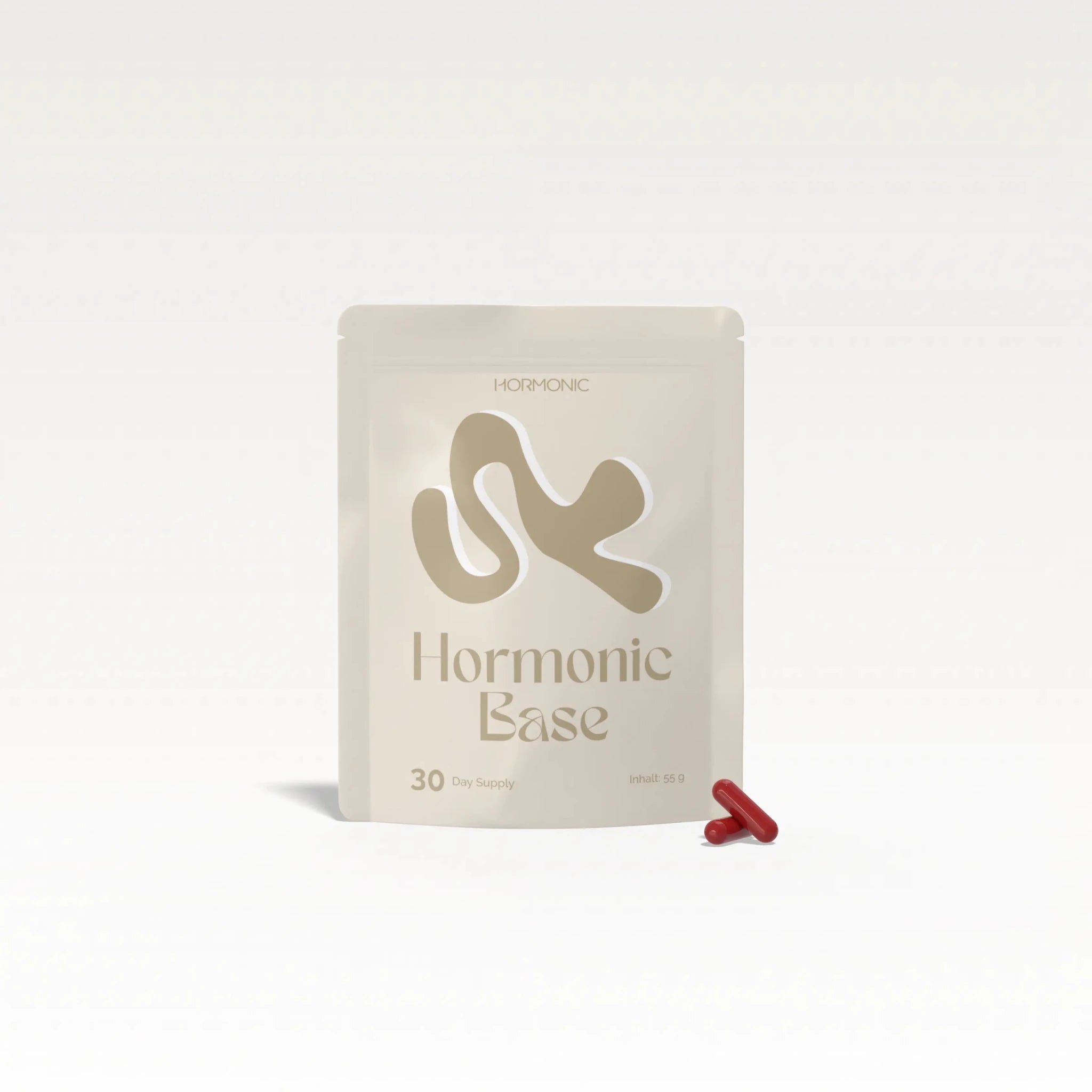
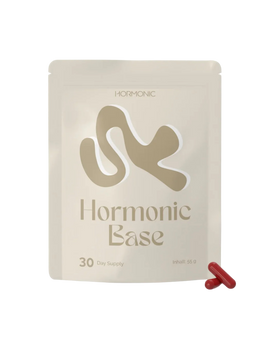
Hormonic Base combines 16 micronutrients, including zinc and selenium, which help protect cells from oxidative stress, vitamin D, which contributes to the normal function of the immune system, and a magnesium complex of bisglycinate, malate, and citrate, which contributes to normal muscle function.
Discover Hormonic Base

What helps with an endobelly?

The best evidence so far is for a time-limited low-FODMAP diet, combined with exercise, warmth, and good medical treatment of the endometriosis itself. However, no therapy has yet been tested specifically for the endobelly.

Low-FODMAP as a time-limited trial

FODMAPs are certain sugars and fibers, found for example in onions, garlic, legumes, or wheat, that ferment in the large intestine and can cause bloating if your gut is sensitive. In the first randomized study in endometriosis, 35 women with marked bowel symptoms each ate a low-FODMAP diet and a balanced control diet for 28 days. On low-FODMAP, 60% responded clearly, compared with 26% on the control diet, and bloating and abdominal pain decreased (Varney et al., 2025). A non-randomized Dutch pilot study over six months found only a small effect on bloating, which was no longer significant in a stricter analysis (van Haaps et al., 2023).

Important: low-FODMAP is not a long-term diet. It runs in phases: first a few weeks of reduction, then a step-by-step reintroduction of individual foods, ideally with a dietitian. The S2k guideline generally recommends a diet rich in vitamins and fiber and advises against special diets without a medical reason (Burghaus et al., 2026). Marked IBS symptoms are such a reason. You can read more in our article on nutrition for endometriosis.

Gut flora, fiber, and peppermint oil

Research is also looking at the gut itself. In a small pilot study of 37 women with endometriosis, participants reported less period pain after eight weeks on a lactic acid bacteria preparation than on placebo (Khodaverdi et al., 2019). Bloating was not measured, and which bacterial strain is right remains unclear. Two more building blocks come from IBS research: in a meta-analysis, enteric-coated peppermint oil capsules did better than placebo for abdominal pain, although the data quality was very low and side effects such as heartburn were common (Ingrosso et al., 2022). Partially hydrolyzed guar gum, a soluble fiber, mainly reduced the feeling of bloating in a randomized study (Niv et al., 2016). Neither has been studied in endometriosis specifically. It is best to increase fiber slowly, especially if you are trying low-FODMAP at the same time.

Exercise, warmth, and relaxation

The guideline recommends regular exercise of any intensity for period pain and mentions progressive muscle relaxation and gentle self-massage of the lower belly as options. For warmth, a meta-analysis on period pain without endometriosis found signs of relief, but the studies had clear weaknesses (Jo & Lee, 2018). These measures have not been studied specifically for the endobelly.

Medical treatment

Because the endobelly is tied to endometriosis, treating the condition may also bring relief for your belly, although this has not been specifically studied. The S2k guideline names a suitable progestin, such as dienogest, or an oral GnRH antagonist as first choice, plus anti-inflammatory pain relievers as needed. If there are lesions on the bowel, surgery may be an option. These decisions belong with your gynecologist or an endometriosis center.

What micronutrients can and cannot do

Micronutrients can secure a reliable basic supply, but no dietary supplement has been tested against the endobelly itself. That is the honest state of the evidence, and it will help you more than any promise.

Micronutrients can complement a balanced diet, and regardless of endometriosis: zinc and selenium contribute to the protection of cells from oxidative stress. Vitamin D contributes to the normal function of the immune system, and magnesium contributes to normal muscle function. Curcumin is being studied for its role in inflammatory processes, but in a meta-analysis its effect in IBS was not significant (Ng et al., 2018). For NAC, there are no randomized studies in endometriosis so far, only observational studies, the largest of them without a control group. You will find the details in our article on NAC for endometriosis.

When should you have your bloating checked by a doctor?

Bloating that comes and goes with your cycle is a reason to talk to your gynecologist. New, persistent bloating with no cycle pattern is a reason to see a doctor soon.

The UK's National Institute for Health and Care Excellence (NICE) lists warning signs for which ovarian cancer should be ruled out, especially from age 50, if they are persistent or frequent, particularly on more than 12 days a month: a persistently bloated belly, feeling full quickly or loss of appetite, abdominal or pelvic pain, and needing to urinate more often or more urgently. New IBS symptoms from age 50 should also be checked (NICE CG122).

Go to the emergency room right away with sudden, very severe abdominal pain, fever with abdominal pain, persistent vomiting, or a belly that passes neither stool nor gas. Blood in your stool and unintended weight loss should be checked by a doctor promptly.

If you would like to sort out your questions before your next doctor's appointment, for example how your belly and your cycle are connected, you can do that in a free introductory call. Your gynecologist takes care of the medical workup.

A low-FODMAP phase followed by reintroduction is easier with support. In our doctor-led video hormone consultation, we plan with you how to combine the trial phase, fiber, and micronutrients sensibly, without gaps in your nutrient supply. Investigating your symptoms remains with your gynecologist.

At a glance

  • Keep a diary of your belly, pain, and food for two to three cycles.
  • Try low-FODMAP only for a limited time, ideally with support.
  • Have persistent bloating with no cycle pattern checked by a doctor.

The duo for hormones, gut, and metabolism

Hormonic Base delivers the 16 active ingredients needed every day for healthy hormones and key cell processes. Shape adds specific plant compounds for the gut and metabolism. Developed by doctors and loved by thousands of women.

Discover now

Conclusion

The endobelly is real, common, and so far surprisingly under-researched. In most cases, it is not caused by endometriosis on the bowel but by an interplay of inflammation, an oversensitive gut, and cyclical hormone fluctuations, often combined with IBS symptoms.

That is good news, because this is exactly where you can start: a symptom diary, a time-limited low-FODMAP phase, exercise and warmth, and medical treatment that calms the endometriosis itself. You will find an overview of all treatment options in our endometriosis guide, and our overview of supplements for endometriosis shows which nutrients are in our formulas.

Frequently asked questions about endobelly

What can be done about endobelly?

The best-studied approach is a temporary low-FODMAP diet: in a randomized study of 35 women with endometriosis and severe bowel symptoms, 60% responded to it, compared to 26% on a control diet. This is supplemented by exercise, heat, relaxation, and medical treatment of the endometriosis itself. A treatment specifically for "endobelly" has not yet been tested.

What is an endobelly?

An endobelly is severe, often cyclical bloating in endometriosis. It often builds up over the day, is worst before and during your period, and can sometimes make your belly look pregnant. The term is mainly used on social media and is not a diagnosis in its own right.

When does an endobelly go away?
For many women, the endobelly gets better once their period starts or ends. So far, no study has measured how many days it lasts. If the swelling no longer goes down at all, or if it is new and persistent, you should have it checked by a doctor.
What does the belly look like with endometriosis?
Endometriosis cannot be seen from the outside. However, many women with endometriosis describe a belly that is flat in the morning and clearly sticks out as the day goes on, sometimes with a feeling of tightness and pain. This swelling typically changes with the cycle and is not a sign of weight gain.

Scientific Sources

  • Velho RV, Werner F, Mechsner S (2023). Endo Belly: What Is It and Why Does It Happen? A Narrative Review. Journal of Clinical Medicine 12(22):7176. doi:10.3390/jcm12227176
  • Burghaus S, Schäfer SD, Ulrich UA, et al. (2026). Diagnosis and Therapy of Endometriosis. Guideline of the DGGG, OEGGG and SGGG (S2k-Level, AWMF Registry No. 015/045, April 2025). Geburtshilfe und Frauenheilkunde 86(2):133-188. doi:10.1055/a-2760-4867
  • Varney JE, So D, Gibson PR, et al. (2025). Effect of a 28-Day Low FODMAP Diet on Gastrointestinal Symptoms Associated With Endometriosis (EndoFOD): A Randomised, Controlled Crossover Feeding Study. Alimentary Pharmacology and Therapeutics 61(12):1889-1903. doi:10.1111/apt.70161
  • Chiaffarino F, Cipriani S, Ricci E, et al. (2021). Endometriosis and irritable bowel syndrome: a systematic review and meta-analysis. Archives of Gynecology and Obstetrics 303(1):17-25. doi:10.1007/s00404-020-05797-8
  • Nabi MY, Nauhria S, Reel M, et al. (2022). Endometriosis and irritable bowel syndrome: A systematic review and meta-analyses. Frontiers in Medicine 9:914356. doi:10.3389/fmed.2022.914356
  • Li Y, Ouyang D, Liu L, Ren D, Wu X (2025). Association between endometriosis and gut microbiota: systematic review and meta-analysis. Frontiers in Microbiology 16:1552134. doi:10.3389/fmicb.2025.1552134
  • Junkka SS, Ohlsson B (2023). Associations and gastrointestinal symptoms in women with endometriosis in comparison to women with irritable bowel syndrome. BMC Gastroenterology 23:228. doi:10.1186/s12876-023-02861-w
  • van Haaps AP, Wijbers JV, Schreurs AMF, et al. (2023). The effect of dietary interventions on pain and quality of life in women diagnosed with endometriosis: a prospective study with control group. Human Reproduction 38(12):2433-2446. doi:10.1093/humrep/dead214
  • Issa B, Onon TS, Agrawal A, et al. (2012). Visceral hypersensitivity in endometriosis: a new target for treatment? Gut 61(3):367-370. doi:10.1136/gutjnl-2011-300306
  • Maroun P, Cooper MJW, Reid GD, Keirse MJNC (2009). Relevance of gastrointestinal symptoms in endometriosis. Australian and New Zealand Journal of Obstetrics and Gynaecology 49(4):411-414. doi:10.1111/j.1479-828X.2009.01030.x
  • Ek M, Roth B, Ekström P, et al. (2015). Gastrointestinal symptoms among endometriosis patients: a case-cohort study. BMC Women's Health 15:59. doi:10.1186/s12905-015-0213-2
  • Jo J, Lee SH (2018). Heat therapy for primary dysmenorrhea: A systematic review and meta-analysis of its effects on pain relief and quality of life. Scientific Reports 8:16252. doi:10.1038/s41598-018-34303-z
  • Ng QX, Soh AYS, Loke W, et al. (2018). A Meta-Analysis of the Clinical Use of Curcumin for Irritable Bowel Syndrome (IBS). Journal of Clinical Medicine 7(10):298. doi:10.3390/jcm7100298
  • National Institute for Health and Care Excellence (2011). Ovarian cancer: recognition and initial management (CG122). nice.org.uk/guidance/cg122
  • Khodaverdi S, et al. (2019). Beneficial Effects of Oral Lactobacillus on Pain Severity in Women Suffering from Endometriosis: A Pilot Placebo-Controlled Randomized Clinical Trial. International Journal of Fertility and Sterility 13(3):178-183. doi:10.22074/ijfs.2019.5584
  • Ingrosso MR, Ianiro G, Nee J, et al. (2022). Systematic review and meta-analysis: efficacy of peppermint oil in irritable bowel syndrome. Alimentary Pharmacology & Therapeutics 56(6):932-941. doi:10.1111/apt.17179
  • Niv E, Halak A, Tiommny E, et al. (2016). Randomized clinical study: Partially hydrolyzed guar gum (PHGG) versus placebo in the treatment of patients with irritable bowel syndrome. Nutrition & Metabolism 13:10. doi:10.1186/s12986-016-0070-5

About the Author

Lisa Maria Emmer

Lisa Maria Emmer

Founder · Physician · Hormonic

Lisa Maria Emmer is co-founder and medical director at Hormonic. She works with women with hormonal complaints every day and focuses on cycle health, PCOS, and menopause.

Note: This article is based on current guidelines and scientific work (as of 2026). It is for informational purposes only and does not replace medical advice, diagnosis, or treatment.

Share

You might also be interested in this.

Blähbauch bei Frauen: Ursachen und was wirklich hilft - Hormonic
ErnährungJul 19, 20268 min read
Bloating in Women: Causes and What Really Helps

Why am I constantly bloated? The honest truth: why it's often not just air, the connection to your cycle, and what really helps.
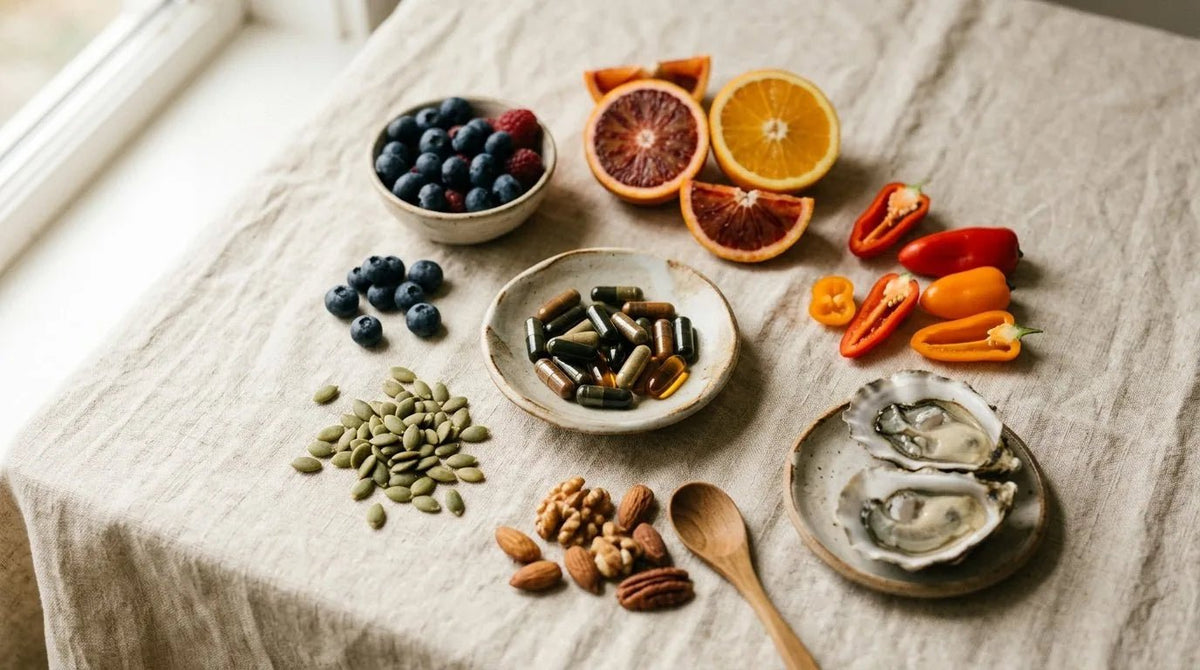
Ernährung bei Endometriose: Was wirklich hilft - Hormonic
EndometrioseJun 3, 20268 min read
Nutrition for Endometriosis: What Really Helps

Anti-inflammatory diet for endometriosis: What omega-3, Mediterranean diet, and co. can achieve according to research, and where the evidence reaches its limits.

Endometriose-Diagnose: Symptome, Ablauf und Blutwerte - Hormonic
DiagnostikJun 4, 20268 min read
Endometriosis Diagnosis: Symptoms, Process, and Blood Values

How endometriosis is diagnosed: typical warning signs, the process according to the new 2025 guideline, and what blood and hormone values really say.