
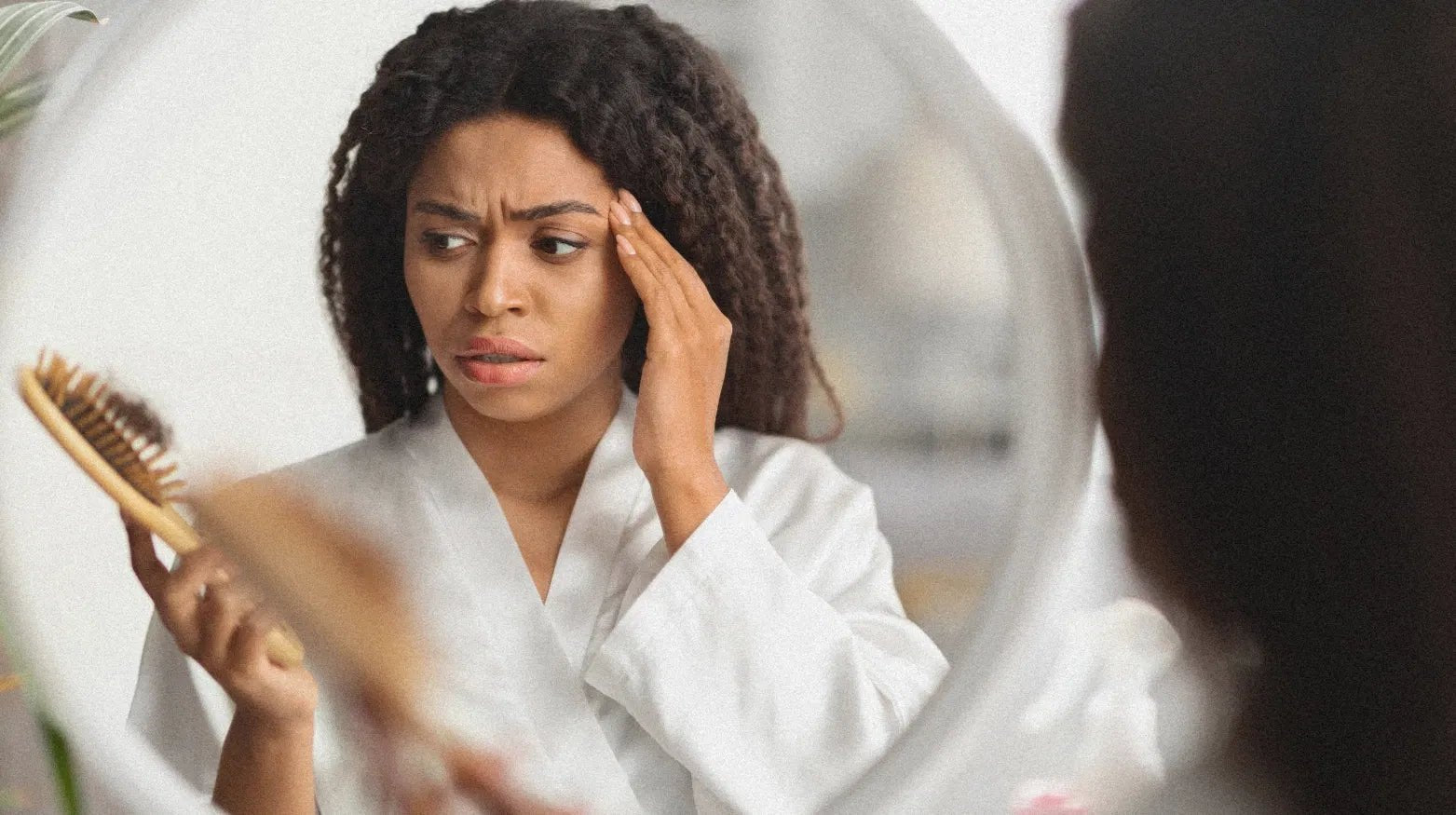
In my online consultations, this situation is almost in front of me every week. A woman in her late twenties changed her pill four months ago. For several weeks, so many hairs have been left behind when brushing that she has started counting them. Her question is always the same: Is it the pill?
The honest answer is more complicated than yes or no, and it has little to do with what is written about it in most guides. Hair loss from the pill does exist, but the path to it is usually different from what you probably expect. And that is exactly the good news, because this path is usually temporary.
Can the pill cause hair loss?
Yes, it can. But usually not in the way most people suspect. Oral contraceptives are listed in the dermatological literature among the medications that can cause telogen effluvium, i.e., temporary, diffuse hair loss (Asghar et al., 2020). The trigger is primarily the hormonal change itself: the start, the change of the preparation, or the discontinuation. Not a specific active ingredient that directly damages the hair.
This is an important distinction because it says something about the course. Telogen effluvium is reversible by definition. The hair follicle is not destroyed; it only temporarily switches to the resting phase. What you see is a shift in the timing of millions of hairs simultaneously, not a permanent loss.
In addition, there is a second, slower path that is discussed much less often: The pill lowers the levels of several micronutrients, and the hair follicle is one of the tissue types with the highest cell division rate in the body. We will come back to this further down.
What the pill does to your androgens
The combined pill lowers your active androgens, and significantly so. This is the best-supported part of this whole story. In a systematic review with a meta-analysis of 42 studies, free testosterone fell by 61 percent, total testosterone by 0.49 nmol/l, and SHBG increased by an average of 99 nmol/l (Zimmerman et al., 2014).
SHBG is the key here. The protein binds testosterone in the blood, thereby making it ineffective. The estrogen in the pill stimulates the liver to produce more of it. More SHBG means less free, biologically active testosterone, and that is exactly why free testosterone falls about twice as much as total testosterone.
For your hair, this is initially good news. The most common permanent hair loss in women, androgenetic alopecia, occurs because hair follicles react hypersensitively to androgens and shrink over years (Owecka et al., 2024). Less free testosterone works against this mechanism, not with it. That is why antiandrogenic pills are sometimes even used in dermatology to treat androgen-related skin and hair symptoms.
| Progestin group | Examples | How it is often classified | What is proven |
|---|---|---|---|
| Second generation | Levonorgestrel, Norethisterone | androgenic, bad for the hair | SHBG increases less, but the reduction in free testosterone was comparable |
| Third generation | Desogestrel, Gestodene | neutral | stronger SHBG increase, testosterone reduction with no clear difference |
| Antiandrogenic | Drospirenone, Dienogest, Cyproterone acetate | helps against hair loss | proven for mild hirsutism, Cochrane makes no statement on efficacy for scalp hair |
20% in your subscription: the nutrient foundation that the pill depletes
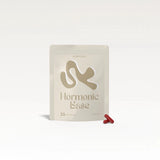
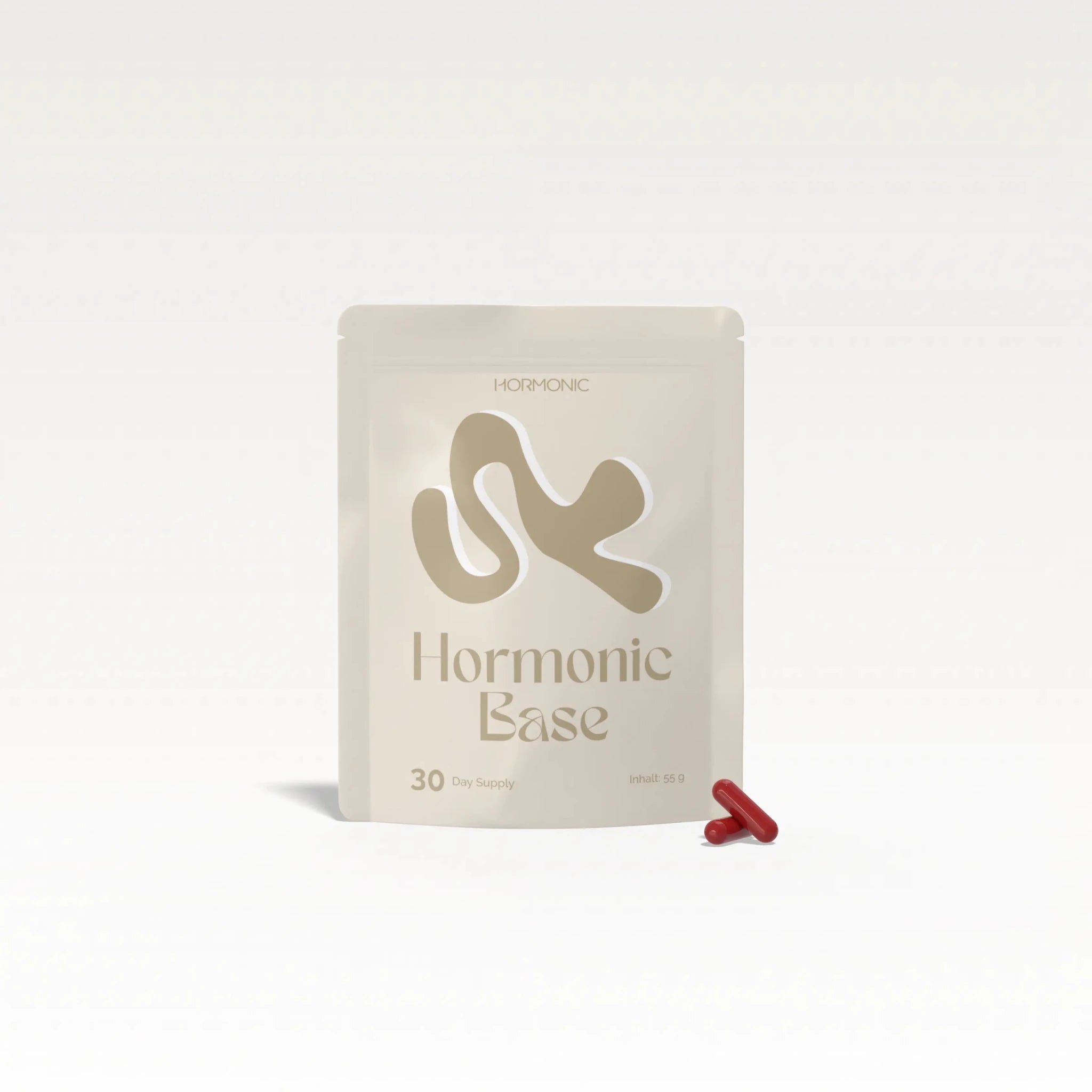
Start with a 20% discount on your subscription, free shipping, and a 30-day money-back guarantee. Hormonic Base contains exactly six of the micronutrients whose levels are lower when taking the pill: folate, vitamin B6, magnesium, selenium, zinc, and vitamin E (Palmery et al., 2013). According to the EFSA, zinc and selenium contribute to the maintenance of normal hair, vitamin B6 to the regulation of hormonal activity, and B6, folate, and magnesium to the reduction of tiredness. 16 micronutrients daily, developed by doctors and produced in Austria. Not a remedy for hair loss, but the basic supply you need during and after taking the pill anyway.
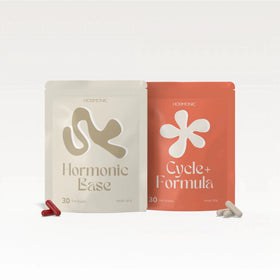
The Cycle Bundle: Base + Cycle+ at a discounted price
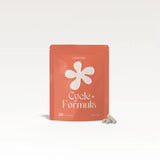
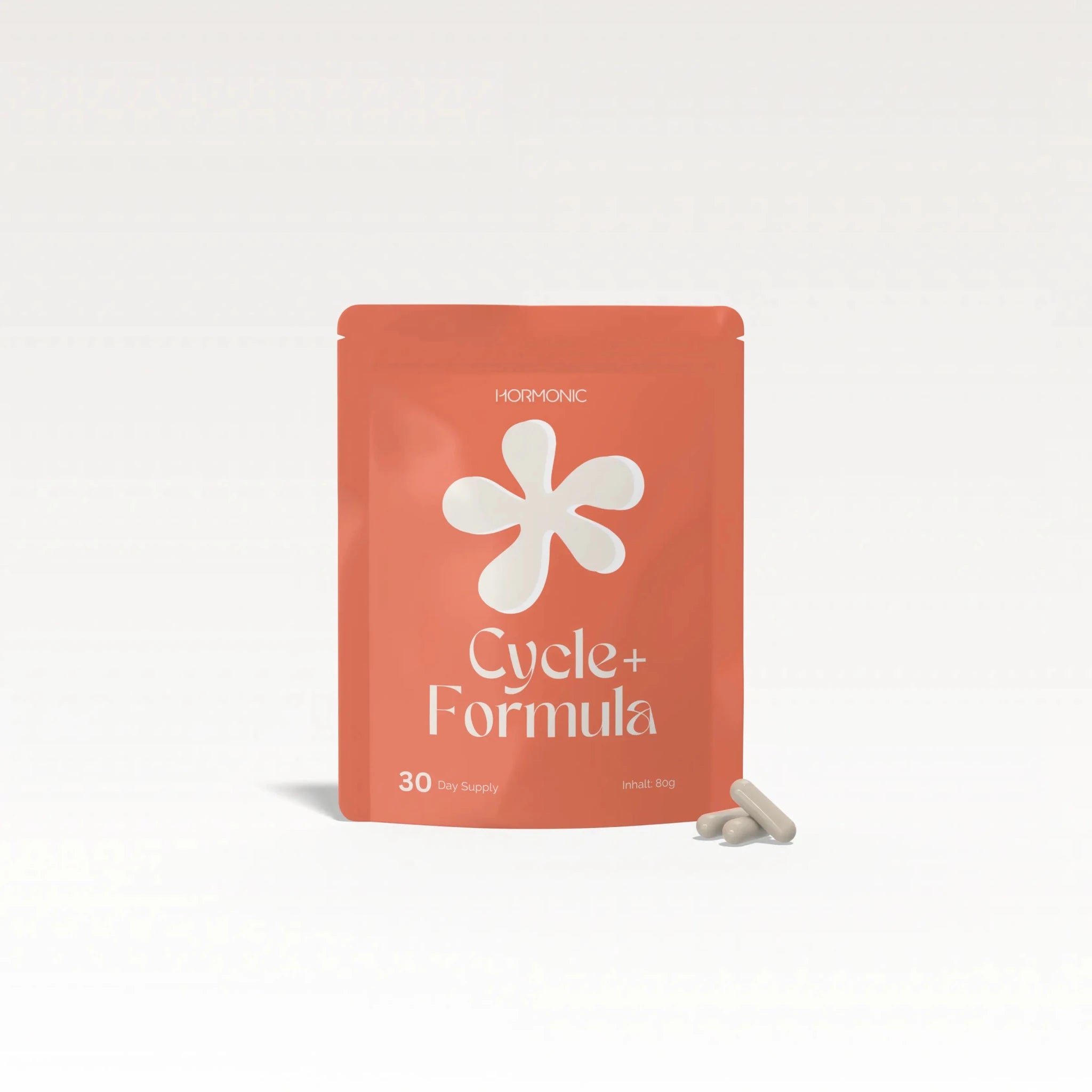
Cheaper than both separately, with a 20% subscription discount and free shipping. Base provides you with 16 micronutrients daily as a basic supply, while Cycle+ adds 8 active ingredients to support you around your cycle and ovulation, making 24 in total. Zinc is included in both formulas and, according to the EFSA, contributes to the maintenance of normal hair and nails. This is particularly useful if your cycle is also an issue alongside hair loss, for example after stopping the pill. Developed by doctors, produced in Austria, with a 30-day money-back guarantee.
Frequently Asked Questions About Hair Loss Caused by Birth Control Pills
Can the pill cause hair loss?
Which pill is better for hair loss?
Wie lange dauert Haarausfall durch die Pille?
Soll ich die Pille wegen Haarausfall absetzen?
Scientific Sources
- Zimmerman Y, Eijkemans MJC, Coelingh Bennink HJT, Blankenstein MA, Fauser BCJM (2014): The effect of combined oral contraception on testosterone levels in healthy women: a systematic review and meta-analysis. Human Reproduction Update 20(1):76-105. doi:10.1093/humupd/dmt038
- van Zuuren EJ, Fedorowicz Z, Schoones J (2016): Interventions for female pattern hair loss. Cochrane Database of Systematic Reviews, Issue 5, CD007628. doi:10.1002/14651858.CD007628.pub4
- van Zuuren EJ, Fedorowicz Z, Carter B, Pandis N (2015): Interventions for hirsutism excluding laser and photoepilation therapy alone. Cochrane Database of Systematic Reviews, Issue 4, CD010334. doi:10.1002/14651858.CD010334.pub2
- Asghar F, Shamim N, Farooque U, Sheikh H, Aqeel R (2020): Telogen Effluvium: A Review of the Literature. Cureus 12(5):e8320. doi:10.7759/cureus.8320
- Owecka B, Tomaszewska A, Dobrzeniecki K, Owecki M (2024): The Hormonal Background of Hair Loss in Non-Scarring Primary Alopecias. Biomedicines 12(3):513. doi:10.3390/biomedicines12030513
- Palmery M, Saraceno A, Vaiarelli A, Carlomagno G (2013): Oral contraceptives and changes in nutritional requirements. European Review for Medical and Pharmacological Sciences 17(13):1804-1813. PMID 23852908
About the Author

You might also be interested in this.
You’ve stopped taking the pill and are suffering from hair loss? You’re not alone. According to a recent study, this affects a full 26% of all women who stop taking the pill. Despite the significan...

Why women lose hair, what's behind diffuse hair loss, and which measures are scientifically proven. Medically reviewed overview of causes, the hair cycle, and the most important nutrients.

Are you considering discontinuing the pill, or have you already done so? This guide provides evidence-based information on what happens in your body, typical side effects and symptoms, and how long...