Cart

Your cart is empty

Continue shopping

Trending searches

Featured products

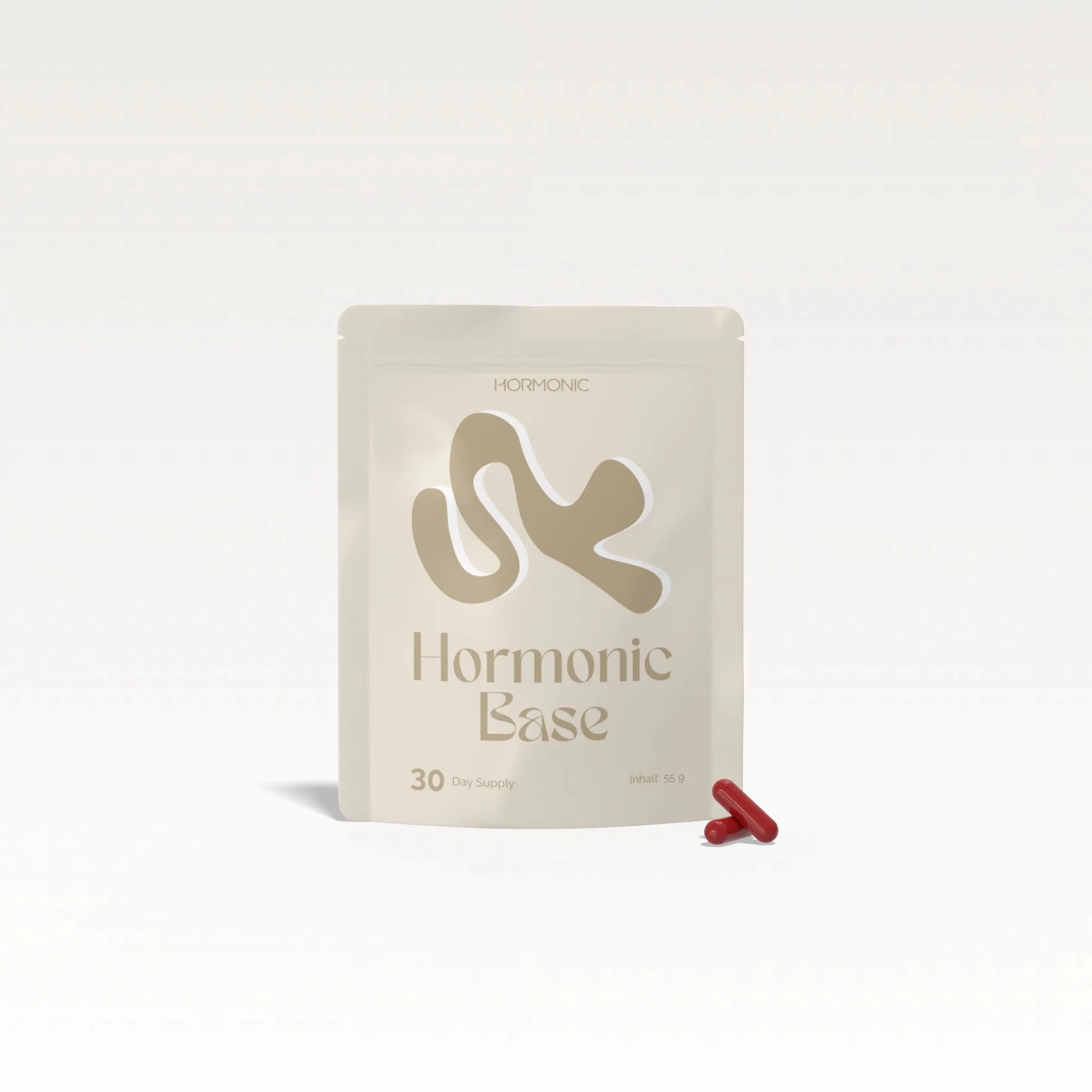
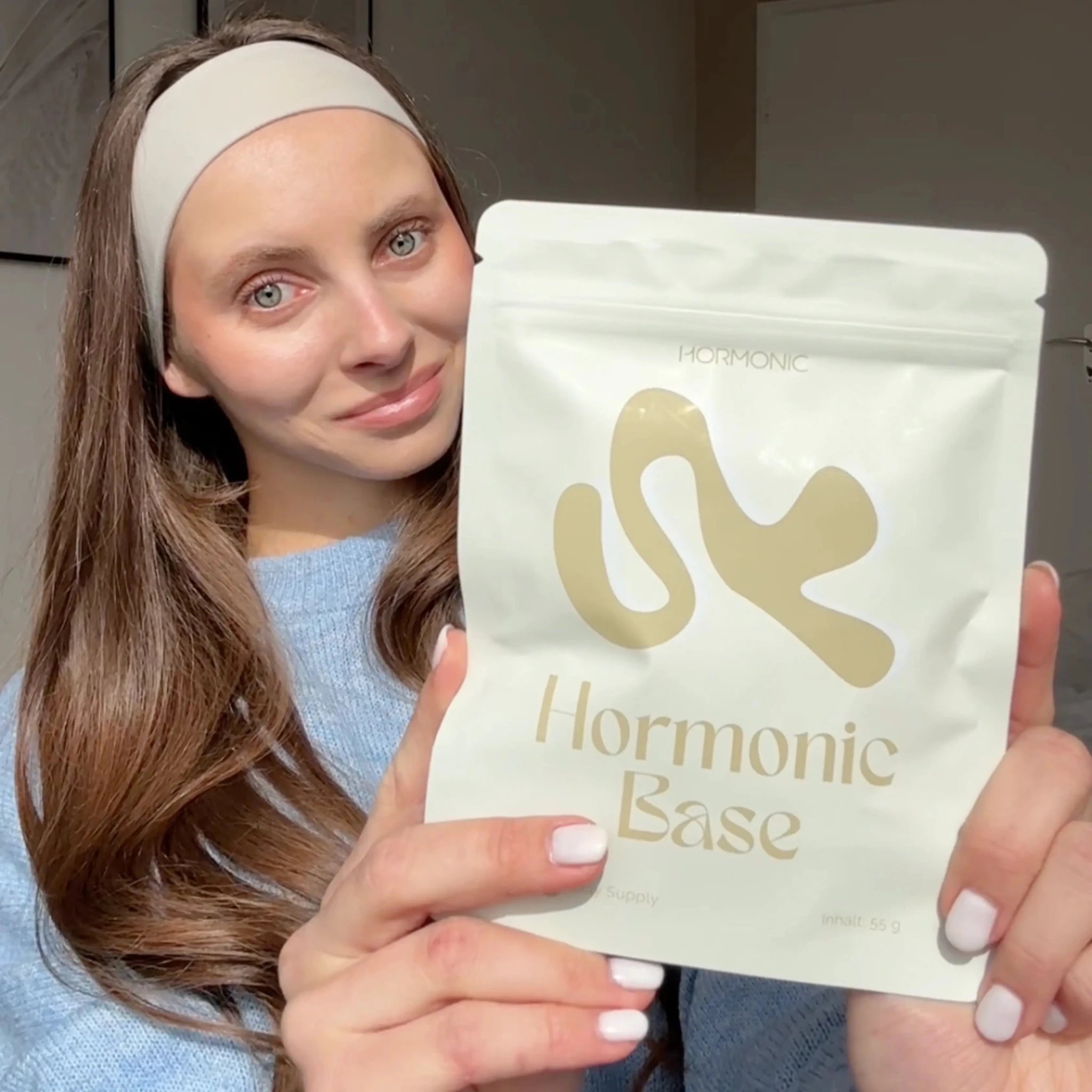
Hormonic Base - Hormonic - Nahrungsergänzungsmittel
Sale price€65,00
(5.0)
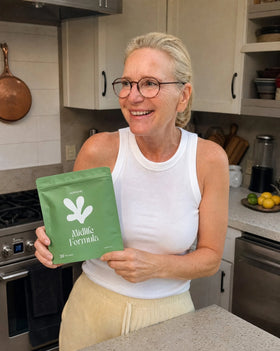
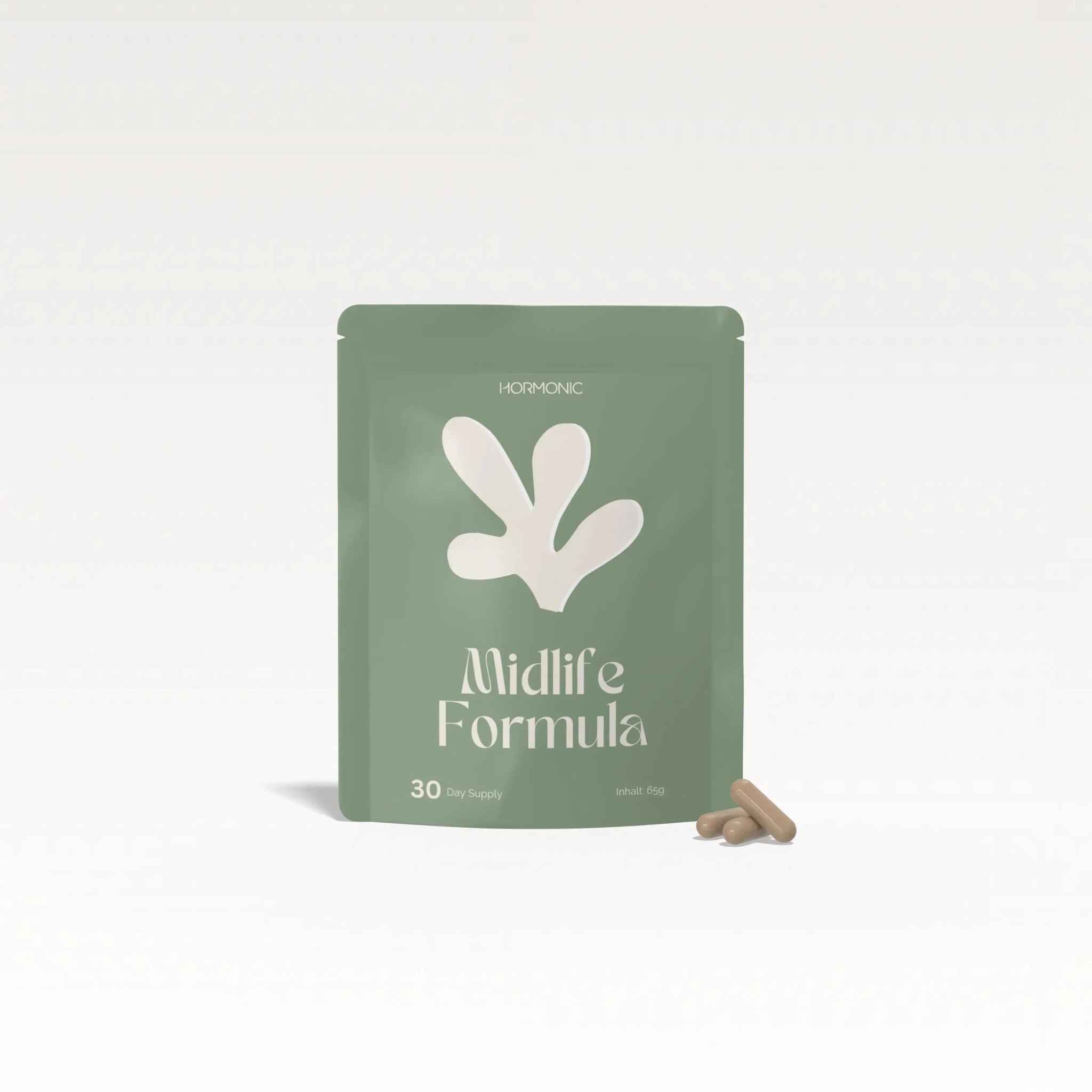
Midlife Formula - Hormonic - Nahrungsergänzungsmittel
Sale price€75,00
(5.0)
Hausmittel in den Wechseljahren: Was wirklich hilft - Hormonic
Sep 13, 20266 min read

Home remedies for menopause: What really helps

This article is part of: Perimenopause and Menopause: The Complete Medical Guide

Before many women consider hormones or capsules, they turn to what grandma already knew: a tea for sweating, cool rooms, the right diet. And indeed, some home remedies for menopause help surprisingly well, while others are more of a myth. Here you'll find everyday tips that can make a difference, honestly categorized.

What home remedies can and cannot do for menopause

Home remedies can alleviate typical menopausal symptoms and make everyday life more pleasant, especially for mild to moderate symptoms. However, they do not compensate for declining estrogen levels. They are most effective in combination: a cool lifestyle, good nutrition, exercise, and relaxation work together more powerfully than any single remedy.

The great advantage: most home remedies are inexpensive, have few side effects, and can be implemented immediately. Where scientific evidence is thin, we'll tell you.

Symptom Home remedy in everyday life What's behind it
Hot flashes Paced breathing, avoiding triggers, sage tea, sleeping cool reduces triggers and frequency
Sleep & Restlessness Sleep hygiene, yoga, magnesium-rich diet calms the nervous system
Bloating Fennel-anise-caraway tea, fiber, exercise supports digestion
Skin & Hair Omega-3, drink plenty, mild care compensates for moisture loss
Mood & Energy Exercise, daylight, social contacts lifts mood, structures the day
Did you know?

Even slow, conscious breathing at around six breaths per minute can reduce the intensity of hot flashes, without the need for medication. This technique is studied as Paced Breathing.

Home remedies for hot flashes and sweating

Hot flashes are the most common complaint, and everyday strategies are the most reliable here. Consciously breathing deeply and slowly, about six breaths per minute (Paced Breathing), can dampen the intensity; it's best to practice several times a day. Coffee, alcohol, spicy food, nicotine, and stress are common triggers; a small symptom diary helps to identify one's own triggers.

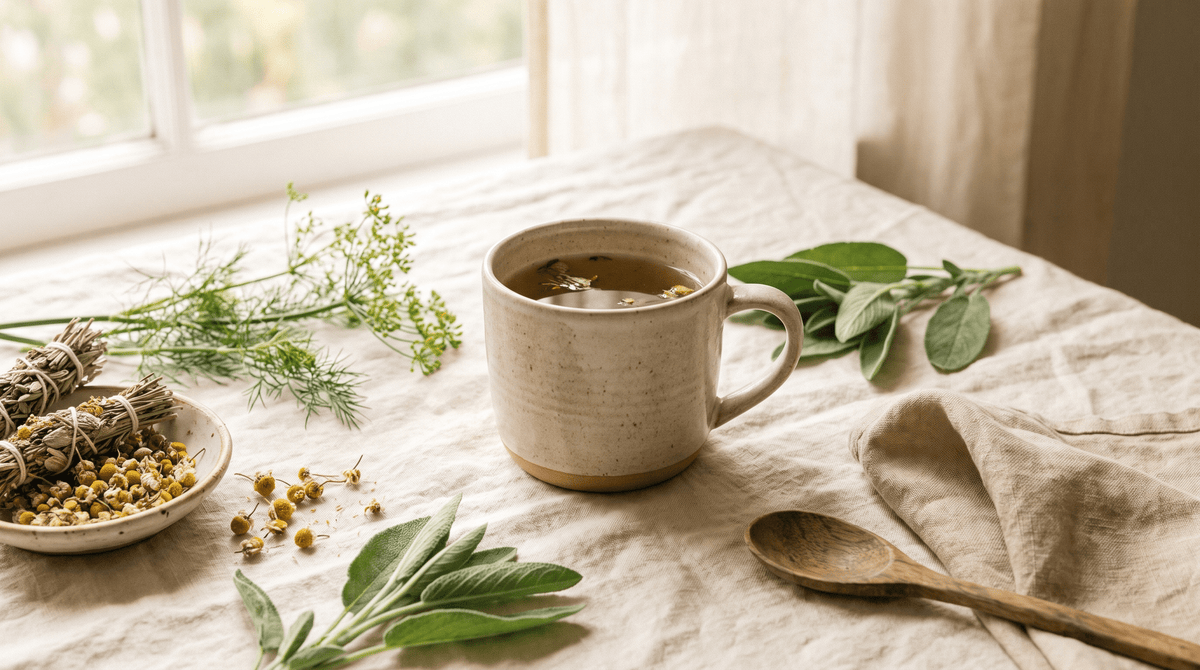
Immediate relief can be found with layered clothing, breathable natural fibers, a cool bedroom, and a fan by the bed. Sage teais the classic grandma's home remedy for sweating; although studies are limited, many women find it pleasant.

Home remedies for better sleep and inner peace

Sleep disturbances and inner restlessness burden many women more than the heat itself. In everyday life, regular sleep times, a cool, dark bedroom, less screen time in the evening, and caffeine only in the morning help. Relaxation rituals such as yoga, a warm shower before bedtime, or a few minutes of conscious breathing prepare the body for sleep. A magnesium-rich diet with nuts, legumes, and green vegetables completes the picture.

Physician-formulated botanicals for menopause

Many women combine everyday home remedies with targeted botanicals. The Hormonic Midlife Formula bundles 9 physician-selected botanicals, such as red clover and saffron, for which there are promising studies on menopausal symptoms, with additional micronutrients for this stage of life. Produced in Austria.
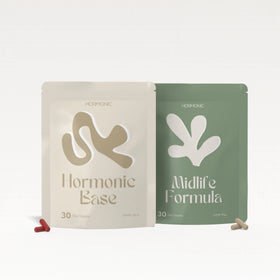
Discover Midlife Formula

Grandma's home remedies for digestion and bloating

For many, a sluggish bowel and bloatingare part of menopause. Teas made from fennel, anise, and caraway, sufficient fiber and fluids, eating slowly, and regular exercise after meals have proven effective. Fermented foods such as yogurt or sauerkraut are also traditionally valued for good digestion.

Skin, hair, and vaginal dryness

Decreasing estrogen makes skin and hair drier. Internally, sufficient water, high-quality fats with omega-3 from flaxseed, walnuts, and herring, as well as a protein-rich diet help. Externally: mild, re-moisturizing care instead of aggressive products. For vaginal dryness, water-based moisturizing gels are a simple first aid. If symptoms persist, medical consultation is advisable, as there are also highly effective local treatments.

What you can combine in everyday life

The mix is most effective: daily exercise with some strength training, daylight in the morning, regular meals with enough protein and fiber, and conscious recovery periods. Targeted plant compounds such as isoflavones supplement the diet; you can read about how they work in our article on herbal remedies during menopause.

The complete menopause routine

For daily basic support plus targeted assistance, the Midlife Bundle combines the Midlife Formula with Hormonic Base, coordinated and at a reduced price.

Start with a price advantage

Conclusion

Home remedies are a good first step: inexpensive, gentle, and immediately applicable. Quiet breathing, cool routines, the right diet, and sage tea can noticeably help against hot flashes, sleep problems, and indigestion. Their limit is where symptoms persist. Then, targeted plant compounds or a hormone therapy discussed with a doctor are the next sensible step, not a contradiction to a natural approach, but its complement.

Frequent questions about home remedies during menopause

Which home remedies really help with hot flashes?

Behavioral measures are best documented: slow breathing (paced breathing), avoiding triggers like coffee, alcohol, and spicy foods, dressing in layers, and keeping the bedroom cool. Sage tea is traditionally used, but studies on its effectiveness are limited.

What helps with sleep problems during menopause?

Fixed bedtimes, a cool and dark bedroom, less screen time in the evening, caffeine only in the morning, and relaxation rituals like yoga or conscious breathing. A magnesium-rich diet also helps.

Was sind gute Omas Hausmittel gegen Wechseljahresbeschwerden?

Salbei-Tee gegen Schwitzen, Fenchel-Anis-Kümmel-Tee gegen Blähbauch, Leinsamen und Sojaprodukte als natürliche Isoflavon-Quellen sowie viel Bewegung an der frischen Luft gehören zu den beliebtesten Hausmitteln.

Wann reichen Hausmittel in den Wechseljahren nicht mehr aus?

Wenn Beschwerden stark bleiben, der Schlaf dauerhaft leidet oder die Stimmung kippt, sind Hausmittel allein oft nicht genug. Dann sind gezielte Pflanzenstoffe oder eine ärztlich besprochene Hormontherapie sinnvoll.

Scientific Sources

  • The North American Menopause Society (2023). Nonhormone therapy position statement. Menopause 30(6):573-590.
  • NICE Guideline NG23 (2015, updated 2019). Menopause: diagnosis and management.
  • AWMF S3 Guideline Peri- and Postmenopause: Diagnostics and Therapy (Reg. No. 015-062).

About the Author

Amelie Weiss

Amelie Weiss

Research Fellow, PhD · Hormonic

Amelie Weiss is a Research Fellow at Hormonic and conducts scientific research on hormonal health, micronutrients, and evidence-based women's health.

This article is for informational purposes only (last updated September 2026) and does not replace medical advice, diagnosis, or treatment. For severe or persistent menopausal symptoms, please consult your doctor.

Share

You might also be interested in this.
Woran erkenne ich die Wechseljahre? Die 10 häufigsten Symptome - Hormonic
WechseljahreOct 29, 202511 min read
Menopause Symptoms: Recognizing the 34 Signs

Recognizing Menopause Symptoms: The 34 Typical Signs from Hot Flashes to Joint Pain, Organized into Five Groups, with the Hormonal Background and What Really Helps You.
Pflanzliche Mittel in den Wechseljahren: Was wirklich hilft - Hormonic
WechseljahreNov 16, 20256 min read
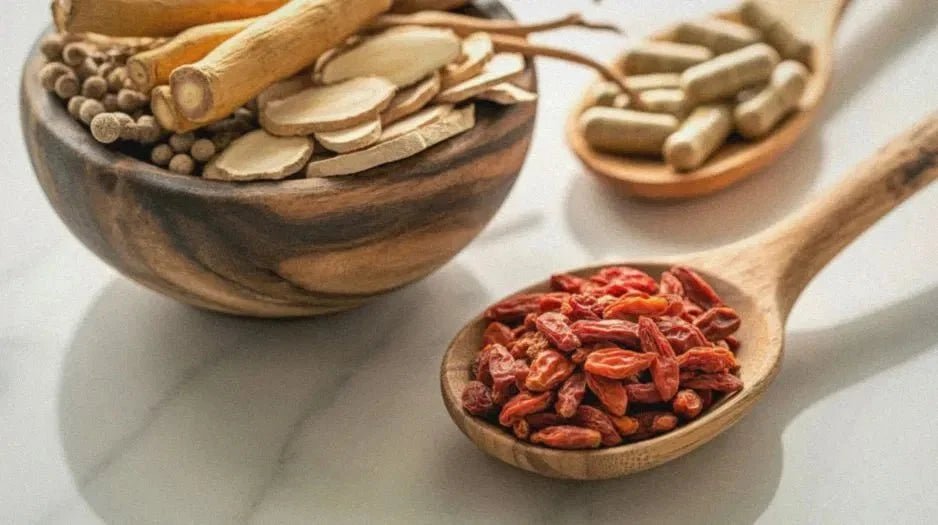
Plant compounds during menopause

What helps with hot flashes, mood swings, or trouble sleeping? Studies show these plant-based compounds can support you through menopause.
Nahrungsergänzung in den Wechseljahren: Was wirklich sinnvoll ist - Hormonic
WechseljahreJun 27, 202610 min read
Dietary supplements in menopause: What really makes sense

Which supplements are really useful during menopause: from vitamins D, K2, and magnesium to saffron and resveratrol, honestly assessed based on scientific studies.