



The pill is the most widely used birth control method worldwide, but its effects on hormones, psyche, and nutrients are underestimated. This article provides an honest, evidence-based overview.
In short: The pill is a well-studied contraceptive that is safe for most women. Like any medication, though, it can have side effects, ranging from harmless and usually temporary ones like spotting or breast tenderness to rare but serious risks such as a thrombosis. For some women, it is therefore not the best choice.
Key takeaways
- Common side effects are usually harmless and often ease within the first few months: spotting, nausea, breast tenderness and headaches.
- Some women report low mood or a decreased libido; studies here observed mixed results that vary greatly from person to person.
- The best-known serious risk is thrombosis. It is rare, but the relative risk rises measurably with estrogen-containing pills.
- Women who smoke and are over 35, those with migraine with aura, or with a family tendency toward thrombosis should be especially cautious.
- After stopping, the body usually returns to normal within a few months; some complaints such as hair loss may appear temporarily.
- The choice of contraception is individual and always belongs in a doctor's hands.
Hardly any medication is prescribed as often, and discussed as controversially, as the birth control pill. Millions of women take it every day, many of them for years, and yet the same questions keep coming up: How dangerous is the pill really? Which side effects are normal, and when should I start paying closer attention?
That is exactly what I want to put into honest perspective here, without scaremongering and without playing anything down. The pill is safe for most women, but it simply isn't the right choice for everyone. And the better you understand the possible side effects, the more confidently you can decide together with your doctor. By Lisa Maria Emmer, Founder of Hormonic and a licensed physician.
What side effects does the pill have?
The side effects of the pill range from common, mostly harmless effects to rare but serious risks. The most common are spotting, nausea, breast tenderness and headaches, which often ease within the first three months. On top of that, there can be possible effects on mood, libido and nutrient balance. Rare but important are the increased risk of thrombosis and effects on the heart and circulation. The overview below sorts the most important categories.
| Category | Typical examples |
|---|---|
| Common & mostly harmless | Spotting, nausea, breast tenderness, headaches |
| Mood & mental health | Low moods, lack of drive, rarely depressive moods |
| Libido | Decreased sexual desire in some women |
| Skin & hair | Improvement or worsening of acne, temporary hair loss after stopping |
| Nutrient balance | Possible effect on B vitamins, folate, zinc and magnesium |
| Rare & serious | Thrombosis and embolism, increased risk with smoking or migraine with aura |
Did you know?
Many of the typical early complaints like spotting or nausea are a sign that your body is still getting used to the new hormones. Studies observed that these side effects ease noticeably in most women within the first three months. If they last longer, it's worth talking about a different preparation.
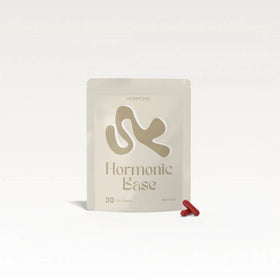
Support your body after the pill
After coming off the pill, many women want to support their body in a targeted way. Hormonic Base provides 16 carefully dosed micronutrients, including B vitamins and folate, which contribute to a normal energy metabolism and normal psychological function, as well as zinc, which plays a role in normal hormonal balance. Expert-developed, made in Austria.
€65,00
Stop or switch birth control pills?
In a free initial consultation, we discuss your options, alternatives, and how to make the transition as smooth as possible.
Frequently asked questions about the side effects of the pill
What side effects does the pill have?
How long do side effects last after coming off the pill?
Is the pill dangerous?
Which pill has the fewest side effects?
Scientific Sources
- de Bastos, M. et al. (2014). Combined oral contraceptives: venous thrombosis. Cochrane Database of Systematic Reviews, (3), CD010813. doi:10.1002/14651858.CD010813.pub2
- Dragoman, M. V. et al. (2018). A systematic review and meta-analysis of venous thrombosis risk among users of combined oral contraception. International Journal of Gynaecology and Obstetrics, 141(3), 287-294. doi:10.1002/ijgo.12455
- Mørch, L. S. et al. (2017). Contemporary Hormonal Contraception and the Risk of Breast Cancer. New England Journal of Medicine, 377(23), 2228-2239. doi:10.1056/NEJMoa1700732
- Iversen, L. et al. (2017). Lifetime cancer risk and combined oral contraceptives: the Royal College of General Practitioners' Oral Contraception Study. American Journal of Obstetrics and Gynecology, 216(6), 580.e1-580.e9. doi:10.1016/j.ajog.2017.02.002
- Skovlund, C. W. et al. (2016). Association of Hormonal Contraception With Depression. JAMA Psychiatry, 73(11), 1154-1162. doi:10.1001/jamapsychiatry.2016.2387
- World Health Organization (2015). Medical eligibility criteria for contraceptive use (5th ed.). Geneva: WHO.
You might also be interested in this.

Does the pill really make you gain weight? Three mechanisms explain why it feels that way, which pill doesn't make you gain weight, and 6 tips that really help.

Are you considering discontinuing the pill, or have you already done so? This guide provides evidence-based information on what happens in your body, typical side effects and symptoms, and how long...

The pill or the hormonal IUD? We explain the scientifically sound effects, advantages, and risks of both contraceptives and provide you with medically reviewed guidance to help you make an informed...