

What is the menopause actually like for women? Here are honest experiences: the first signs no one took seriously, hot flashes and sleep, mood and energy, and what helped navigate this phase of life. No drama, just real insights from woman to woman.
What women report most frequently during menopause
You can find the medical classification of all symptoms and phases in our comprehensive menopause guide. Here, it is about the lived experience.
- The first signs (restless sleep, irritability, cycle changes) are often attributed to menopause too late.
- Hot flashes and night sweats are what people talk about most, but sleep and mood are often more burdensome.
- Many feel relieved once they understand what is happening.
- A calm routine with targeted nutrients makes this phase more bearable for many.
Free self-test · approx. 2 minutes
Am I in menopause? Take the check.
Assess your symptoms in just a few minutes, anonymously and without the need to register to start. The test does not replace a medical diagnosis.
Take the self-test →The typical progression as experienced by women
- Perimenopause (often mid-40s): Cycles become irregular, sleep suffers, and mood fluctuates without many realizing the cause.
- Transition years: Hot flashes, night sweats, weight changes, and energy dips become more pronounced.
- Around menopause: The period stops completely, and symptoms are often at their most intense. Adjustments to daily life are recommended, as the body works differently than before.
- Postmenopause: Many report that things calm down once the routine and support are right.
Testimonials
"I thought for a long time that I was just exhausted and stressed. It wasn't until a doctor told me that my poor sleep and irritability were part of perimenopause that we started using specific plant-based supplements for sleep. Now I take the Midlife Bundle and I sleep like a baby!"
"The hot flashes in the middle of the night were wearing me down. What helped me was a fixed evening routine and finally taking my nutrients consistently."
"What I struggled with most was the inner restlessness. I didn't recognize myself anymore. Over time and with a little support, the tension has eased."
"Suddenly my weight went up, even though I hadn't changed anything. I learned to be more patient with myself and to rely on exercise and micronutrients instead of diets. It works great; I reached my dream weight without the struggle."
"I wish someone had told me sooner that this phase passes. It was really strange, the new things you feel every day. Brain fog, heat, forgetfulness... Today I feel more stable than I have in years, with a routine that suits me."
What else women report
Sleep and night sweats. A great many report waking up at two or three in the morning and being unable to fall back asleep, often drenched in sweat. It is not falling asleep that is the problem, but staying asleep, and the exhaustion the next day drags everything else down with it.
Mood, irritability, and inner restlessness. One phrase comes up particularly often: "I don't recognize myself." Women describe mood dips, shorter fuses with minor things, and an inner restlessness that wasn't there before.
Concentration and brain fog. Difficulty finding words, forgetfulness, the feeling of a fog in the head: brain fog unsettles many more than hot flashes because it is noticeable at work and in everyday life.
Weight and belly. Noticeably common: weight gain, especially around the stomach, even though nothing has changed in terms of diet and exercise. You can read why this happens in our article on belly fat during menopause.
Joints and muscles. Stiff fingers in the morning, aching knees, the feeling that everything is twinging: joint and muscle complaints are rarely associated with menopause, but appear often in reports. We have addressed this in the article on joint pain during menopause.
Skin, hair, and nails. The skin becomes drier and more sensitive, hair thinner, nails more brittle. For many, this is the most visible part of the change.
Libido and intimate area. Lower desire and vaginal dryness are topics that hardly anyone talks about openly, but which are mentioned very frequently once trust is established.
Energy and resilience. The afternoon slump and the feeling of being less able to handle things than before: many describe having to re-manage their energy.
Heart palpitations and dizziness. Some report heart flutters or brief moments of dizziness. This is unsettling, but should be checked by a doctor to rule out other causes.
What resonates through almost all reports is relief once it becomes clear that these symptoms are connected and have a name. And that a calm routine with the right nutrients, such as a well-dosed magnesium during menopause, makes everyday life noticeably easier.
What has helped many through menopause
A common thread: understanding what is happening, getting medical support, and having a calm, reliable routine. Depending on how much support you want and whether natural plant-based substances are an option for you, there are three ways to start with the Midlife Formula.
Getting started
Midlife Formula
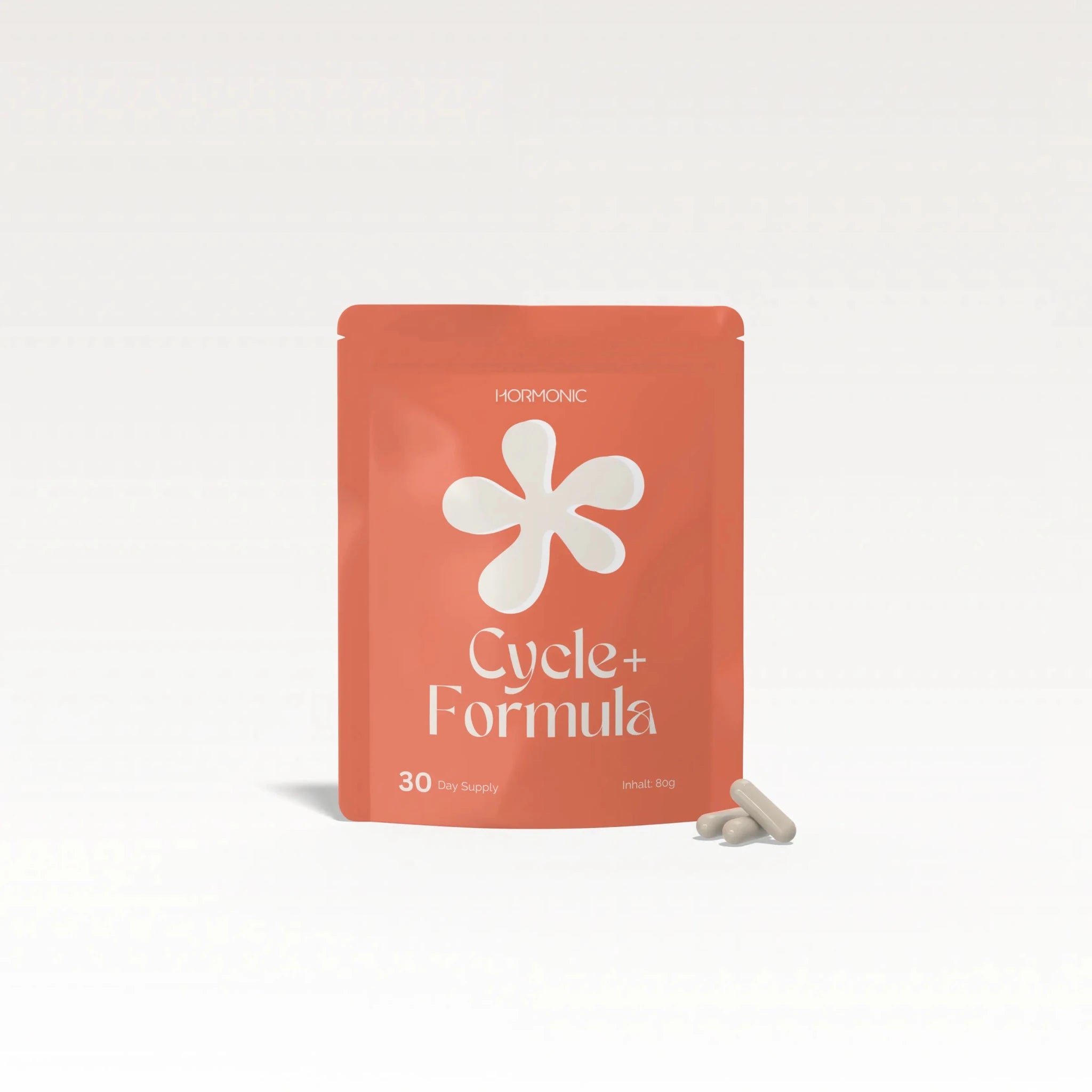
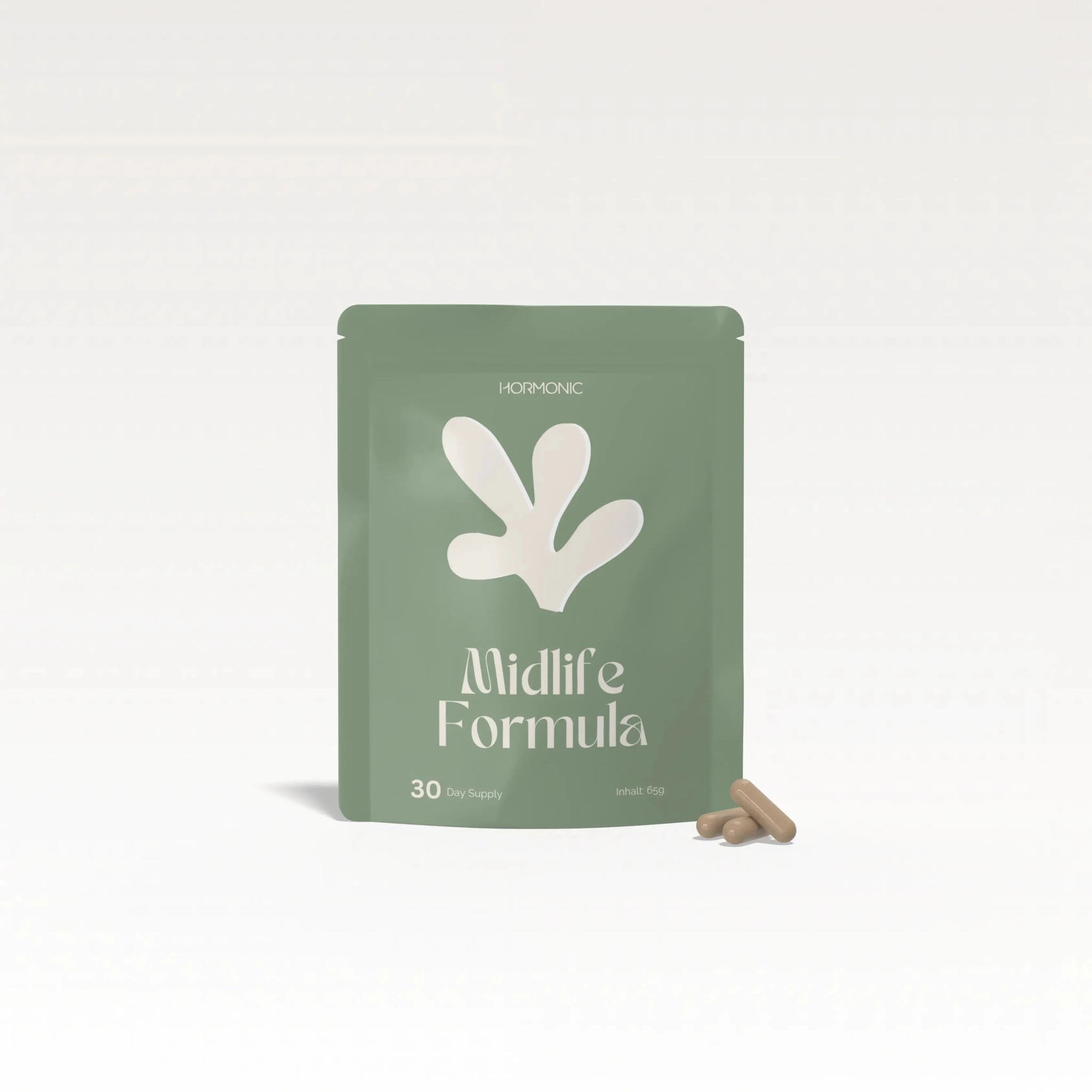
The targeted formula for menopause with 9 medically selected plant-based ingredients like red clover, L-theanine, and saffron, if you want to start with one thing.
€60 subscription · €75 one-time
Go to Formula →The complete routine
Midlife Bundle
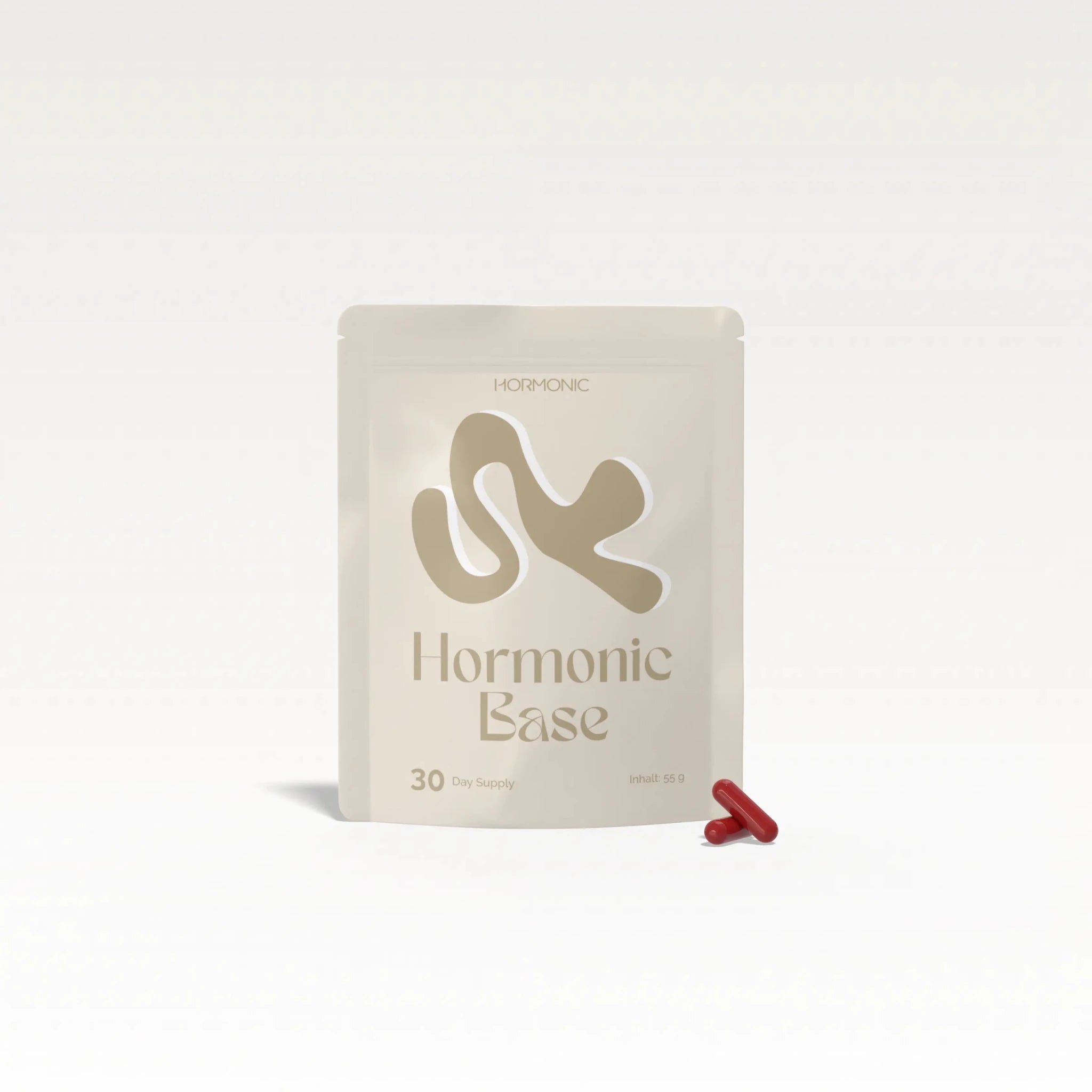
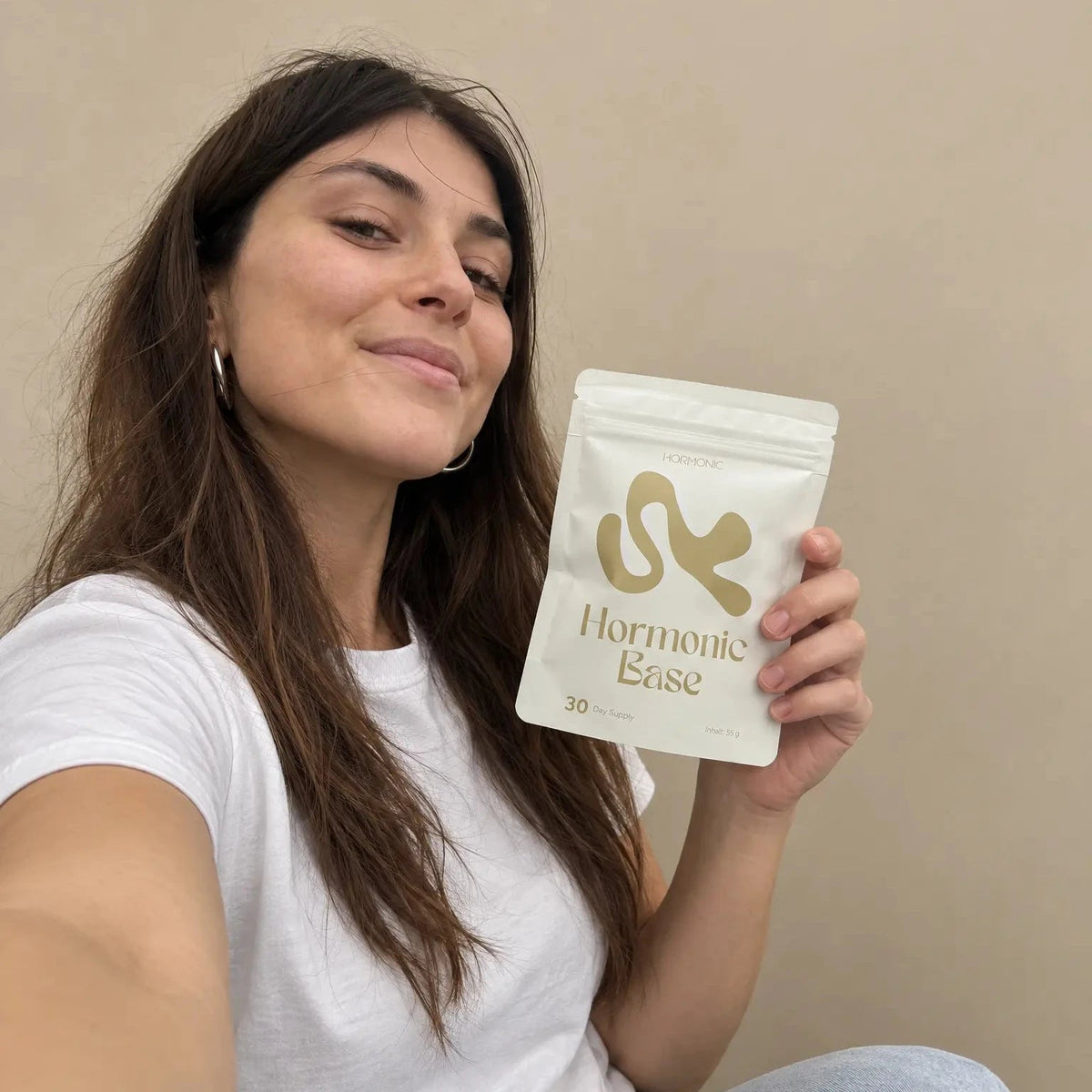
Midlife Formula plus Hormonic Base as a daily nutrient foundation, the coordinated menopause routine in one set. For women who don't want to do things by halves.
€100 subscription · €125 one-time
Go to Bundle →THE CHERRY ON TOP
Midlife Shape Bundle
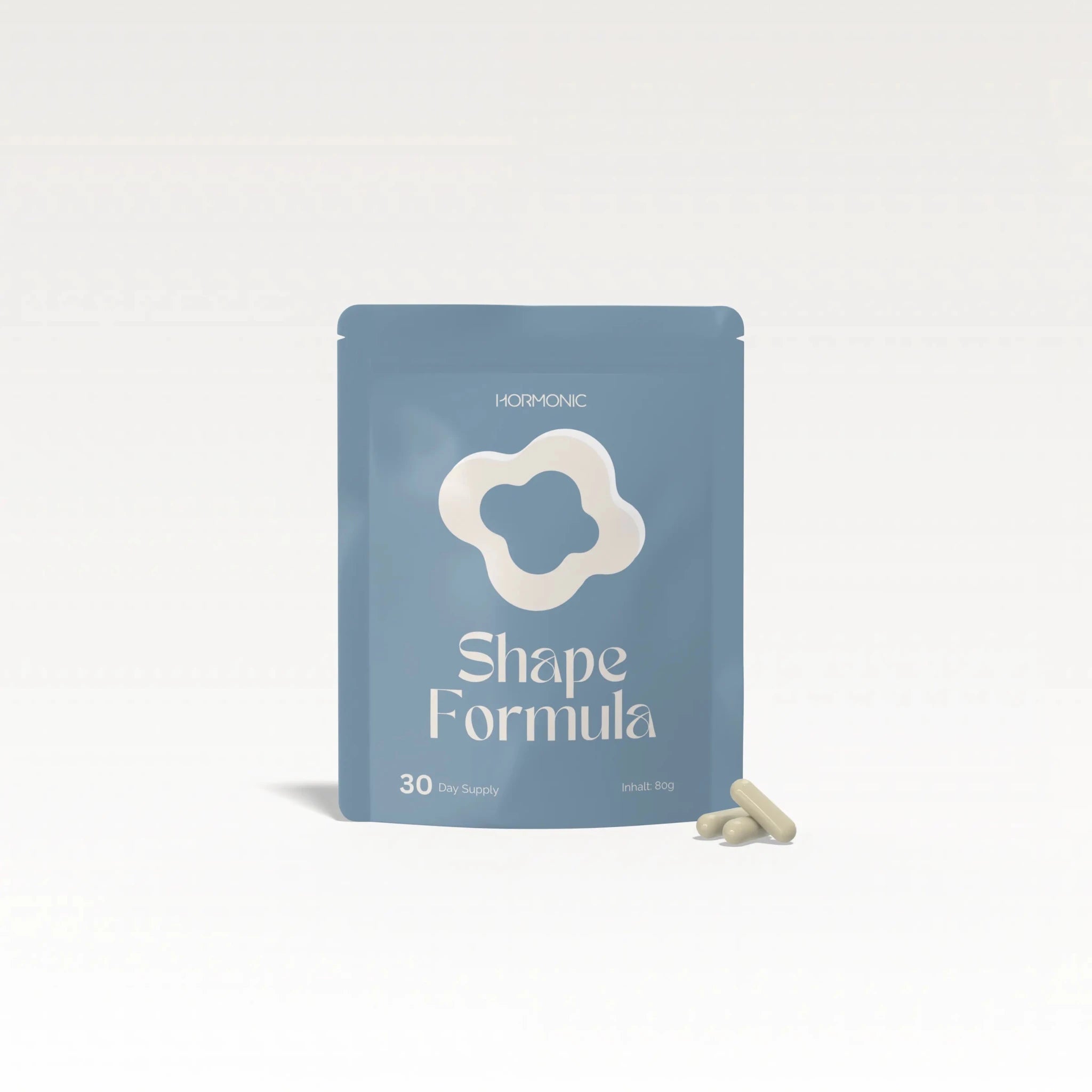
Midlife Formula, Shape Formula, and Base together, if you are concerned with metabolism and weight alongside menopause.
€140 subscription · €175 one-time
View Shape Bundle →Unsure what suits you? Our doctors are happy to accompany you in a free initial consultation.
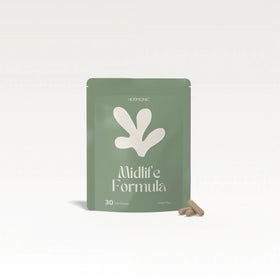
Midlife Formula: made for this phase of life
9 active ingredients such as red clover, saffron, and creatine, specifically combined for the time from perimenopause onwards. Hormone-free, vegan, and developed by female doctors.
€75,00
Common questions about menopause experiences
When does menopause start?
What complaints are most bothersome?
Kann ich die Wechseljahre aktiv unterstützen?
Wie lange dauern die Wechseljahre?
Scientific Sources
- AWMF S3 Guideline Peri- and Postmenopause: Diagnostics and Therapy (Reg. No. 015-062).
- The North American Menopause Society (2023). Nonhormone therapy position statement. Menopause 30(6):573-590.
- NICE Guideline NG23 (2015, updated 2019). Menopause: diagnosis and management.
About the Author

You might also be interested in this.

Recognizing Menopause Symptoms: The 34 Typical Signs from Hot Flashes to Joint Pain, Organized into Five Groups, with the Hormonal Background and What Really Helps You.

Which supplements are really useful during menopause: from vitamins D, K2, and magnesium to saffron and resveratrol, honestly assessed based on scientific studies.

Losing weight during menopause feels harder, and there are reasons for that. What studies say really helps, from protein to strength training to diet.