Offer ends in10:00

Cart

Your cart is empty

Continue shopping

Trending searches

Featured products

Hormonic Base - Hormonic - Nahrungsergänzungsmittel
Sale price€65,00
(5.0)
Midlife Formula - Hormonic - Nahrungsergänzungsmittel
Sale price€75,00
(5.0)
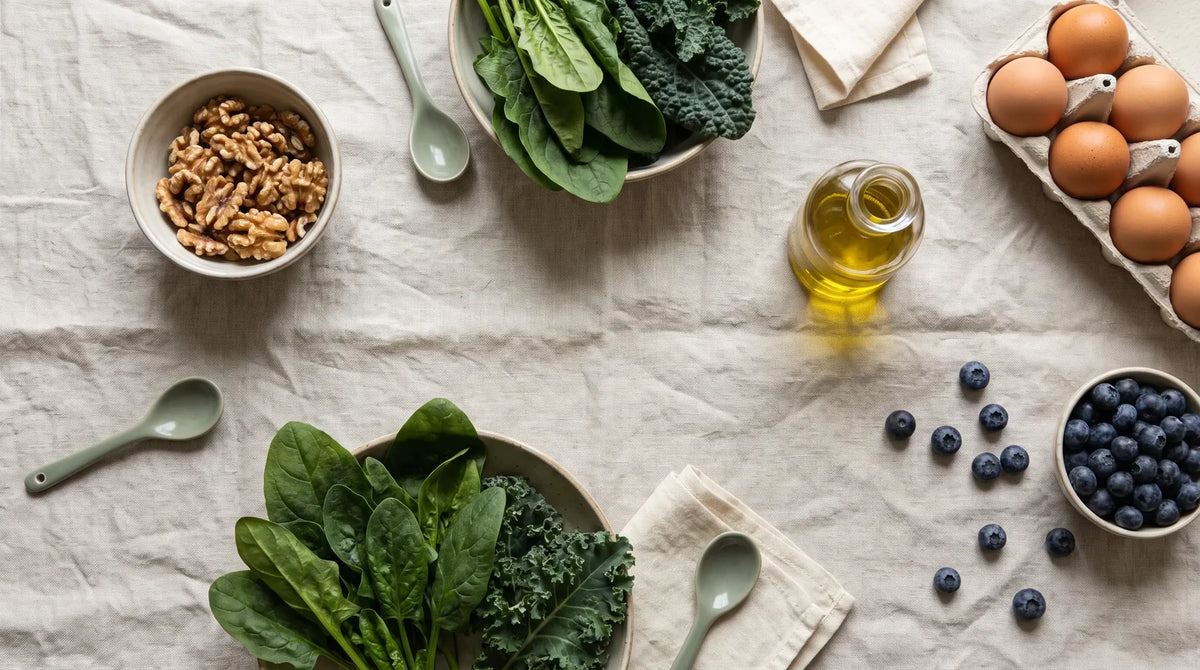
Nährstoffreiche Lebensmittel wie Spinat, Walnüsse, Eier und Beeren auf Leinen, Symbolbild für evidenzbasiertes Fertility Maxxing
FruchtbarkeitSep 7, 20268 min read

Fertility Maxxing: What the Trend Offers and What Really Helps

This article is part of: Fertility Boost: How Nutrition and Supplements Can Improve the Chances of Getting Pregnant

"Fertility maxxing" is everywhere right now. On my FYP, in every other reel, in the messages we receive daily at Hormonic. When I first scrolled through these videos, it wasn't the volume that surprised me, but the mix: only a few seconds separated a woman meticulously tracking her basal temperature from a man dipping his testicles in ice water. That is exactly the problem with this hype; sound science and complete nonsense stand right next to each other, and it is almost impossible for you to recognize what actually works.

I am Lee, co-founder of Hormonic, and we built our brand to bridge exactly this gap: serious, understandable answers instead of even more trend noise. Fertility maxxing means optimizing your own fertility as thoroughly as possible, and the core idea isn't actually wrong: your lifestyle measurably influences your reproductive health. It's just that not every viral recommendation is backed by studies. That is why you get my honest take on the hype here: what's real, what's total rubbish, and what actually helps your fertility according to studies.

What Is Fertility Maxxing?

Fertility maxxing is a catch-all term for practices people use to actively improve their fertility. It belongs to the "maxxing" wave of self-optimization, which also includes looksmaxxing or gymmaxxing, and received a lot of attention in 2025 and 2026 in media outlets like Cosmopolitan, Newsweek, and the German press.

For women, the trend is primarily about cycle and ovulation tracking, targeted micronutrients, reducing endocrine disruptors like plasticizers, and dietary adjustments such as seed cycling. On the male side, the whole thing goes by the name "spermmaxxing," where dubious methods circulate alongside sensible advice. The basic pattern is always the same: lots of enthusiasm, very varying evidence.

Practice The Idea Behind It Evidence
Cycle and ovulation tracking Determining fertile days Well-supported for timing
Folate, vitamin D, CoQ10, inositol Targeted micronutrients Best supported
Reducing plasticizers Avoiding endocrine disruptors Plausible, observational data
Seed cycling Seeds based on cycle phase No proof
Mega-supplement stacks "More is better" Overrated, sometimes risky

What studies really say helps your fertility

The best evidence supports simple things: targeted nutrient supply, a healthy body weight, sufficient sleep, and quitting smoking. A 2024 umbrella reviewsummarized the evidence for nutrients in cases of impaired fertility and found the strongest evidence for folate, vitamin D, coenzyme Q10, inositol, and omega-3 fatty acids.

Folate is the classic: It contributes to normal cell division and blood formation and is clearly recommended for those trying to conceive. For coenzyme Q10, studies observed improved egg quality, especially in women with diminished ovarian reserve (Hu et al., 2023); the evidence here is promising but not yet conclusive. Inositol, in turn, is associated with more regular ovulation and better insulin sensitivity in meta-analyses (Greff et al., 2023), although a more recent evaluation shows that the effects vary depending on the form and target (Fitz et al., 2024).

The indirect route also counts. A good example is inositol: If insulin sensitivity improves, this can positively affect regular ovulation, and predictable ovulation is one of the most important levers for fertility. Thus, a nutrient acts not only directly but through an entire chain. You can read in detail how much is behind it in our article on egg quality.

Nutrition and micronutrients: what matters

When trying to conceive, basic nutrition counts more than any single miracle substance. Instead of a huge pile of capsules, it's about covering the nutrients for which there is real evidence, and getting the rest through a varied, vegetable-rich diet.

Zinc plays a special role here: According to EFSA, it contributes to normal fertility and reproduction and protects cells from oxidative stress, including the delicate environment in which an egg matures. Vitamin B6 is the only nutrient mentioned here that explicitly contributes to regulating hormonal activity, vitamin D supports normal cell division, and selenium complements cell protection. Together, they form a foundation that viral single tips often overlook.

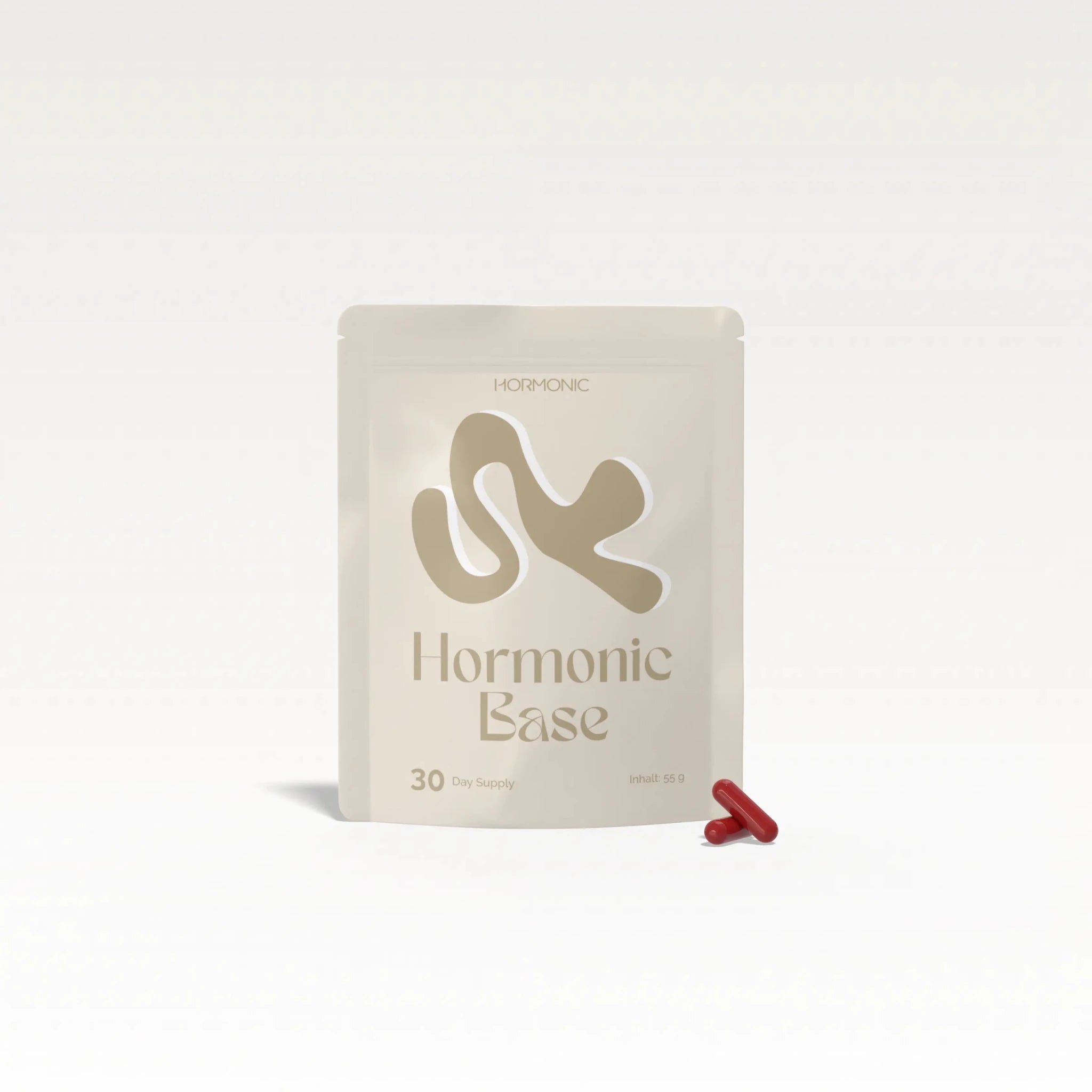
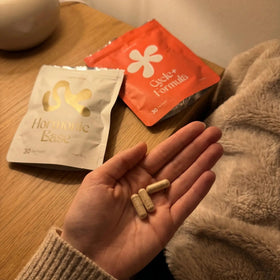
This is precisely where our formulas come in. Cycle+combines myo- and D-chiro-inositol with zinc, while Hormonic Basecovers broad basic needs with folate, vitamin B6, vitamin D, and coenzyme Q10. We have compiled the most important nutrients for those trying to conceive in our overview on nutrients for fertility.

Cycle+ for your cycle and ovulation

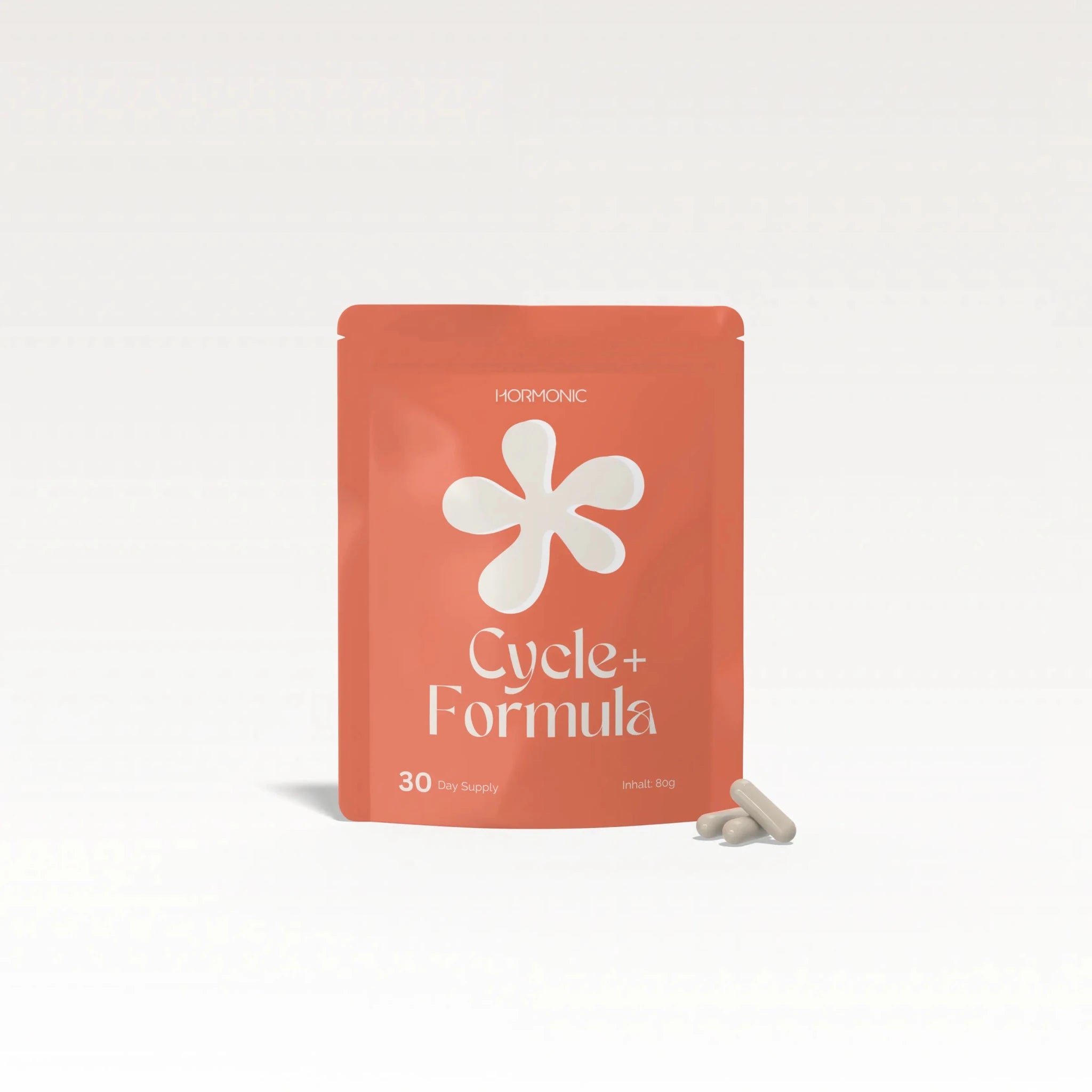
Cycle+ combines myo- and D-chiro-inositol with 6 other active ingredients, such as zinc, which, according to the EFSA, contributes to normal fertility and reproduction. In studies, inositol is associated with more regular ovulation and better insulin sensitivity, two factors that matter when you are trying to conceive.
Start now

What is overestimated in Fertility Maxxing

Not everything circulating under Fertility Maxxing stands up to scientific scrutiny. For some of the most popular practices, there is simply no reliable study basis, and a few can even backfire.

Seed Cycling. The idea of eating flax and pumpkin seeds in the first half of the cycle and sesame and sunflower seeds in the second half comes from naturopathy. Controlled studies showing an effect on hormones or fertility are not yet available. Eating more seeds doesn't hurt, but the claimed cycle effect is not proven.

Mega Supplement Stacks. "More is more" is not true for micronutrients. For vitamin B6, the upper limit derived by the EFSA is 12 mg per day, for selenium 255 µg, and consistently high doses can do more harm than good. A well-thought-out foundation beats a haphazardly assembled stack.

Red Light and "Biohacks." For red light on the ovaries or similar gadgets, there is only laboratory and animal data so far. Whether this can be transferred to humans is unclear, and it is not enough for a recommendation.

The male extremes. On the sperm-maxxing side of the trend, advice such as raw garlic, ice water baths, or tanning the testicles circulates. Experts warn that some of this may actually worsen sperm quality. The basic idea of taking care of reproductive health early is correct, but the implementation is often between ineffective and absurd.

What you can do yourself

If you want to approach Fertility Maxxing in an evidence-based way, you don't need 20 products, but a few consistent basics. Since an egg matures for about 90 days, it's worth starting about three months before the planned attempt.

  • Get to know your cycle and determine your fertile days; this noticeably improves timing.
  • Cover the proven nutrients, especially folate, even before conception.
  • Pay attention to sleep, regular exercise, a stable weight, and abstinence from smoking.
  • Reduce unnecessary contact with plasticizers and other endocrine disruptors in everyday life.

Especially the last point is one of the few "trend tips" with real plausibility: observational data connect certain plasticizers with poorer reproductive health. We explain why this is the case in our article on Plasticizers and Fertility. And if you are unsure what makes sense in your case, a brief conversation with a doctoris worth more than the next viral video. You can also find a deeper overview of what naturally helps fertility in our Guide to Natural Fertility.

The Power Duo for Hormones, Cycle & Ovulation

Hormonic Base provides the 16 essential active ingredients that the female body needs daily, such as vitamins D and B, selenium, and NAC. Cycle+ supplements cycle and ovulation-relevant active ingredients. Doctor-developed, made in Austria.

Secure your price advantage

Conclusion

At its core, Fertility Maxxing is good news: more and more people are taking early and active steps to care for their reproductive health. The trend only becomes problematic when wellness promises become more important than evidence, and a new "hack" floods your feed every week.

If you focus on what's proven – a solid nutritional foundation, cycle awareness, sleep, and a conscious approach to plasticizers – you're doing most things right, without having to follow every viral tip. For specific questions about your desire to have children, consulting a doctor is the most reliable step.

Frequent Questions on Fertility Maxxing

What is Fertility Maxxing?

Fertility maxxing describes a social media trend where people aim to optimize their fertility as comprehensively as possible, from diet and supplements to cycle tracking. The term belongs to the "maxxing" wave of self-optimization. The core idea is sound, but not every viral recommendation is backed by studies.

Which supplements have the best evidence for fertility?

According to a 2024 umbrella review, the best-supported supplements are folate, vitamin D, coenzyme Q10, inositol, and omega-3 fatty acids. Folate is recommended even before conception. It's best to discuss with your doctor which of these are right for you.

Bringt Seed Cycling für die Fruchtbarkeit etwas?
Für Seed Cycling, also das gezielte Essen bestimmter Samen je nach Zyklushälfte, gibt es bislang keine belastbaren Studien, die einen Effekt auf Hormone oder Fruchtbarkeit belegen. Schaden tut es nicht, mehr Samen zu essen, aber der versprochene Zyklus-Effekt ist nicht nachgewiesen.
Wie lange vorher sollte ich mit Fertility Maxxing anfangen?
Weil eine Eizelle rund 90 Tage bis zur vollständigen Reifung braucht, empfehlen Fachleute, etwa drei Monate vor dem geplanten Versuch zu beginnen. So profitiert die Eizellreifung möglichst lange von einer guten Nährstoff- und Lebensstilbasis.

Scientific Sources

  • Pandey C. et al. (2024). The Role of Nutrient Supplements in Female Infertility: An Umbrella Review and Hierarchical Evidence Synthesis. Nutrients. doi:10.3390/nu17010057
  • Greff D. et al. (2023). Inositol is an effective and safe treatment in polycystic ovary syndrome: a systematic review and meta-analysis. Reproductive Biology and Endocrinology. doi:10.1186/s12958-023-01055-z
  • Fitz V. et al. (2024). Inositol for Polycystic Ovary Syndrome: A Systematic Review and Meta-analysis to Inform the 2023 Update of the International Evidence-based PCOS Guidelines. Journal of Clinical Endocrinology & Metabolism. doi:10.1210/clinem/dgad762
  • Hu K.-L. et al. (2023). Effect of coenzyme Q10 supplementation on oocyte quality and pregnancy outcomes in women undergoing IVF. Frontiers in Endocrinology. doi:10.3389/fendo.2023.1102980
  • EFSA Panel on Dietetic Products, Nutrition and Allergies (NDA). Scientific Opinions on health claims (Zinc: normal fertility and reproduction; Folate: normal cell division and blood formation; Vitamin B6: regulation of hormonal activity). EFSA Journal.

About the Author

Lee Paulina Pape

Lee Paulina Pape

Founder · MSc Psychology · Hormonic

Lee is a psychologist (MSc) and co-founder of Hormonic. As CEO, she makes women's hormonal health understandable and accessible.

Note: This article is based on current guidelines and scientific work (as of 2026). It is for informational purposes only and does not replace medical advice, diagnosis, or treatment.

Share

You might also be interested in this.

Eizellqualität verbessern: Was wirklich funktioniert - Hormonic
FruchtbarkeitOct 24, 20248 min read
Improve Egg Quality: What Really Works

The quality of your eggs is one of the most important factors for fertility and directly impacts the chances of a successful pregnancy. Women are born with a limited egg reserve – around 1 to 2 mil...

Natürlich die Fruchtbarkeit steigern - Hormonic
FruchtbarkeitSep 15, 20258 min read
Increase fertility naturally

15-25% of Western couples are affected by fertility problems. Here's what really helps and which natural measures can improve fertility.
Kinderwunsch? Diese Nährstoffe machen laut Studien den Unterschied - Hormonic
FruchtbarkeitOct 21, 20249 min read
Fertility Boost: How Nutrition and Supplements Can Improve the Chances of Getting Pregnant

Which nutrients really help with fertility? We provide an evidence-based classification of folic acid, CoQ10, myo-inositol, omega-3, and diet, for women and men.