A young woman recently sat in my consultation room and said a sentence that I hear constantly: "But I don't have any cysts, why PCOS?" A valid question. And precisely this decades-long confusion has now finally come to an end. An end that I, personally, have also been hoping for for years. PCOS has a new name. Whoever seeks the reason for the new name for PCOS will find the answer in a word that the old name completely omitted: metabolism.
On May 12, 2026, an international consensus, published in The Lancet journal and supported by over 50 organizations, stipulated: PCOS will become PMOS. More than 170 million women worldwide are affected, approximately one in eight. In this article, I will explain to you calmly and without jargon what is changing, what remains, and why the metabolism focus makes so much sense.
New name for PCOS: PCOS becomes PMOS
The new name for PCOS is PMOS, Polyendocrine Metabolic Ovarian Syndrome. The renaming is the result of a 14-year international process with over 22,000 feedback responses from affected individuals, led by endocrinologist Prof. Helena Teede. The goal was a name that scientifically accurately describes the condition, avoids stigmatization, and is easy to communicate.
The core in one sentence: away from the misunderstanding "cysts on the ovaries," towards what truly constitutes the condition, an interplay of several hormone systems with a clear metabolic component. The following overview shows the difference at a glance.
Aspect
Old: PCOS
New: PMOS
What the name emphasizes
Cysts on the ovaries
Hormone systems and metabolism
Full name
Polycystic Ovarian Syndrome
Polyendocrine Metabolic Ovarian Syndrome
Diagnostic criteria
Rotterdam criteria
Rotterdam criteria (unchanged)
Long-term focus
primarily fertility
plus insulin, diabetes and cardiovascular risk
Why was PCOS renamed?
PCOS was renamed because the old name failed to capture the essence of the condition. "Polycystic Ovary Syndrome" suggests that it is primarily about cysts on the ovaries. This is precisely not true. A supplementary study by the consensus team showed that affected individuals do not have a true increase in pathological ovarian cysts. What is visible on ultrasound are numerous small, immature follicles, not cysts in the true sense.
Thus, the name has created a false impression for decades. Women were led to believe that their problem lay solely in their ovaries, while the hormonal and, above all, the metabolicdimension remained under the radar. The consortium led by Prof. Helena Teede describes exactly this as a consequence: delayed diagnoses, little awareness, and often inadequate care. After 14 years of work and over 22,000 feedback responses from affected individuals, the decision was therefore made for a name that reflects the entire condition.
What does PMOS mean: polyendocrine, metabolic, ovarian?
PMOS stands for Polyendocrine Metabolic Ovarian Syndrome. Each part of the name describes a level of the condition that the old name concealed.
Polyendocrinemeans: several hormone-producing systems are involved, not just the ovaries. Androgens (often called "male" hormones), insulin, the pituitary gland, and partly the thyroid gland interact. This explains why the symptoms vary so widely, from menstrual irregularities to skin changes to mood swings.
Metabolicis the actual new focus. In many affected individuals, sugar metabolism works less efficiently, and body cells respond less well to insulin. This insulin resistance is now considered one of the central drivers of the condition and increases the long-term risk of type 2 diabetes and cardiovascular diseases. This is precisely what the new name aims to highlight.
Ovarianremains in the name because the ovaries and the menstrual cycle are still affected. However, they are only part of the picture, no longer the sole focus.
Does the new name change the diagnosis or treatment?
No. The new name does not initially change the medical procedure. Your doctor will continue to diagnose based on the so-called Rotterdam criteria: two out of three characteristics must be present, i.e., elevated androgens, an irregular or absent menstrual cycle, or the typical image of many small follicles on ultrasound. These criteria remain valid.
Treatment also continues to follow the same building blocks as before, tailored to your symptoms and your desire to have children. The difference lies in the perspective: metabolism is brought more into focus during diagnosis and follow-up. The complete transition to the new name is planned as a three-year transitional phase and is expected to be completed with the update of the international guideline in 2028. In Germany, several professional societies, including the German Diabetes Association, have welcomed the renaming in a joint statement.
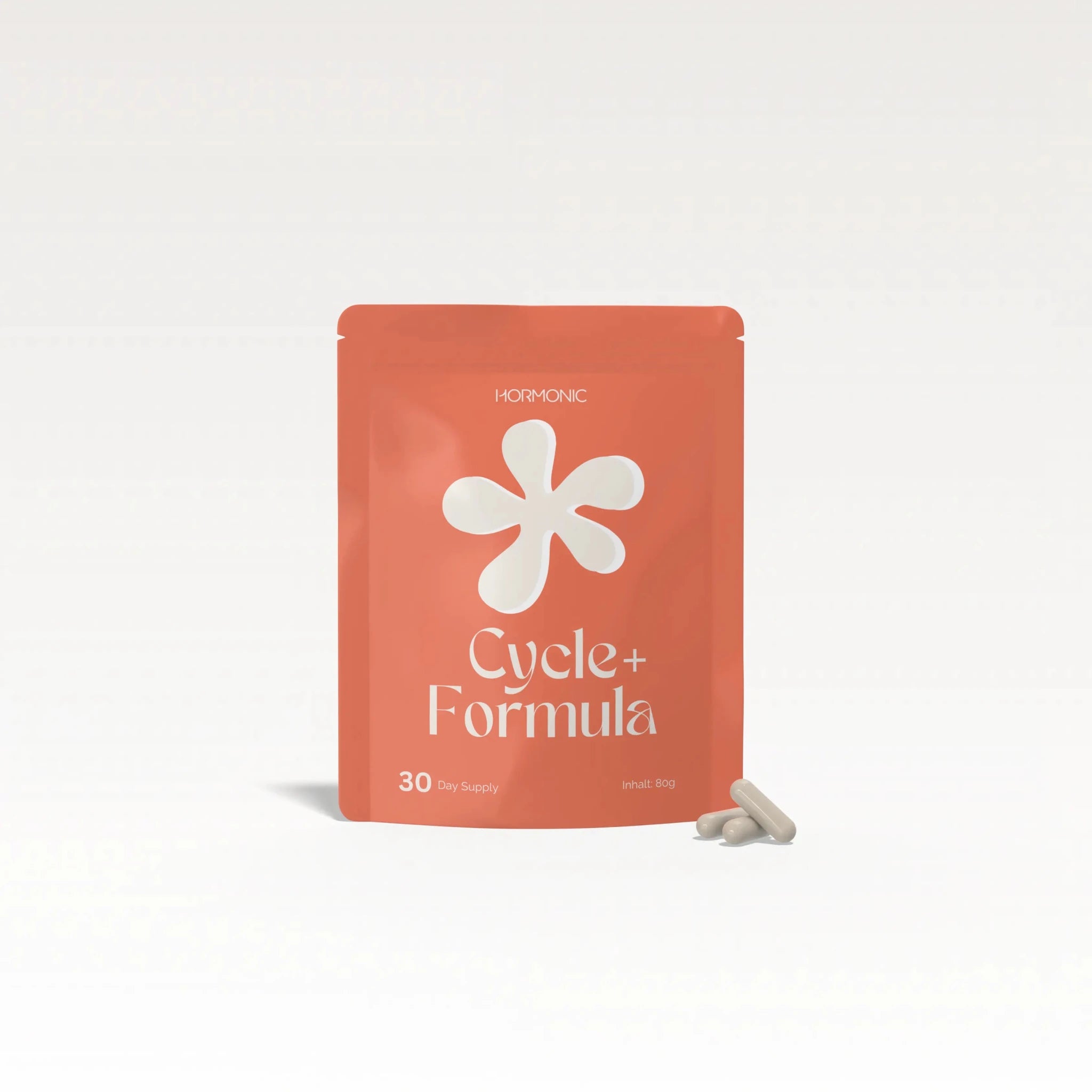
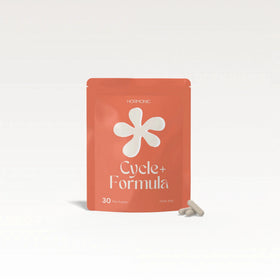
The new name focuses on metabolism, and that's precisely where Cycle+ comes in. The formula combines Myo- and D-Chiro-Inositol with zinc, which contributes to normal fertility and reproduction, as well as selected polyphenols. To support your cycle, without any therapeutic claims.
Metabolic focus is the most important message of the renaming: PMOS is not just a cycle issue, but also a metabolic issue. Many affected individuals have insulin resistance. Simply put, this means the body has to release more and more insulin to keep blood sugar stable. This high insulin level, in turn, stimulates the ovaries to produce more androgens, which can affect the cycle and skin.
This explains why so much of the discussion around PMOS revolves around blood sugar, diet, and exercise. A more stable sugar metabolism can help alleviate this cycle. We have described in detail what this looks like in everyday life with diet and weight in Losing Weight with PCOS: What Really Helps. Our article on Naturally Lowering Testosterone in PCOSexplains why elevated androgens occur and what you can do about it.
Nutrients related to metabolism in PMOS
Some well-researched micronutrients also target this metabolic level. Important note: dietary supplements do not replace medical treatment and do not cure PMOS. However, they can support metabolism and the cycle. Here are the active ingredients with the most interesting data, honestly assessed.
Myo-inositol and D-chiro-inositol. These two endogenous sugar alcohols are the best-researched for PMOS. They act as messengers in the insulin signaling pathway. In a network meta-analysis of over 1,000 women, the combination of myo- and D-chiro-inositol was associated with lower insulin resistance (HOMA-IR) and more regular menstruation, comparable to metformin. The systematic review that helped shape the 2023 international PCOS guideline indicates a benefit for ovulation and individual metabolic parameters, but assesses the overall evidence as still limited. A fair assessment: promising, but not a miracle cure.
Zinc. According to the EFSA, zinc contributes to normal fertility and reproduction, as well as to the maintenance of normal testosterone levels in the blood, both of which are relevant issues in PMOS. In addition, zinc protects cells from oxidative stress. These are approved claims for the nutrient, not promises of a cure for the condition.
These active ingredients, along with carefully selected polyphenols, are found in our Cycle+ Formula, which is precisely tailored to the cycle and metabolic level. We delve into which inositol form and ratio are useful in our Guide to Inositol in PCOS.
What the new name means for you as an affected person
For you, nothing concrete changes in everyday life with PMOS for now: your diagnosis remains valid, and your treatment continues. What may change is the understanding you encounter. The new name clarifies that your symptoms are more than "a few cysts" and that metabolism is part of it. This can help you feel taken more seriously and focus more on long-term health.
In practical terms, this primarily means keeping an eye on your metabolism: regular exercise, a blood sugar-friendly diet, sufficient sleep, and, if medically recommended, monitoring blood sugar and blood lipid levels. If you are unsure what is appropriate for your type, you don't have to figure it out alone.
PCOS becomes PMOS, Polycystic Metabolic Ovarian Syndrome. The new name corrects a decades-old error: it's not primarily about cysts, but about the interplay of several hormone systems with a strong metabolic component. Diagnosis and treatment initially remain unchanged, and the Rotterdam criteria still apply. The real gain lies in the perspective: those who take PMOS seriously consider the menstrual cycle and metabolism together and align long-term health accordingly.
Frequent Questions about PMOS and the New PCOS Name
Why was PCOS renamed?
The old name "Polycystic Ovary Syndrome" emphasized ovarian cysts. However, a accompanying study by the international consensus showed that there is no real increase in pathological ovarian cysts. The new name PMOS instead focuses on the hormonal and metabolic nature of the disease and aims to reduce misdiagnoses.
Is PCOS now called PMOS?
Yes. On May 12, 2026, an international consensus, published in The Lancet and supported by over 50 professional organizations, stipulated that PCOS would be renamed PMOS. The full transition will take place over a three-year transitional period until the guideline update in 2028. Both terms refer to the same condition.
Ändert sich durch den neuen Namen die Behandlung?
Nein. Die Diagnose folgt weiter den Rotterdam-Kriterien (zwei von drei Merkmalen: erhöhte Androgene, unregelmäßiger Zyklus, viele kleine Follikel im Ultraschall) und die Behandlung richtet sich wie bisher nach Deinen Beschwerden. Neu ist vor allem, dass der Stoffwechsel stärker mitgedacht wird.
Habe ich mit PMOS Zysten an den Eierstöcken?
Meist nicht im eigentlichen Sinn. Was im Ultraschall sichtbar wird, sind viele kleine, unreife Follikel, keine echten Zysten. Genau dieser Irrtum steckte im alten Namen und war ein wichtiger Grund für die Umbenennung in PMOS.
Scientific Sources
Teede HJ, Piltonen T, Dokras A, et al. (2026). Polyendocrine metabolic ovarian syndrome, the new name for polycystic ovary syndrome: a multistep global consensus process. The Lancet. doi:10.1016/S0140-6736(26)00717-8
Endocrine Society (2026). Polyendocrine Metabolic Ovarian Syndrome: New name to improve diagnosis and care of condition affecting 170 million women worldwide. Press release, May 12, 2026.
German Diabetes Association, DGE, DAG, DGGG (2026). Joint Statement on the International Renaming of PCOS to PMOS.
Teede HJ, Tay CT, Laven J, et al. (2023). Recommendations from the 2023 international evidence-based guideline for the assessment and management of polycystic ovary syndrome. J Clin Endocrinol Metab / Fertil Steril. doi:10.1210/clinem/dgad463
Fitz V, Graca S, Mahalingaiah S, et al. (2024). Inositol for Polycystic Ovary Syndrome: A Systematic Review and Meta-analysis to Inform the 2023 Update of the International Evidence-based PCOS Guidelines. J Clin Endocrinol Metab, 109(6):1630-1642. doi:10.1210/clinem/dgad762
Facchinetti F, Orru B, Grandi G, Unfer V (2019). Short-term effects of metformin and myo-inositol in women with PCOS: a meta-analysis of RCTs. Gynecol Endocrinol. doi:10.1080/09513590.2018.1540578
About the Author
Lisa Maria Emmer
Founder · Physician · Hormonic
Lisa Maria Emmer is co-founder and medical director at Hormonic. She supports women with hormonal problems every day and specializes in cycle health, PCOS, and menopause.
Note: This article is based on current guidelines and scientific work (as of 2026). It is for informational purposes only and does not replace medical advice, diagnosis, or treatment.