


Hormonic Blog
Your go-to source for well-founded insights into hormones and health. Here you will find scientific publications, expert knowledge, and practical tips that will give you a better understanding of your hormonal processes.
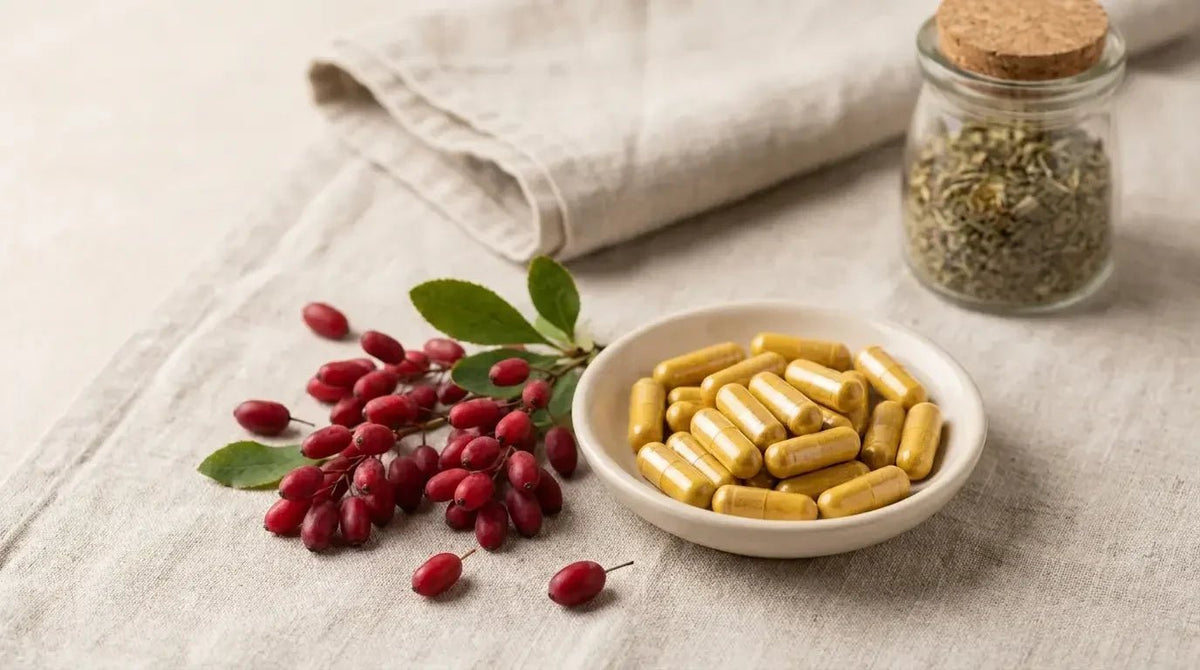
Berberine for PCOS: What studies on insulin, androgens, and comparisons with metformin show, plus the important limitations regarding bioavailability, interactions, and pregnancy.
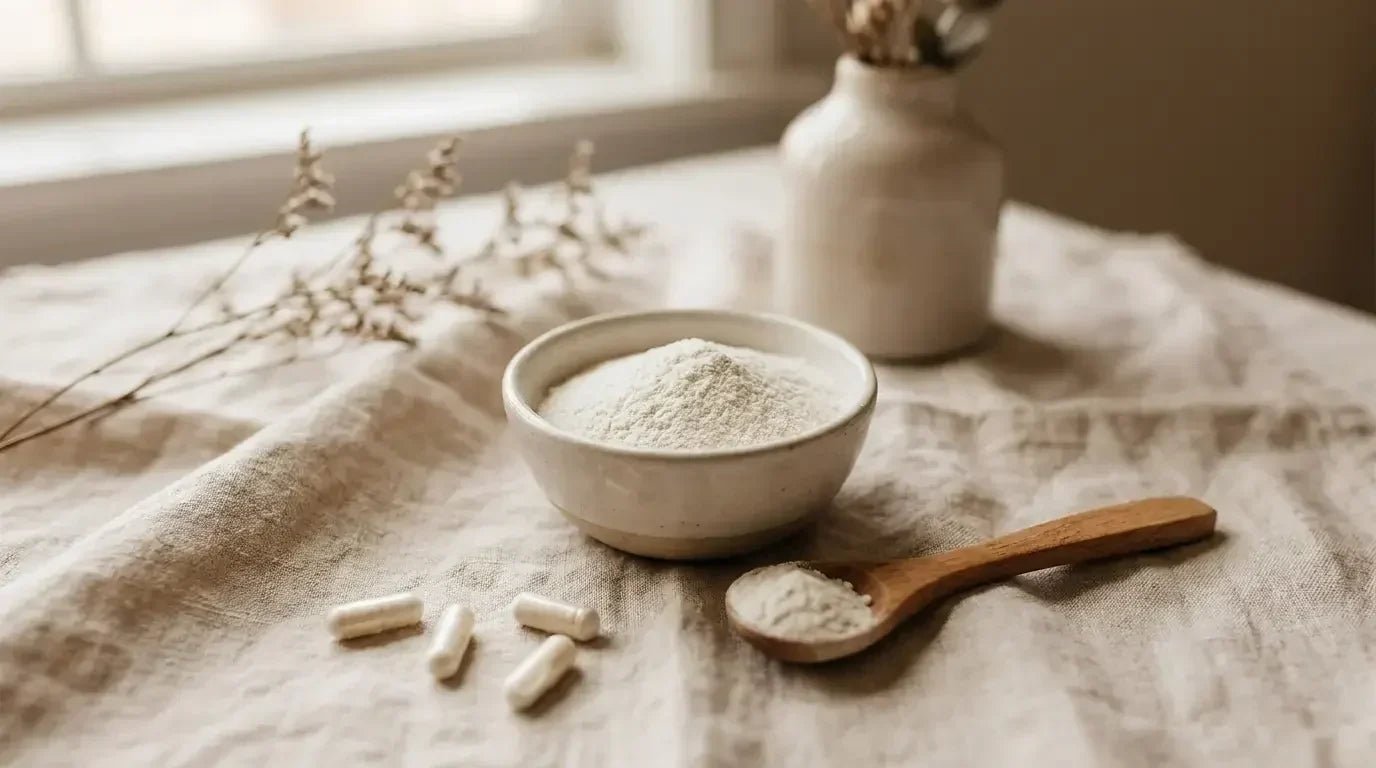
Myo-Inositol or D-Chiro-Inositol for PCOS? An honest assessment of what studies show about the 40:1 ratio, dosage, and the D-Chiro paradox.
Which supplements for PCOS are genuinely researched? Inositol, Berberine, NAC & Co. categorized according to scientific studies, honestly and without promises of a cure.

Natural approaches to hirsutism being investigated in research: diet, micronutrients, lifestyle, and their limitations. Informative, not diagnostic.
What are the benefits of N-acetylcysteine (NAC) for PCOS and fertility? What studies show about ovulation, insulin, and egg quality, and how to honestly evaluate NAC.

Intermittent fasting can improve insulin resistance and lower active testosterone in PCOS. What a recent Nature Medicine study shows and who the protocol is suitable for.

How does inositol work for PCOS, what do studies show regarding ovulation, testosterone, and insulin resistance, and what is a sensible dosage? The evidence-based overview.

Elevated androgens manifest as acne, hair loss, and menstrual irregularities. We explore the underlying biology and evidence-based effective interventions.

PCOS, now also known as PMOS, affects 8 to 13 percent of women of reproductive age. This guide explains causes, symptoms, diagnosis, and what the evidence says about lifestyle, inositol, and micron...